



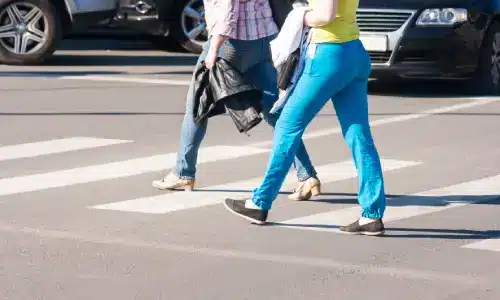
 Ohio is a bustling state with both historic charm and modern urban development, but with increased traffic comes increased risk for pedestrians. Ohio pedestrian accident lawyer cases are among the most severe and life-altering personal injury claims because pedestrians have little to no protection when struck by a vehicle. At the CEO Lawyer Personal Injury Law Firm, we have witnessed firsthand how these accidents can devastate victims and their families, leading to serious injuries, financial hardships, and emotional distress.
Whether crossing busy intersections in downtown Columbus, navigating residential areas in Cleveland, or walking near shopping centers and schools in Cincinnati, pedestrians face daily hazards due to distracted drivers, reckless motorists, and poor roadway conditions. At CEO Lawyer Personal Injury Law Firm, we are deeply committed to protecting the rights of pedestrians in Ohio. We understand the dangers at high-traffic crosswalks, the risks near school zones, and the challenges faced by walkers in congested city streets.
What Can Our Pedestrian Accident Legal Team Serving Ohio Do for You?
Walking in Ohio should never feel like a dangerous gamble, yet pedestrian accidents continue to rise. Whether in high-traffic areas like Rivers Avenue or at crosswalks near Dorchester Road, pedestrians face risks due to distracted drivers and poorly designed intersections. At CEO Lawyer Personal Injury Law Firm, we fight for injured pedestrians, ensuring they receive the legal representation and compensation they deserve.
Our law firm is committed to providing specialized representation for victims of pedestrian accidents in Ohio. With a deep understanding of local traffic challenges, from the busy crossings near Dorchester Road to the bustling school zones around Charleston High, we are here to advocate for your rights and secure the compensation you deserve.
Holding Negligent Drivers Accountable
Many pedestrian accidents occur due to driver negligence, often leaving victims with severe injuries and financial burdens. Proving liability is crucial in these cases.
- Distracted Driving: Texting, adjusting GPS, or eating behind the wheel can lead to devastating collisions.
- Failure to Yield: Drivers ignoring crosswalks and right-of-way rules put pedestrians in harm’s way.
We gather critical evidence, including surveillance footage and eyewitness accounts, to establish fault.
Comprehensive Investigation and Evidence Gathering
Every pedestrian accident case begins with a meticulous investigation. Our team leaves no stone unturned, ensuring a robust foundation for your claim.
We:
- Secure video footage from local businesses near accident sites.
- Speak with witnesses familiar with the area and the circumstances of the incident.
- Collaborate with traffic analysts to understand contributing factors.
- Examine police reports and utilize accident reconstruction data.
- Collect detailed medical records from Ohio healthcare providers like Trident Medical Center and MUSC Health.
This evidence-driven approach strengthens your case and ensures all responsible parties are held accountable.
Navigating Insurance Claims and Legal Complexities
Our legal team providing services in Ohio is adept at handling insurance adjusters who often try to minimize or deny claims. We:
- Present compelling evidence to demonstrate fault and damages.
- Counter insurance companies’ attempts to assign disproportionate blame.
- Pursue maximum compensation for medical expenses, lost wages, pain and suffering, and other damages.
With our legal team on your side, you can focus on recovery while we navigate the complexities of your case and fight for justice.
The Impact of Pedestrian Accidents
Pedestrian accident victims often suffer more than just physical injuries—they experience emotional trauma and financial stress as well. Our firm ensures that every aspect of their loss is accounted for in their claim.
- Medical Expenses: Emergency treatment, surgeries, and rehabilitation costs can quickly add up.
- Emotional and Psychological Trauma: Many victims develop anxiety or PTSD after a serious accident.
Our legal team fights for maximum compensation to cover both immediate and long-term damages.
Why Local Knowledge Matters in Pedestrian Injury Claims
Understanding Ohio’s traffic patterns and accident hotspots gives our legal team an edge in handling pedestrian injury cases. We use this knowledge to build stronger claims for our clients.
- High-Risk Areas: Locations like Sam Rittenberg Boulevard and South Windermere are known for pedestrian incidents.
- State and Local Regulations: We navigate Ohio’s pedestrian safety laws to strengthen our clients’ claims.
By leveraging local insights, we ensure the best possible outcomes for victims.
Our Ohio Pedestrian Accident Law Firm’s Commitment to Protecting Pedestrian Rights
At the CEO Lawyer Personal Injury Law Firm, we are dedicated to advocating for pedestrian accident victims and holding negligent parties accountable. Our legal team works tirelessly to secure the compensation clients need to recover and move forward.
- Comprehensive Legal Representation: From case investigations to settlement negotiations, we handle every aspect of the claim.
- Personalized Support: We understand the challenges victims face and provide compassionate legal guidance throughout the process.
Understanding Pedestrian Safety and Laws in Ohio
Pedestrians in Ohio have specific legal protections to ensure their safety on busy streets and intersections. Whether walking near commercial districts or crossing at school zones, knowing the rules that govern pedestrian rights can help prevent accidents and legal disputes.
At the CEO Lawyer Personal Injury Law Firm, we help victims understand their rights and navigate the legal complexities of pedestrian accident claims.
Crosswalk and Intersection Rules
Ohio law requires vehicles to yield to pedestrians in marked crosswalks and controlled intersections. This rule is especially important at high-traffic crossings like Dorchester Road and Ashley Phosphate, where pedestrian movement is frequent.
- Driver Responsibility: Motorists must stop and allow pedestrians to cross safely at designated crosswalks.
- Pedestrian Obligation: Walkers should not suddenly step into the path of oncoming vehicles when there is insufficient stopping time.
Understanding these shared responsibilities can reduce accidents and help determine fault in case of a collision.
Pedestrian Safety Near Sidewalks and Driveways
Sidewalks are designated pedestrian zones, and vehicles must yield when exiting driveways or alleys. Locations like Rivers Avenue and Savannah Highway see heavy foot traffic, making these rules critical for safety.
- Yielding at Exits: Drivers must look for pedestrians before pulling onto a roadway.
- Sidewalk Maintenance: Property owners are responsible for keeping sidewalks safe and free of hazards.
Pedestrians should remain aware of their surroundings, particularly in high-traffic business areas.
Rules for Unmarked Crossings and Mid-Block Walking
Jaywalking is not outright illegal, but pedestrians crossing outside of marked areas must yield to vehicle traffic. This is especially relevant on high-speed roads like Sam Rittenberg Boulevard.
- Legal Responsibility: Pedestrians crossing mid-block must ensure no oncoming traffic before proceeding.
- Accident Liability: In certain cases, pedestrians may share fault if they cross unlawfully and are struck.
While not illegal, jaywalking increases accident risk, making safe crossing choices vital for pedestrians.
School Zones and Child Pedestrian Protections
Strict regulations apply to school zones to protect children traveling on foot. Areas near Ohio High School and other educational institutions enforce lower speed limits and crossing guard supervision.
- Mandatory Speed Reduction: Drivers must slow down when passing through school zones.
- Compliance with Crossing Guards: Motorists must follow all instructions given by designated traffic control personnel.
Fines for violating school zone laws can be severe, reflecting the importance of child pedestrian safety.
Pedestrian Visibility and Nighttime Safety
While Ohio does not require reflective clothing for pedestrians at night, wearing bright or illuminated accessories is highly recommended, especially in poorly lit areas of Ohio.
- Low-Light Hazards: Accidents increase after sunset due to decreased driver visibility.
- Recommended Safety Measures: Pedestrians should use flashlights or wear reflective clothing to enhance visibility.
Simple precautions can significantly reduce the risk of nighttime pedestrian accidents.
Navigating Construction Zones as a Pedestrian
Ohio’s continued development has led to more construction areas that affect pedestrian pathways. Contractors are legally required to create safe, alternative routes when sidewalks are obstructed.
- Temporary Pedestrian Routes: Clearly marked paths must be provided around work zones.
- Liability for Unsafe Conditions: Injuries caused by poor construction site management may result in legal claims.
Pedestrians should always follow designated detours to avoid unsafe areas.
Protections for Disabled Pedestrians
Individuals with disabilities receive additional protections under state and federal laws. These include priority crossing rights and driver obligations to yield when necessary.
- Blind Pedestrian Right-of-Way: Drivers must stop for individuals using white canes or service animals.
- Accessible Crosswalks: Pedestrian signals must be designed to accommodate those with mobility challenges.
Failure to yield to disabled pedestrians can lead to legal penalties and liability claims.
Ohio-Specific Pedestrian Ordinance
Beyond state laws, Ohio has local ordinances that regulate pedestrian behavior in certain districts. These rules help maintain safety in tourist-heavy and commercial areas.
- Street Performer Regulations: Restrictions apply to public entertainment in busy pedestrian zones.
- Sidewalk Dining Limitations: Businesses must maintain a clear walking path for pedestrian traffic.
Understanding these local rules is key to ensuring pedestrian rights are upheld throughout the city.
Legal Reporting of Pedestrian Accidents
Ohio law requires all pedestrian accidents involving injuries or fatalities to be reported. Prompt reporting ensures thorough investigations and supports any future legal claims.
- Police Documentation: Filing an official accident report creates an essential record for legal purposes.
- Insurance and Legal Claims: Proper reporting can strengthen compensation claims for medical expenses and lost wages.
For legal guidance after a pedestrian accident, consulting an attorney is highly recommended.
Ohio Pedestrian Accidents FAQ
Pedestrian accidents often leave victims with serious injuries, unexpected medical bills, and legal uncertainties. Understanding your rights and the claims process is essential for securing fair compensation.
What Should I Do If I Am Hit by a Car as a Pedestrian?
Taking the right steps after a pedestrian accident can protect your health and strengthen your legal claim. The moments immediately following the accident are crucial for gathering evidence.
- Seek Medical Attention: Even if injuries seem minor, it’s important to get checked by a doctor. Some injuries, like concussions, may not show immediate symptoms.
- Document the Accident Scene: Take photos, collect witness information, and obtain the driver’s contact and insurance details.
Reporting the accident to the police and filing an official report is also essential for building a strong case.
Can a Pedestrian Be at Fault for an Accident?
Yes, pedestrians can be found partially or fully at fault for an accident, depending on their actions. Ohio follows a comparative negligence rule, which means a pedestrian’s compensation can be reduced if they share responsibility for the accident.
- Jaywalking Risks: Crossing outside designated crosswalks may place some liability on the pedestrian.
- Ignoring Traffic Signals: Walking against a red light or crossing unsafely at intersections can contribute to fault.
If a pedestrian is found more than 50% responsible, they may be barred from recovering damages in Ohio.
How Long Do I Have to File a Pedestrian Accident Claim in Ohio?
Ohio law imposes a two-year statute of limitations for personal injury claims, including pedestrian accidents. Missing this deadline can result in losing your right to compensation.
- Claims Against Private Individuals: You typically have two years from the date of the accident to file a lawsuit.
- Claims Involving Government Entities: If your accident involved a city bus or poorly maintained crosswalk, shorter deadlines and additional procedures may apply.
Consulting an attorney as soon as possible ensures your case is filed within the required timeframe.
What If the Driver Who Hit Me Doesn’t Have Insurance?
If the at-fault driver is uninsured or underinsured, pedestrian accident victims still have options for compensation. Ohio law provides alternative avenues to recover damages.
- Uninsured Motorist Coverage (UM): If you have UM coverage under your own auto insurance policy, it may cover your medical expenses.
- Personal Injury Protection (PIP): Some health insurance plans and PIP coverage can help with medical costs and lost wages.
An experienced attorney can explore all available compensation sources and ensure you receive the maximum possible recovery.
Do I Need a Lawyer for My Pedestrian Accident Claim?
While not legally required, hiring an attorney can significantly improve your chances of receiving full and fair compensation. Insurance companies often try to minimize payouts, making legal representation crucial.
- Negotiating with Insurers: Attorneys push back against low settlement offers and ensure all damages are accounted for.
- Building a Strong Case: A lawyer gathers evidence such as medical records, traffic camera footage, and witness statements.
Don’t Let a Pedestrian Accident Disrupt Your Life
A pedestrian injury can be a life-altering event, but you do not have to experience this type of event alone. At CEO Lawyer Personal Injury Law Firm, we can help guide you through any situation that arises as a result of a pedestrian accident. Contact us or call the phone number at 216-284-6686 to arrange a free consultation. We can be the voice that speaks for you during this difficult time.