



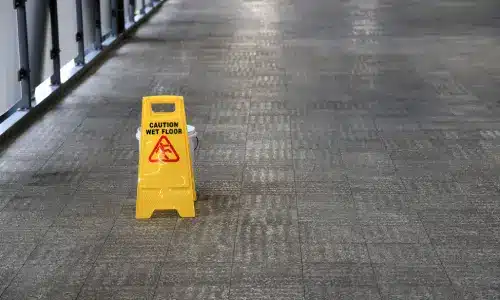
 A slip and fall lawyer is crucial for victims who suffer injuries due to hazardous conditions on public or private property. Slip and fall accidents happen more often than people realize, especially in high-traffic areas like shopping centers, office buildings, parks, and residential communities.
When property owners fail to maintain safe conditions, innocent people can suffer serious injuries that impact their health, finances, and quality of life. From wet floors in grocery stores to uneven sidewalks in suburban neighborhoods, slip-and-fall hazards can arise in many ways.
What may seem like a minor fall can lead to severe injuries, such as fractures, spinal cord damage, and traumatic brain injuries.
These injuries can prevent victims from working, performing everyday tasks, or enjoying life as they once did. The medical expenses, lost wages, and emotional distress that follow can create a financial burden that no one should have to bear alone.
At the CEO Lawyer Personal Injury Law Firm, we understand how devastating a slip-and-fall accident can be. Our experienced slip and fall lawyer serving Ohio is dedicated to fighting for the rights of injury victims and ensuring they receive the compensation they deserve
How a Slip and Fall Legal Team Serving Ohio Can Help You Stand Up to Negligent Property Owners
Slip and fall accidents can lead to severe injuries, emotional distress, and financial burdens. Navigating the complexities of a legal claim while recovering can be overwhelming, making it essential to have an experienced Ohio premises liability lawyer by your side.
At the CEO Lawyer Personal Injury Law Firm, we fight to ensure victims receive the compensation they deserve by holding negligent property owners accountable for hazardous conditions.
Understanding Premises Liability in Ohio
Property owners have a legal duty to maintain safe conditions for visitors. When they fail to do so, accidents can occur, leaving victims with significant injuries and financial hardships.
Legal Responsibilities of Property Owners
- Routine Inspections: Business owners and landlords must regularly inspect their premises to identify potential hazards.
- Timely Hazard Removal: Failing to address dangers like spills, uneven flooring, or poor lighting can result in serious injuries.
A property owner’s negligence must be proven with evidence, such as maintenance logs, surveillance footage, and witness testimony.
Common Causes of Slip and Fall Accidents
Slip and fall accidents occur when unsafe conditions on a property lead to injuries. In Ohio, where high-traffic areas like shopping malls, restaurants, and parks see large crowds, these hazards are even more concerning.
Examples of Dangerous Conditions
- Retail Stores: Spilled liquids, loose merchandise, or slippery entryways can create unsafe environments.
- Residential Properties: Landlords failing to repair broken staircases or handrails put tenants and guests at risk.
Property owners must take reasonable steps to prevent these hazards, or they can be held liable for resulting injuries.
Where Slip and Fall Accidents Commonly Happen
Slip and fall incidents can occur in a variety of public and private spaces, each presenting unique risks for unsuspecting visitors.
High-Risk Locations for Slip and Fall Accidents
- Parking Lots: Uneven pavement, potholes, or ice accumulation during colder months increase the likelihood of falls.
- Restaurants and Cafes: Spilled beverages, cluttered walkways, and unmarked hazards make these locations particularly dangerous.
Understanding where these accidents frequently occur can help victims identify the responsible party and take legal action.
How an Attorney Can Strengthen Your Claim
Successfully proving a slip and fall case requires gathering strong evidence and demonstrating the property owner’s negligence.
Steps to Building a Strong Case
- Collecting Evidence: Surveillance footage, accident reports, and witness statements are essential for proving liability.
- Negotiating with Insurers: Attorneys push back against low settlement offers to secure fair compensation for victims.
With legal representation, victims have a better chance of recovering damages for medical bills, lost wages, and pain and suffering.
Seeking Compensation After a Slip and Fall Injury
Victims of slip and fall accidents may face significant financial burdens, making it crucial to pursue compensation for all damages incurred.
Types of Recoverable Damages
- Medical Expenses: Coverage for emergency care, surgeries, rehabilitation, and future treatments.
- Lost Wages: Compensation for time missed from work due to injuries or long-term disabilities.
At the CEO Lawyer Personal Injury Law Firm, we are dedicated to ensuring victims receive the full compensation they deserve.
Types of Slip and Fall Cases We Handle
Slip and fall accidents can happen anywhere and often result in serious, preventable injuries. Property owners, business operators, and public entities all have a legal duty to maintain safe conditions for visitors. When that duty is ignored, innocent people get hurt — and we’re here to help them recover. Below are 9 specific types of slip and fall cases we handle across Ohio.
1. Grocery Store Slip and Falls
Grocery stores are one of the most common places for slip and fall injuries due to constant customer traffic and exposure to spilled food or liquids. These stores are required to clean up spills quickly and warn shoppers of any known hazards. When staff fail to act, customers can suffer serious harm. We hold negligent businesses accountable for unsafe store conditions.
Common hazards include:
- Spilled drinks or broken containers
- Wet floor with no warning signs
- Leaking refrigerators or coolers
- Food debris in walkways
2. Restaurant Slip and Falls
Slips and falls in restaurants are often caused by greasy kitchen floors, drink spills, or poor maintenance in dining areas. Restaurants owe a duty to keep their premises safe for both patrons and employees. Injuries can occur suddenly and lead to lasting pain and medical costs. Our legal team investigates and builds strong claims for restaurant-related accidents.
Where liability often arises:
- Grease or oil on floor surfaces
- Unattended drink or food spills
- Uneven tiles or damaged flooring
- Inadequate lighting near restrooms or exits
3. Apartment Complex Falls
Landlords are responsible for keeping shared areas of apartment buildings safe and well-maintained. Slips and falls in apartment complexes often happen on icy walkways, broken stairs, or in poorly lit hallways. Tenants and visitors have the right to move safely throughout the property. We represent those injured due to a property manager’s neglect.
Frequent causes of injury:
- Ice and snow have not been removed from walkways
- Broken handrails or loose steps
- Torn carpeting in hallways
- Dim or flickering lighting in stairwells
4. Retail Store Falls
Retailers must regularly inspect their stores for dangerous conditions and promptly fix or warn about them. Many slip and falls happen in clothing stores, malls, or big-box retailers where employees fail to clean up or secure hazards. These businesses are liable when negligence results in customer injury. We work to prove the hazard was known — or should have been known.
Retail store hazards often include:
- Wet floors near entrances during bad weather
- Items left in shopping aisles
- Curling rugs or mats
- Poor maintenance of floor surfaces
5. Hotel and Resort Falls
Guests expect a safe and clean environment when staying at hotels or resorts. Slip and fall injuries can occur in lobbies, elevators, bathrooms, pools, and stairwells. Many of these cases involve inadequate signage or failure to correct hazards known to staff. We help injured guests pursue compensation from negligent hospitality providers.
Typical hazards include:
- Slippery floors in bathrooms or spas
- Poolside surfaces without grip texture
- Wet lobbies with no warning signs
- Loose carpets or rugs in hallways
6. Falls on Public Property
Government agencies are responsible for maintaining sidewalks, parks, and public buildings. If a city or municipality fails to repair or warn about dangerous conditions, it can be held liable under Ohio law. These cases often involve special filing rules and time limits. We have the experience to pursue valid claims against public entities.
Common hazards on public property include:
- Uneven or cracked sidewalks
- Snow and ice were not cleared in time
- Wet floors in public restrooms or lobbies
- Missing or obscured warning signs
7. Workplace Slip and Falls
Slips and falls are among the most common work-related injuries in Ohio. These accidents often result from wet floors, cluttered walkways, or poor flooring maintenance. Workers may be entitled to both workers’ compensation and, in some cases, a personal injury claim. We help employees explore every legal option available.
Hazards found in the workplace:
- Spilled liquids or cleaning products
- Unmarked slippery surfaces
- Boxes or tools left in walkways
- Uneven flooring or loose mats
8. Nursing Home Slip and Falls
Elderly residents in nursing homes are especially vulnerable to fall injuries. Facilities have a legal duty to supervise residents and maintain safe, slip-resistant flooring. Falls in nursing homes can cause severe fractures or head trauma. We advocate for victims and families affected by neglect or understaffing.
Causes of nursing home falls include:
- Lack of staff supervision
- Wet floors without signage
- No handrails in hallways or bathrooms
- Poor lighting or flooring transitions
9. Construction Site Falls (Visitors or Bystanders)
Slip and fall hazards aren’t limited to workers; visitors and bystanders can also be injured at poorly secured construction sites. Property owners and contractors are required to control hazards that could harm the public. If you were injured near a site, you may have a claim against multiple parties. We investigate construction negligence thoroughly.
Slip and fall risks at construction sites include:
- Mud or debris on walkways
- Uncovered holes or trenches
- Unmarked elevation changes
- Lack of safety signage or barriers
Key Legal Principles Governing Slip and Fall Cases in Ohio
For slip and fall accident victims in Ohio, understanding premises liability laws is essential. These laws outline the responsibilities of property owners, define visitor classifications, and establish the rights of those injured on unsafe premises.
Slip and fall cases can be legally complex, requiring victims to prove negligence and overcome potential legal challenges. Below, we break down the key legal concepts that apply to local cases.
Understanding Comparative Negligence in Ohio
Ohio follows the comparative negligence rule, meaning a victim’s compensation can be reduced based on their level of fault.
How Comparative Negligence Affects Compensation
- Partial Fault: If the victim is less than 51% responsible for the accident, their compensation is reduced by their percentage of fault.
- Majority Fault: If the victim is 51% or more at fault, they cannot recover damages.
For example, if someone slips on a wet grocery store floor while texting, the court may assign them 20% fault, reducing their compensation by that amount.
Establishing Negligence in a Slip and Fall Case
To win a premises liability claim, victims must prove that the property owner’s negligence directly led to their injuries.
Key Elements of a Successful Claim
- Existence of a Hazardous Condition: Examples include uneven sidewalks, wet floors, or poor lighting.
- Property Owner’s Knowledge: Owners can be held liable if they knew, or should have known about the hazard and failed to fix it.
A slip and fall attorney can help gather crucial evidence, such as maintenance records, security footage, and witness testimony, to prove negligence.
Unique Factors Affecting Slip and Fall Cases in Ohio
Certain local conditions make slip and fall cases in Ohio more complex than in other areas.
Common Local Challenges in Slip and Fall Cases
- Historic Properties: Many older buildings have outdated infrastructure, and owners may argue that preservation laws prevent them from making safety modifications.
- Weather-Related Risks: Rain, ice, and high humidity contribute to slippery surfaces on sidewalks, patios, and shopping plazas.
For instance, if someone slips on a wet cobblestone pathway in a historic district, determining liability can be complicated if the area is publicly managed.
Time Limits for Filing a Slip and Fall Claim in Ohio
Victims must act quickly to file a claim within the statute of limitations to preserve their right to compensation.
Legal Deadlines for Filing a Claim
- Standard Timeframe: Victims typically have three years from the date of injury to file a lawsuit.
- Claims Against the Government: If the fall occurred on government property, stricter deadlines and additional legal steps may apply.
Missing the filing deadline can result in losing the right to seek compensation, regardless of the severity of injuries.
Proving Liability Against Property Owners
Ohio property owners have a legal duty to maintain safe premises for visitors. Failing to address hazards can result in liability for injuries that occur on their property.
Responsibilities of Property Owners
- Regular Inspections: Business owners and landlords must routinely check for hazards like loose flooring, leaks, or broken steps.
- Timely Hazard Removal: If a spill or obstruction is ignored, the owner may be held responsible for resulting injuries.
A slip-and-fall legal team can demonstrate that the property owner failed to take reasonable steps to prevent an accident.
Where Slip and Fall Accidents Commonly Happen
Slip and fall accidents can occur anywhere, but some locations present a higher risk for injuries.
High-Risk Locations for Slip and Fall Accidents
- Retail Stores and Malls: Spilled liquids, cluttered aisles, or unmarked hazards make shopping areas dangerous.
- Parking Lots and Sidewalks: Uneven pavement, potholes, or ice accumulation create hazardous walking conditions.
Whether the accident occurs in a crowded shopping center or a poorly maintained apartment complex, liability depends on proving that the property owner failed to address known hazards.
How a Legal Team Can Strengthen Your Slip and Fall Case
Successfully navigating a premises liability case requires gathering strong evidence and negotiating with insurance companies.
How a Lawyer Helps Slip and Fall Victims
- Thorough Investigations: Attorneys obtain security footage, maintenance logs, and expert testimony to support your claim.
- Negotiating Settlements: Lawyers push back against lowball insurance offers to secure fair compensation.
What a Slip and Fall Law Firm Serving Ohio Brings to Your Injury Case
When choosing a law firm to handle your slip-and-fall case, it’s essential to pick one that understands the nuances of Ohio law and the unique characteristics of Ohio.
Why Choose the CEO Lawyer Personal Injury Law Firm?
At the CEO Lawyer Personal Injury Law Firm, we combine legal expertise with a deep understanding of the Ohio community. Our team is committed to fighting for justice, whether through negotiation or courtroom advocacy.
With our local knowledge and personalized approach, we stand out as your trusted advocate.
Contact the CEO Lawyer Personal Injury Law Firm Today
If you’ve been injured in a slip-and-fall accident in Ohio, don’t wait to seek legal help. Our legal team will handle the complexities of your case while you focus on recovery.
Contact us or call us at 216-284-6686 today to schedule your free consultation. Let the CEO Lawyer Personal Injury Law Firm be your voice and your advocate in your time of need.