



 A brain injury can significantly impact your life, and you deserve compensation for your suffering. Hold the negligent party accountable by filing an injury claim with the help of a head trauma legal team serving Greenville at CEO Lawyer Personal Injury Law Firm.
Your brain controls almost every aspect of who you are, and an injury to it can be life-changing. If the brain damage you’ve suffered was caused by an accident that wasn’t your fault, you have options. You can file a claim or lawsuit against the person responsible for the accident. If you win, you’ll receive justice and monetary compensation.
No amount of money can undo what happened to you, but it can help you move beyond the accident and continue with your life. You are likely facing financial losses due to your brain injury, such as medical care costs. Additionally, there are other negative effects for which a monetary figure cannot fully compensate.
However, you are entitled to a settlement for what you’ve endured, and it may be the only justice you’ll receive. Get help with your injury claim by working with a brain injury legal team serving Greenville from our firm.
What Do Our Traumatic Brain Injury Attorney Serving Greenville Do?
A traumatic brain injury attorney helps individuals who have suffered a traumatic brain injury (TBI) obtain financial compensation for their losses. Legal issues arising from a brain injury can be complex, and your TBI attorney will need to determine the financial impact of the accident. Because brain injuries can disrupt a person’s life in numerous ways, each case is different and requires a tailored legal approach.
A personal injury legal team can assist you with various aspects of your case to obtain fair compensation and the justice you deserve. Here are some of the services a personal injury legal team serving Greenville specializing in brain injuries might provide if you or a loved one has experienced a TBI:
- Bring a lawsuit against all responsible parties.
- Carry out settlement negotiations.
- Consult with insurance companies and adjusters.
- Determine negligence.
- Gather all evidence and documentation to seek appropriate compensation.
- Obtain a favorable outcome.
- Perform due diligence to identify all responsible parties.
- Prepare your trial case (if necessary).
In some cases, traumatic brain injury attorneys may also file a claim for punitive damages, especially if the party responsible for the injury was grossly negligent or acted spitefully. However, typically, only economic and non-economic damages will be awarded.
Why Choose Our Traumatic Brain Injury Lawyer Serving Greenville to Represent Your Claims?
Choosing the right legal representation after experiencing a traumatic brain injury (TBI) is crucial to securing the justice and compensation you deserve.
Here’s why our traumatic brain injury legal team serving Greenville should be your first choice:
- Professional Legal Representation: Our legal team specializes in traumatic brain injury cases. With years of focused experience, we understand the intricacies of brain injury law and are committed to providing aggressive, knowledgeable legal representation. We ensure that negligent parties are held accountable and that you receive the maximum compensation for your injuries and suffering.
- Comprehensive Support Network: When you choose our firm, you gain access to more than just legal experience. We collaborate with a broad network of professionals, including medical experts, research specialists, and accident reconstruction experts, to build the strongest case possible. This multidisciplinary approach allows us to fully understand the specifics of your situation and tailor our strategy to your individual needs.
- Insider Insurance Knowledge: Navigating the complications of insurance claims is daunting, especially when recovering from a brain injury. Our legal team possesses insider knowledge of insurance law, which enables us to effectively negotiate with insurance companies and prevent them from undermining your claim. We fight to ensure that you receive every dollar you are owed.
- Personalized Attention: Every brain injury case is different and deserves personalized attention. Our dedicated legal team takes the time to understand your personal story, the impact of your injury, and your specific needs. We stand by your side throughout the entire legal process, offering professional counsel and emotional support.
- Results-Oriented Approach: Our firm is driven by a commitment to securing results for our clients. We relentlessly pursue justice and work tirelessly to achieve outcomes that help our clients rebuild their lives. Whether through settlement negotiations or courtroom advocacy, we are prepared to go the distance to ensure your success.
- Compassionate Care: We recognize that a traumatic brain injury affects not just the victim but also their loved ones. Our team approaches each case with sensitivity and understanding, providing legal services, support, and guidance to help you and your family handle these challenging times.
What Traumatic Brain Injury is?
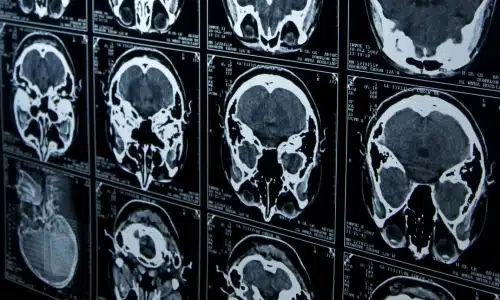
Traumatic brain injury (TBI) occurs when a sudden physical assault on the head causes brain damage. This condition can vary widely in its severity and effects, ranging from mild concussions, which may result in temporary confusion and headaches, to severe cases that cause permanent brain damage or even death. TBIs are categorized based on the location and extent of the brain damage: focal injuries affect a specific area, while diffuse injuries involve multiple regions.
The impact of a TBI can be profound, influencing physical functions, emotional well-being, and cognitive abilities. Common causes include falls, vehicle accidents, and sports injuries. Symptoms can include memory loss, dizziness, fatigue, and changes in mood or behavior, necessitating immediate medical evaluation to manage and mitigate long-term consequences. TBI remains a leading cause of disability and mortality, particularly among young adults.
Common Symptoms of a Traumatic Brain Injury (TBI)
If you or a loved one has suffered a jarring hit to the head, be vigilant for the following symptoms, which may indicate a brain injury:
- Headaches
- Vision problems
- Ringing in the ears
- Convulsions or seizures
- Nausea
- Physical weakness
- Irritability
- Sleep problems
- Vomiting
- Sensitivity to light
- Loss of consciousness
- Communication problems
- Confusion
- Slurred speech
- Motor skill issues
- Partial or full paralysis
Together with any of the above-mentioned medical symptoms, mental, behavioral, and emotional abnormalities are also frequently observed in TBI patients. The severity of a traumatic brain injury can cause temporary or permanent alterations in cognition, emotions, and behavior.
- Memory issues
- Changes in temperament
- Aggressiveness
- Poor judgment
- Social skill difficulties
- Problem-solving issues
- Depression
- Learning challenges
- Inappropriate behavior
- Cognitive issues
- Mood swings
- Lack of motivation
Traumatic brain injuries (TBI) in children require careful attention, as young ones may not effectively communicate their discomfort or the nuances of their symptoms. As caregivers, it’s crucial to observe children meticulously for any shifts in behavior. This includes monitoring their play, eating habits, and routines during nap times.
Additionally, it is essential to notice any alterations in their motor functions, sleep cycles, and progress with toilet training.
While the indicators listed are key to monitoring, they do not cover all possible symptoms of TBI. If you suspect that your child or someone close has experienced a TBI, it is critical to seek professional medical advice promptly. Early diagnosis and treatment are vital and can be lifesaving.
Determining Negligence in a Brain Injury Case
Brain injuries can occur for various reasons. If the injury was caused by someone else’s reckless or negligent behavior, you might be able to seek compensation from the responsible party.
To prove negligence in a brain injury case, you need to demonstrate the following elements:
- Duty of Care: Show that the defendant owed you a duty of care. This means they had a legal obligation to act in a way that would prevent harm to you.
- Breach of Duty: Prove that the defendant breached this duty of care. This involves showing that their actions or inactions were not what a reasonable person would have done under similar circumstances.
- Causation: Establish that the breach of duty directly caused the accident. You need to link the defendant’s breach of duty to the incident that led to your injury.
- Injury Result: Demonstrate that the accident was the direct cause of your brain injury. This requires medical evidence and documentation linking the injury to the accident.
By proving these elements, you can build a strong negligence case and potentially recover damages for your injury.
Who May Be Responsible for Causing Your Brain or Head Injury?
Potentially liable parties for causing brain or head injuries can vary depending on the circumstances. Medical professionals, such as an anesthesiologist who administers excessive anesthesia resulting in a temporary coma and permanent brain damage, may be held accountable.
- Employers can face consequences if they fail to properly train employees to handle toxic fumes and dangerous substances, causing mishaps that can cause brain damage.
- Drivers who engage in reckless driving and cause accidents that result in severe head injuries and irreversible brain damage are held legally accountable.
- Providers of child care who handle infants or young children violently and cause shaken baby syndrome or other brain injuries may be held legally responsible.
- In addition to landlords or rental companies who neglect to remove lead paint, which causes children to ingest paint chips and suffer permanent brain damage and developmental delays, pharmaceutical manufacturers whose products cause strokes resulting in brain injuries may also be liable (refer to Premises Liability).
- Liability also extends to public pools where lifeguards neglect to save drowning youngsters in time, causing brain damage (see Swimming Pool Accidents).
- Schools can be held responsible if they fail to stop bullying, which results in a student becoming hurt and developing brain damage from a closed head injury.
- Finally, the obstetricians who postpone cesarean section deliveries and thereby cause brain injury to the infant bear some of the blame.
You must obtain legal counsel if you or a loved one has experienced a brain or head injury as a result of someone else’s carelessness. For a FREE case evaluation, get in touch with our brain injury legal team serving Greenville right away.
Types of Brain Injury
Accidents and head trauma can lead to various serious brain injuries. Here are some common types:
- Hematoma: This refers to a gathering or clotting of blood outside blood vessels. In the brain, a hematoma can cause increased pressure within the skull, potentially resulting in unconsciousness or irreversible damage.
- Hemorrhage: This type of uncontrolled bleeding can manifest within the brain tissue itself (intracerebral hemorrhage) or in the area surrounding the brain (subarachnoid hemorrhage), both of which elevate intracranial pressure.
- Concussion: A concussion can be induced by direct impact to the head or by rapid acceleration and deceleration forces, leading to temporary loss of neurological function. Sustained concussions have the potential for lasting brain damage.
- Skull Fracture: Despite its strength and lack of bone marrow, the skull can fracture under severe impact. Such fractures compromise its ability to cushion the brain from injury.
- Edema: Following an injury, swelling of the brain tissue, or edema, can develop. Because the skull is rigid and cannot expand, this swelling can lead to critical pressure increases, pressing the brain against the skull.
- Diffuse Axonal Injury: This form of brain injury, which may not involve bleeding, still harms brain cells. It can lead to swelling and subsequent brain damage.
Talk to Our Brain Injury Attorney Serving Greenville Today!
A serious brain injury can have long-term effects on victims and their families. If someone else’s negligence caused your brain injury, you have the right to recover compensation for your losses.
At the CEO Lawyer Personal Injury Law Firm, our TBI legal team maintains a smaller caseload, allowing us to give your case the full attention it deserves. If you or your loved one has suffered a traumatic brain injury due to someone else’s negligence, call us at (864) 664-3865 or contact us online today! Let us fight for your rights and help you get the compensation you deserve.
FAQ:
-
What is a traumatic brain injury (TBI)?
A TBI is an injury that occurs when an external force causes brain dysfunction, often resulting from falls, accidents, or blows to the head.
-
How common are traumatic brain injuries in the United States?
According to the CDC, approximately 1.7 million Americans suffer from TBIs each year, making them a leading cause of death and disability.
-
What are the typical causes of TBIs?
TBIs commonly occur due to falls, car accidents, sports injuries, and assaults. They can happen almost anywhere, including at work, home, or on the road.
-
What should I do if I suspect someone has a TBI?
If you suspect a traumatic brain injury (TBI), seek medical attention immediately. Early diagnosis and treatment are essential to improving recovery outcomes.
-
Can TBIs have long-term effects?
Yes, TBIs can lead to long-term or permanent physical, cognitive, and emotional issues, depending on the severity of the injury.