

Quick Summary: Bronx Construction Accident Claims
- New York law provides construction workers with important legal protections after workplace accidents.
- Serious construction injuries often involve falls, falling objects, unsafe worksites, or defective equipment.
- Workers may qualify for both workers’ compensation and third-party construction accident claims.
- Strong evidence and timely action can help support a construction accident claim.
- Special filing deadlines may apply to accidents involving government-owned construction projects.
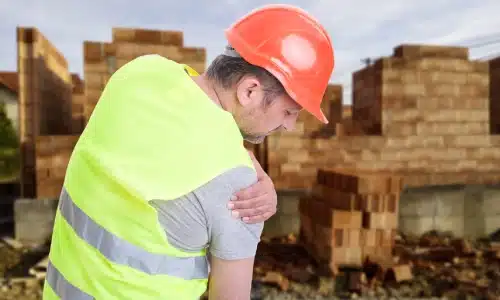 Construction work remains one of New York’s most hazardous occupations, exposing workers to elevated work areas, heavy equipment, electrical systems, and constantly changing jobsite conditions.
Across the Bronx, active development along the Grand Concourse corridor, residential projects in Mott Haven and Hunts Point, and infrastructure work near the Cross Bronx Expressway create risks for scaffold collapses, falling debris, equipment failures, and other serious construction accidents.
The CEO Lawyer Personal Injury Law Firm serves injured construction workers throughout the Bronx from its Queens office. Construction accident claims often involve multiple contractors, subcontractors, property owners, equipment suppliers, and insurers, making it important to identify every potentially responsible party.
How New York Law Protects Injured Construction Workers
Construction accident cases differ from many other personal injury claims because New York law provides workers with additional legal protections. In some cases, an injured worker may have claims under New York Labor Law, Bronx personal injury claims, workers’ compensation, or general negligence principles.
Labor Law 240(1) and the Scaffold Law
One of the strongest protections available to construction workers is Labor Law 240(1), commonly known as the Scaffold Law. It applies to gravity-related hazards, including falls from scaffolds, ladders, roofs, and elevated platforms, as well as injuries caused by falling tools, materials, or improperly secured objects.
Labor Law 240(1) may impose absolute liability on property owners and general contractors when required safety devices were missing or inadequate, and that failure caused a gravity-related injury. Although New York generally follows a pure comparative negligence system, comparative negligence is generally not a defense when Labor Law 240(1) applies.
The New York State Senate provides the official text of New York Labor Law Sections 200, 240, and 241.
Because New York Labor Law 240 claims frequently involve scaffold accident injury claims, construction site fall injuries, and falling object injuries on job sites, they remain an important part of construction accident litigation serving the Bronx.
Common Construction Accidents Affecting Bronx Workers
Construction sites present numerous hazards, even for experienced workers. Unsafe conditions, defective equipment, and failures to follow safety regulations can lead to serious injuries.
Construction Site Fall Injuries
Construction site fall injuries remain one of the leading causes of severe workplace injuries. Falls from scaffolding, ladders, roofs, steel framing, suspended platforms, and elevated work areas often result from missing guardrails, defective ladders, unstable scaffolding, or inadequate fall protection.
These hazards are especially common on high-rise rehabilitation projects along the Grand Concourse corridor.
Scaffold Accident Injury Claims
Scaffold accident injury claims frequently involve improperly assembled scaffolds, missing guardrails, overloaded platforms, defective components, or inadequate inspections. Because these incidents often involve gravity-related hazards, Labor Law 240(1) may provide important legal protections.
Falling Object Injuries on Job Sites
Workers are also vulnerable to falling object injuries on job sites involving dropped tools, steel beams, construction materials, roofing supplies, or concrete debris. Even relatively small objects falling from several stories can cause traumatic brain injuries, spinal cord injuries, and other catastrophic harm despite existing safety requirements.
Construction Equipment Malfunction Injuries
Construction equipment malfunction injuries may involve cranes, forklifts, excavators, defective lifts, hydraulic systems, or power tools. Depending on the circumstances, contractors, maintenance providers, equipment manufacturers, or other third parties may be responsible for the resulting injuries.
Who May Be Responsible for a Construction Accident?
Construction projects often involve several companies, making liability more complex than many personal injury cases. Property owners and general contractors have legal responsibilities to maintain reasonably safe worksites and comply with New York Labor Law requirements.
Liability may arise when they fail to provide proper safety equipment, correct dangerous conditions, supervise work appropriately, or follow applicable construction regulations. Subcontractors may also be responsible when unsafe work practices, improper installation, equipment misuse, or hazardous worksite conditions contribute to an accident.
Engineers, architects, equipment rental companies, maintenance contractors, and product manufacturers may also share responsibility when their actions contribute to a worker’s injuries.
How Labor Law 241(6) and Labor Law 200 Protect Construction Workers
New York provides construction workers with several legal protections, including Labor Law 241(6) and Labor Law 200. While these statutes often appear in the same lawsuit, they address different types of workplace hazards and legal responsibilities.
Labor Law 241(6) and Construction Site Safety Violations
Labor Law 241(6) requires property owners and general contractors to provide reasonable and adequate protection for workers performing construction, demolition, and excavation work. Unlike Labor Law 240(1), which focuses on gravity-related hazards, Section 241(6) applies to a broader range of construction site safety violations.
To pursue a claim under Labor Law 241(6), an injured worker generally must show that one or more Industrial Code violations contributed to the accident. Common examples include inadequate fall protection, unsafe excavation practices, missing barricades, improper material storage, and other failures to follow required safety regulations.
Labor Law 200 and Workplace Safety
Labor Law 200 is New York’s general workplace safety statute. It requires property owners and contractors to provide workers with a reasonably safe place to work and generally applies when a dangerous condition existed, or negligent supervision contributed to an injury.
Depending on the facts, construction accident claims may involve Labor Law 240(1), Labor Law 241(6), Labor Law 200, or several of these statutes together.
New York Labor Law 240 claims often arise after scaffold collapses, ladder falls, and other gravity-related hazards on construction projects serving the Bronx.
Steps to Take After a Construction Accident
The actions you take after a construction accident can affect both your recovery and your ability to pursue a claim. Seeking prompt medical treatment and documenting the incident as soon as possible may help preserve important evidence while creating a record of your injuries.
Workers should also avoid common mistakes that can complicate construction accident claims, including:
- Giving a recorded statement: Insurance adjusters may request a recorded statement soon after the accident. Before providing one, it is important to understand how your comments could affect your claim.
- Delaying medical treatment: Waiting to seek care may make it more difficult to connect your injuries to the accident and could affect the documentation supporting your claim.
- Posting on social media: Photos, comments, or updates about the accident or your recovery may later be reviewed by insurance companies during the claims process.
- Accepting an early settlement offer: Early offers may be made before the full extent of your injuries and future medical needs is known, potentially leaving important losses uncompensated.
Workers’ Compensation vs. Third-Party Construction Accident Claims
After a construction accident, many workers assume workers’ compensation is their only source of financial recovery. However, these benefits may not cover every loss resulting from a serious workplace injury. Depending on how the accident occurred, an injured worker may also have the right to pursue a third-party personal injury claim.
What Workers’ Compensation Covers
Most injured construction workers qualify for workers’ compensation benefits through their employer’s insurance, regardless of who caused the accident.
These benefits generally pay for necessary medical treatment and provide partial wage replacement while the worker recovers. However, workers’ compensation may not fully compensate an injured worker for all financial and personal losses.
When a Third-Party Construction Accident Claim May Be Available
In some situations, injured workers may also pursue third-party construction accident claims against someone other than their employer. Potentially liable parties may include property owners, general contractors, subcontractors, scaffolding companies, equipment manufacturers, maintenance providers, or material suppliers.
Receiving workers’ compensation benefits does not automatically prevent an injured worker from filing a third-party personal injury claim. In many cases, both claims may proceed simultaneously, although coordination may be necessary if the workers’ compensation carrier has reimbursement rights in any recovery.
How Evidence Can Strengthen a Construction Accident Claim
Construction accident claims often involve multiple insurance carriers representing contractors, subcontractors, property owners, and other businesses working on the same project. Insurers may dispute liability, question the seriousness of injuries, argue that safety procedures were ignored, or offer an early settlement before the full extent of the injuries is known.
Because construction sites can change quickly, preserving evidence early can help establish how an accident occurred and identify potentially responsible parties. Helpful evidence may include:
- OSHA inspection reports: Document construction site OSHA violations or other safety concerns.
- Site safety logs and accident reports: Show jobsite conditions, safety procedures, and incident details.
- Equipment maintenance records: Help determine whether machinery was properly inspected, repaired, or maintained.
- Photographs and videos: Preserve the accident scene before conditions change.
- Medical records: Connect the worker’s injuries to the construction accident and resulting treatment.
- Witness statements: Provide firsthand accounts of how the accident occurred.
- Contractor agreements and project records: Identify the parties responsible for safety obligations on the jobsite.
OSHA also publishes construction safety standards and reporting information that may help workers understand federal safety requirements and how violations are documented. In cases involving construction equipment malfunction injuries, inspecting the equipment itself may also help determine whether defective components, poor maintenance, or improper operation contributed to the accident.
How the Legal Process Works for Bronx Construction Accident Claims
Construction accident claims arising from Bronx job sites may follow different legal procedures depending on where the accident occurred. Understanding where claims are filed and whether special deadlines apply can help injured workers protect their legal rights.
Where Construction Accident Claims Are Filed
Construction accident lawsuits arising from Bronx job sites are generally filed in the Supreme Court, Bronx County, while smaller civil matters may proceed in the Civil Court of the City of New York, Bronx County. Appeals are typically heard by the Appellate Division, First Department.
Workers with serious injuries are often treated at Jacobi Medical Center, Lincoln Medical Center, or Montefiore Medical Center Moses Campus, all designated Level I Trauma Centers. St. Barnabas Hospital also treats many victims of construction accidents.
Special Rules for Claims Against Government Entities
Construction accidents involving NYCHA properties, city-owned buildings, bridges, or roadway projects may have different filing requirements than other personal injury cases. In many situations:
- Notice of Claim: Generally must be served within 90 days under General Municipal Law § 50-e.
- Lawsuit deadline: Generally must be filed within one year and 90 days under General Municipal Law § 50-i.
These deadlines differ from the three-year statute of limitations under CPLR 214(5), making it important to identify the correct filing requirements as early as possible.
Types of Compensation Available After a Construction Injury
Injured construction worker compensation may include both economic and non-economic damages, depending on the facts of the case. In some situations, Bronx personal injury claims may allow recovery beyond the benefits available through workers’ compensation.
Economic damages may cover medical treatment, hospitalization, rehabilitation, future medical care, lost wages, and reduced earning capacity. Non-economic damages may compensate for pain and suffering, emotional distress, permanent disability, scarring, disfigurement, and loss of enjoyment of life.
In rare cases involving particularly reckless conduct, punitive damages may also be available, although they are reserved for exceptional circumstances rather than ordinary negligence.
What Happens After You Hire a Construction Accident Attorney?
Every construction accident case requires a thorough investigation to identify all potentially responsible parties. This may include reviewing accident reports, OSHA findings, site safety records, photographs, witness statements, contractor agreements, and equipment involved in the incident. Preserving evidence early is often critical because construction sites can change quickly after an accident.
Construction accident cases also frequently involve multiple insurance companies representing different contractors and businesses. Negotiations often focus on determining each party’s responsibility under contracts, New York Labor Law, and applicable safety regulations. If a fair settlement cannot be reached, the case may proceed through the court system.
Local Construction Accident Representation Serving the Bronx
Construction work is a constant part of life across the Bronx. From apartment renovations along the Grand Concourse to commercial projects near Bronx Terminal Market and infrastructure improvements around the Cross Bronx Expressway, workers regularly perform demanding jobs at height, around heavy equipment, and alongside active traffic. When safety procedures break down, even routine tasks can lead to serious injuries.
Our legal team understands the types of job sites where construction accidents commonly occur throughout the borough, including:
- Grand Concourse: Façade repairs, scaffold work, and building renovations often expose workers to fall hazards and falling materials.
- Mott Haven and Hunts Point: New residential, warehouse, and industrial projects frequently involve excavation work, cranes, forklifts, and other heavy machinery.
- Cross Bronx Expressway and Major Deegan Expressway: Bridge repairs and roadway construction place crews near high-speed traffic as they operate lifts, barriers, and large equipment.
- Fordham Road and the areas surrounding Fordham University: Renovation projects on commercial buildings and institutional facilities can involve demolition, electrical work, and structural repairs that carry significant safety risks.
Proudly Serving Construction Workers Throughout the Bronx
The CEO Lawyer Personal Injury Law Firm serves injured construction workers across the Bronx, including Riverdale, Kingsbridge, Morris Park, Pelham Bay, Soundview, and neighboring communities. Whether your injury happened on a residential development, a public infrastructure project, or a commercial job site, our team understands the local conditions that often contribute to construction accidents.
Many injured workers receive emergency care at Jacobi Medical Center, Lincoln Medical Center, or Montefiore Medical Center before beginning the claims process. While you focus on your recovery, we can work to gather construction records, accident reports, and other evidence that may be important to your case.
Bronx Construction Accident Claims FAQ
Can undocumented construction workers file construction accident claims in New York?
Yes. Immigration status generally does not prevent someone from seeking workers’ compensation benefits after a workplace injury or pursuing certain third-party construction accident claims. Eligibility depends on the facts of the case and the applicable laws, so discussing your situation with an attorney can help you understand your available options.
What should I do if my employer tells me not to report a construction accident?
You should seek medical attention as soon as possible and report the injury in accordance with your employer’s procedures. Waiting to report the accident or delaying treatment may make it more difficult to document how the injury occurred. If you have concerns about your rights, a legal team serving the Bronx can explain your options based on your circumstances.
Can I still file a construction accident claim if the accident happened several months ago?
Possibly. Many construction accident claims in New York are subject to a three-year statute of limitations, but shorter deadlines may apply in certain situations, including claims involving government entities or municipal projects. Even if some time has passed since the accident, it’s important to have your situation reviewed as soon as possible because evidence can become more difficult to obtain over time.
About the CEO Lawyer Personal Injury Law Firm
If you were injured while working on a construction project serving the Bronx, understanding your legal options can help you make informed decisions about your future. The CEO Lawyer Personal Injury Law Firm represents injured workers in matters involving New York Labor Law, workers’ compensation, and third-party personal injury claims.