


 Quick Summary: Queens Drunk Driving Accident Lawyer
- Most New York drunk driving accident claims have a three-year filing deadline under CPLR 214(5).
- New York’s pure comparative negligence law allows recovery despite partial fault, with damages reduced proportionally.
- Pain and suffering damages require meeting New York’s serious injury threshold under Insurance Law 5102(d).
- Victims may also pursue Dram Shop claims against establishments under General Obligations Law 11-101.
Drunk driving crashes can change lives in seconds. In Queens, these collisions occur on roads like Queens Boulevard, the Van Wyck Expressway, and the Grand Central Parkway, often leaving victims with serious injuries and unexpected financial burdens. A drunk driving accident lawyer serving Queens can help explain the legal options available after an impaired driving crash.
Drunk driving accident claims in Queens often involve both civil injury claims and related criminal proceedings against the at-fault driver. Preserving crash evidence, police reports, and medical records early can strengthen a compensation claim.
When Impaired Driving Causes Serious Harm
Impaired driving crashes often result in devastating injuries because alcohol affects judgment, reaction time, and coordination. The National Highway Traffic Safety Administration reported that 11,904 people were killed in alcohol-impaired driving crashes in 2024, highlighting the serious risks these preventable collisions continue to pose nationwide.
Common Drunk Driving Accident Scenarios
- Late-night Queens Boulevard collisions. Wide lanes, long signal cycles, and closing-time traffic combine badly here. Crashes on this corridor often carry high speed and severe injury.
- Highway crashes on major roads. Merging traffic and thin shoulders on the Van Wyck and the Long Island Expressway leave no room to correct a mistake. Impaired drivers here frequently strike vehicles already stopped or slowing.
- Pedestrians struck near nightlife. Foot traffic around Astoria and Flushing peaks at the same hours impaired driving does. Crosswalk collisions here often involve drivers leaving a bar.
- Head-on and intersection crashes. Wrong-way entries onto the Grand Central Parkway and failures to yield along Northern Boulevard are recurring patterns. Some of these drivers flee, which makes pursuing a hit and run case part of the same recovery effort.
Why These Cases Often Involve More Than One Claim
A prosecution by the Queens District Attorney runs on its own track and does not settle the civil claim. A business that served the driver may carry separate exposure, and several policies are often in play. Carriers open their investigation within days, long before treatment ends.
What to Do After a Drunk Driving Accident
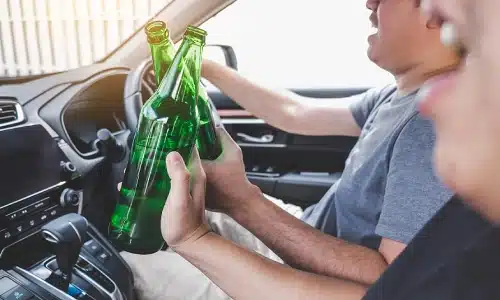 The first month carries the tightest deadlines in any New York collision claim. Two of them arrive well before anyone thinks about filing suit.
Steps That Can Help Protect Your Claim
- Get medical care and call the police. Treatment at Elmhurst Hospital or Jamaica Hospital, the borough’s two Level I trauma centers, creates the record everything later depends on. A police response also documents the officer’s observations of the other driver.
- Preserve evidence early. Photographs, witness names, and dashcam or storefront video can disappear quickly. Ask someone to gather what you cannot while you are receiving medical treatment.
- Track treatment and expenses. Keep bills, referrals, missed work records, and travel expenses together in one file. Gaps in documentation often become issues later in the claim.
- Meet the No-Fault deadline. No-Fault insurance in New York requires written notice to the insurer within 30 days of the crash. Missing that deadline can result in the loss of PIP benefits that pay medical bills regardless of fault.
Mistakes That Can Affect Your Recovery
- Giving an early recorded statement. Adjusters often call before the full extent of the injuries is known, and those statements may later be used against you. Nothing requires an immediate interview with the other driver’s insurance carrier.
- Letting treatment lapse. Missed follow-up visits can be interpreted as evidence that the injuries have resolved. Consistent treatment is often more important than the total number of appointments.
- Posting about the crash. Photos and updates shared on social media may be taken out of context to challenge your claim. Even a casual post can be used to question your physical limitations.
- Accepting an early settlement. Initial offers often arrive before future medical treatment or rehabilitation costs are fully understood. Signing a release generally ends the claim permanently.
New York Laws That May Affect Your Case
Drunk driving accident claims in Queens sit inside the same framework that governs all motor vehicle collision cases in the state. Three rules do most of the work.
Understanding Your Rights After a Drunk Driving Crash
CPLR 214(5) allows three years from the crash to sue, and New York pure comparative negligence under CPLR 1411 trims an award by the claimant’s share of fault rather than erasing it. Pain and suffering damages require clearing the New York serious injury threshold, with qualifying categories set out in Insurance Law 5102 serious injury definitions.
Readers unsure how blame gets divided can review how fault is determined.
When Criminal and Civil Cases Overlap
A VTL 1192 violation charged by the District Attorney moves separately and does not resolve the injury claim. A conviction or plea, paired with blood alcohol concentration (BAC) results, carries real weight on the civil side. A criminal court may also order criminal restitution, though it rarely covers the full loss.
Who May Be Responsible for a Drunk Driving Accident?
Responsibility often reaches past the person behind the wheel. Identifying every party early matters because each one brings a separate policy.
When Liability Extends Beyond the Driver
The driver and the auto carrier come first, and an underinsured motorist claim may follow when limits fall short. Dram shop liability in New York, recognized under General Obligations Law 11-101, can reach a bar that served someone visibly intoxicated, making liquor liability worth investigating along Jamaica Avenue and Astoria’s 30th Avenue.
Surveillance video and State Liquor Authority records usually decide those claims.
How Insurance Companies Evaluate These Claims
Carriers weigh liability, the medical picture, and the limits across every policy. A demand letter opens the formal exchange once treatment stabilizes, and settlement negotiation proceeds from there.
Disputes center on whether the injury clears the threshold and how much treatment ties back to the crash.
Evidence That Can Strengthen a Drunk Driving Claim
Drunk driving accident cases New York courts hear often turn on records created by other people. Gathering them takes speed.
Documents That Can Help Explain What Happened
- Police reports and crash investigation findings. The report captures the officer’s narrative, diagrams, and any field sobriety observations. NYPD collision reports are obtained centrally, not at a precinct counter.
- Chemical test results and criminal case records. Breath or blood results, arrest paperwork, and plea minutes move from the criminal file into the civil claim. Timing matters, since some records surface only after the prosecution ends.
- Medical records, witness statements, and video. Emergency notes, treating records, and imaging establish the injury and its severity. Storefront and traffic camera footage supplies the objective account.
- Photographs of the vehicles and the scene. Damage patterns, skid marks, and roadway conditions support reconstruction. Injury photographs taken over weeks show how recovery actually went.
Why Early Evidence Matters
Bar and storefront systems overwrite video within days, so a preservation letter goes out immediately in dram shop investigations. Memories of who was drinking fade on a similar timeline. Evidence gathered by police often outweighs anything a civil investigator can develop months later.
Compensation Available After a Drunk Driving Accident
Recovery is measured across two categories under New York law, with a third available only in narrow circumstances.
Financial Losses That May Be Recoverable
Drunk driving accident compensation Queens residents pursue starts with medical bills, surgery, and treatment still ahead. Lost wages and reduced earning capacity follow when an injury limits the work someone can return to. No-Fault covers a first layer, and the balance moves into the liability claim.
How Serious Injuries Can Affect Daily Life
Pain, permanent limitation, and diminished quality of life become recoverable once the New York serious injury threshold is met. Courts separate economic and non-economic damages when valuing a crash. Punitive damages stay narrow, requiring conduct a court views as reckless or a qualifying dram shop claim.
What to Expect as Your Claim Moves Forward
Timelines stretch when a criminal case runs alongside the civil one. Much of the work of representing injured clients in Queens happens before anything is filed.
Situations That May Require Additional Guidance
Crashes with several liable parties, including a bar and a driver, need coordinated handling across policies. Claims tied to an active prosecution may require waiting on records the criminal court controls. Injuries needing long-term care call for life care planning first.
From Investigation Through Resolution
Work opens with collecting the police file, canvassing for video, and locating every policy. A demand package follows once treatment plateaus. If negotiation fails, suit is filed in Queens Supreme Court at 88-11 Sutphin Boulevard in Jamaica, part of the Eleventh Judicial District, with smaller claims heard in Civil Court.
Local Legal Representation in Queens & the Neighborhoods Serving It
Drunk driving accidents in Queens may involve claims against not only the impaired driver, but also bars, restaurants, or other alcohol providers when New York’s Dram Shop or social host laws apply. At the CEO Lawyer Personal Injury Law Firm, we represent injured victims throughout Queens County and pursue every available source of compensation.
We handle drunk driving crashes throughout Queens, including:
- Queens Boulevard and Northern Boulevard. Wrong-way, lane-departure, and high-speed collisions along two of the borough’s busiest commercial corridors.
- Long Island Expressway (I-495), Grand Central Parkway, and Van Wyck Expressway (I-678). Serious impaired-driving crashes involving high-speed traffic, airport routes, and major interchanges.
- Astoria, Flushing, and Jackson Heights. Collisions involving drivers leaving restaurant, bar, and entertainment districts where dram shop liability may arise.
- Repeat-offender and uninsured driver cases. Claims involving repeat DWI offenders, commercial drivers, and crashes requiring uninsured or underinsured motorist coverage.
Proudly Serving Our Neighboring Communities
Whether you were injured on Queens Boulevard, the Long Island Expressway, near Astoria’s nightlife district, or elsewhere in Long Island City, Sunnyside, Woodside, Elmhurst, Corona, Rego Park, Forest Hills, Flushing, Jamaica, or another Queens neighborhood, we represent drunk driving accident victims throughout Queens County.
We move quickly to preserve surveillance footage, toxicology evidence, vehicle data, and other critical records, identify all potentially liable parties, obtain official crash reports, and pursue claims against every responsible party.
Queens Drunk Driving Accident FAQ
Three questions come up in nearly every first conversation.
How long do I have to file a drunk driving accident claim in New York?
Three years from the crash applies to most injury suits under CPLR 214(5). A criminal case against the driver does not extend that deadline, so the civil clock runs while the prosecution proceeds. Claims involving a city vehicle require a Notice of Claim within 90 days under General Municipal Law 50-e.
Can I bring a claim against the bar or restaurant that served the drunk driver?
Sometimes. New York’s Dram Shop Act permits a claim against a business that sold alcohol to someone visibly intoxicated or under 21, provided the sale connects to the crash. Proof comes from receipts, surveillance video, and staff testimony, which is why these investigations start quickly.
Does a drunk driving conviction help prove my injury claim?
It helps, though it does not decide the case. A conviction or guilty plea is strong evidence of negligence and can change how a carrier values the claim, particularly where punitive exposure exists. The civil claim still requires proof that the crash caused the specific injuries alleged.
Understanding Your Legal Options With a Drunk Driving Accident Law Firm Serving Queens
Drunk driving accident claims may involve criminal proceedings, multiple insurance policies, and, in some cases, questions about the responsibility of businesses that served the driver. Representing injured clients in Queens often means reviewing the criminal case, available insurance coverage, and other evidence that may affect how New York law applies to the circumstances.
Our legal team serving Queens can discuss your situation, explain the legal and insurance considerations that may be relevant, and review the options that may be available based on the facts of your case.