


Quick Summary: Staten Island Defective Product Lawyer
- Most New York product liability claims have a three-year filing deadline under CPLR 214(5).
- New York recognizes strict liability, negligence, and breach of warranty for defective product claims.
- New York’s pure comparative negligence law allows recovery despite partial fault, with damages reduced proportionally.
- Product liability claims may involve manufacturers, distributors, retailers, and other parties in the distribution chain.
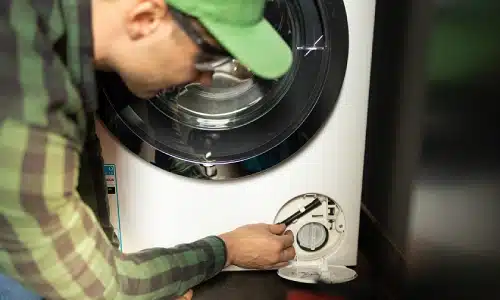 Everyday products should make life easier, not cause serious injuries. Whether the defect involves a household appliance, power tool, vehicle part, or consumer product, a sudden failure can leave victims facing extensive medical treatment and unexpected financial losses. A defective product lawyer serving Staten Island can help determine who may be legally responsible.
Defective product claims in Staten Island often require preserving the product, identifying the type of defect, and gathering evidence before it is lost or altered. Early investigation can play a critical role in establishing liability and pursuing compensation under New York law.
When a Dangerous Product Causes Serious Injury
Products fail in ways their owners had no way to anticipate, which is why the law treats these cases differently from ordinary accidents. Dangerous product injuries typically happen during completely routine use.
Defective Products That Commonly Lead to Claims
A handful of categories generate claims year after year.
- Appliances and heating equipment. Overheating wiring, failed thermostats, and lithium battery fires cause burns and structural damage. The burn pattern inside the unit often identifies the fault.
- Power tools and yard equipment. Missing guards, unexpected blade engagement, and faulty safety switches produce amputations and deep lacerations. Weekend projects account for a large share of injuries from dangerous products.
- Vehicle components. Airbags that fire improperly, belts that release on impact, and tires that come apart at speed drive defective auto parts claims, and the head trauma these failures cause is why brain injury cases in Staten Island sometimes begin as product disputes.
- Medications, devices, and children’s goods. Implants that fracture, drugs sold without adequate risk disclosure, and toys with choking hazards each raise distinct proof questions. FDA recall notices and safety communications may help support defective medical device claims.
Why Product Liability Cases Often Involve More Than One Company
New York recognizes three basic flaws: a design defect that makes an entire product line unsafe, a manufacturing defect affecting only certain units, and a failure to warn about a known risk. Each theory points toward a different company, so technical analysis usually determines who belongs in the case.
Protecting Your Rights After a Product-Related Injury
In these cases, the product is the evidence. Almost everything else can be reconstructed later.
Steps That Can Help Preserve Your Claim
- Preserve the product. Set the item aside without cleaning it, repairing it, or returning it to the seller. Keeping the product in its post-incident condition allows it to be examined later.
- Keep related materials. Save the box, receipt, instruction manual, and warranty paperwork. These records can help identify the product and document when and where it was purchased.
- Document your medical treatment. Seek medical care promptly and keep records from your first visit forward. Consistent treatment creates a clear record of your injuries.
- Photograph the evidence. Take pictures of the product, the surrounding area, and your injuries as they change over time. Early photographs preserve details that may no longer be visible later.
Mistakes That Can Create Problems Later
Four missteps do the most damage to an otherwise provable claim.
- Discarding or repairing the item. A cleaned or rebuilt product no longer shows the condition that caused the harm. Defense teams argue hard that missing evidence sinks the case.
- Answering a manufacturer’s recorded questions. Company representatives call early and sound genuinely concerned. Their notes are written for the defense file.
- Describing the incident on social media. Posts and replies get collected and read as admissions. Photographs circulating online complicate the later inspection.
- Settling before the defect is examined. Offers tend to arrive before anyone has opened the product up. A full inspection more often raises the stakes than lowers them.
New York Laws That Apply to Defective Product Claims
Two questions shape these cases: what an injured person actually has to prove, and how long the door stays open.
How Manufacturers and Sellers May Be Held Responsible
New York strict liability means the injured person need not show carelessness, only that the product was defective and caused harm. Negligence claims focus on unreasonable choices in design, production, or labeling, while a breach of warranty claim rests on what the seller promised about the item.
Most product liability cases in New York plead several of these theories together.
Other Legal Rules That May Affect Your Case
The statute of limitations for injury suits runs three years from the date of injury under CPLR 214(5), while CPLR 214-c can move that starting point for conditions that surface long after exposure.
Comparative negligence under CPLR 1411 lowers an award by the injured person’s share of responsibility rather than cutting off recovery, which becomes central whenever a company claims misuse.
How Product Liability Claims Are Investigated
Defective product claims in Staten Island usually reach several companies at once, and naming all of them early affects everything that follows.
Looking Beyond the Manufacturer
New York permits claims against any commercial party in the distribution chain: the maker, component suppliers, importers, wholesalers, and the store that sold the item. That reach matters when the original manufacturer is overseas, dissolved, or bankrupt, since a domestic seller can still answer for the defect.
How Product Liability Cases Are Evaluated
Companies open with testing records, design files, and complaint histories, arguing the item performed as intended. A product recall or an open defect investigation at NHTSA can change that conversation quickly. Serious negotiation tends to follow the technical findings rather than precede them.
Building a Strong Defective Product Case
Evidence here is physical, and physical evidence walks out the door. Recalled product injuries are easier to document, but only when the item and its paperwork survive.
Evidence That Can Strengthen Your Claim
Four categories tend to carry these files.
- The product, unaltered. Engineers need the object itself to locate the failure point. A photograph cannot be taken apart or tested.
- Packaging, receipts, and manuals. These establish the model, lot number, purchase date, and the warnings the buyer actually got. They also connect the item to a specific seller.
- Recall notices and complaint records. The CPSC recall database may show whether similar products were recalled or presented known safety hazards before your injury.
- Medical records and injury photographs. Treatment notes link the failure to the harm it caused. Records from borough hospitals carry the same weight as any other treating documentation.
Why Preserving Evidence Matters
Retailers accept returns, warranty programs swap units out, and landlords haul damaged goods away within days. Once the object is gone, both sides argue from pictures, and the injured person carries the burden of proof.
The Lasting Impact of a Defective Product Injury
Losses from a product failure usually run well past the first hospital stay. Burns, crush injuries, and long-term device complications reshape budgets as much as bodies.
Financial Losses That May Be Recoverable
Manufacturing defect compensation ordinarily covers treatment already provided, care expected in the future, earnings lost during recovery, and reduced earning capacity. Home modifications, assistive equipment, and paid help at home belong in the same accounting.
How Serious Product Injuries Can Affect Daily Life
Non-economic damages address pain, permanent limitation, and the ordinary pleasures a person loses. Where a failure proves fatal, surviving relatives may bring Staten Island wrongful death claims, and punitive damages stay reserved for conduct showing willful disregard for consumer safety.
What to Expect From a Defective Product Law Firm Serving Staten Island As Your Case Moves Forward
Product suits arising in the borough are filed in Richmond County Supreme Court at 26 Central Avenue in St. George, with claims up to $50,000 available in Civil Court of the City of New York. Appeals are heard by the Appellate Division, Second Department. A defective product law firm serving Staten Island can explain which court is appropriate based on the facts of your case and guide you through each stage of the legal process.
When Additional Guidance May Be Beneficial
Legal guidance becomes increasingly important when a case involving recalled products, multiple potentially liable parties, or failures that require engineering and medical analysis to evaluate. Permanent harm raises the cost of getting the technical work wrong. Claims involving catastrophic or permanent injuries often require extensive investigation and technical evidence, making experienced legal representation especially valuable.
From Product Review Through Resolution
As your case moves forward, a defective product law firm serving Staten Island may begin by preserving the defective product, tracing its distribution path, and retaining technical consultants. A demand letter built on inspection findings and medical proof follows, and litigation proceeds when a manufacturer disputes the defect.
Local Legal Representation in Staten Island & the Neighborhoods Serving It
Defective product claims can arise from dangerous consumer goods, defective vehicles, unsafe medical devices, and other products that cause serious injuries. At the CEO Lawyer Personal Injury Law Firm, we represent injured consumers throughout Richmond County and pursue claims against manufacturers, distributors, retailers, and other responsible parties.
We handle defective product cases throughout Staten Island, including:
- Defective vehicles, tires, and auto components. Tire blowouts, airbag failures, brake defects, and other vehicle-related product failures on the Staten Island Expressway (I-278), West Shore Expressway (NY 440), and local roadways.
- Household products, appliances, and battery fires. Fires, explosions, and burn injuries involving e-bikes, power tools, appliances, batteries, and other consumer products in homes across Staten Island.
- Retail and consumer product injuries. Defective products purchased along Hylan Boulevard, Richmond Avenue, Forest Avenue, at Staten Island Mall, and other retail centers.
- Defective medical devices and dangerous pharmaceuticals. Claims involving recalled medical devices, implants, and medications linked to serious injuries.
Proudly Serving Our Neighboring Communities
Whether you were injured by a defective product in St. George, New Dorp, Great Kills, Tottenville, Port Richmond, Stapleton, Mariners Harbor, or another Staten Island neighborhood, we represent injured consumers throughout Richmond County.
We move quickly to preserve the defective product, packaging, receipts, warranty information, maintenance records, and other critical evidence, retain qualified experts when needed, and pursue claims against every responsible party.
Staten Island Defective Product FAQ
Three questions come up more often than any others.
How long do I have to file a defective product claim in New York, and does it matter when I discovered the defect?
Three years from the date of injury under CPLR 214(5) for most claims. For harm caused by latent exposure, CPLR 214-c can start the clock when the injury is discovered or reasonably should have been, which sometimes widens the window. Injuries tied to City of New York property or agencies require a Notice of Claim within 90 days.
Can I still recover compensation in a New York product liability case if I was partially responsible for how I used the product?
Usually, yes. New York reduces damages by the percentage of fault assigned to the injured person instead of barring recovery, so someone found 20 percent responsible still collects 80 percent of proven losses. Companies press misuse arguments aggressively, which is another reason the item itself matters so much.
Who can be held liable for a defective product injury in Staten Island, and does it matter where I purchased the item?
Anyone who put the product into the stream of commerce may be liable, including the manufacturer, the distributor, and the retailer. Under the strict liability doctrine, how careful a seller was makes no difference if the item left their hands defective. Where you bought it matters mainly for identifying defendants and proving the purchase, not for whether a claim exists.
Know Your Legal Options After Encountering a Defective Product
Product liability claims often depend on preserving the product, its packaging, purchase records, and other evidence that may help determine how the item failed and who may be legally responsible. Understanding these issues early can help clarify what legal options may be available under New York law.
Our legal team serving Staten Island can review the circumstances of your defective product claim, explain the documentation that may be important to preserve, and discuss the legal options that may be available based on your situation.