


Quick Summary: Wrongful Death Lawyer Serving Staten Island, New York
- Information for families who lost loved ones due to negligence across Staten Island
- Explanation of New York’s wrongful death laws and who can file claims
- Overview of compensation for medical costs, funeral expenses, lost earnings, and pain and suffering
- New York generally allows two years from the date of death to file wrongful death claims
- Steps to pursue justice and secure financial support after tragic losses
Need immediate help? Contact us today at (516) 689-1132.
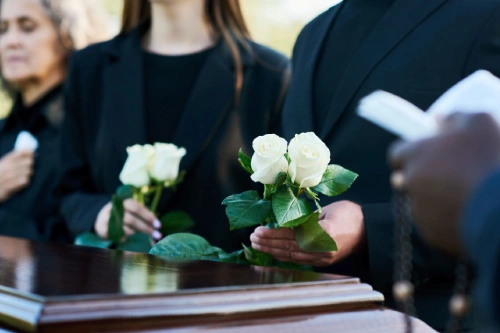 The sudden loss of a loved one is an unimaginable tragedy that leaves a profound impact on families, both emotionally and financially. When a life is lost due to the negligence or misconduct of another, the grief is compounded by the burden of unexpected expenses and the loss of financial support.
The emotional toll includes the pain of loss and the upheaval of a future without a cherished family member. Navigating this challenging time requires not only personal resilience but also knowledgeable legal support to ensure that justice is served.
At the CEO Lawyer Personal Injury Law Firm, we understand the immense challenges that come with wrongful death cases. Our firm is dedicated to supporting Staten Island families during their most difficult times.
We are committed to providing compassionate, thorough legal representation to ease the burden on grieving families. Our goal is to secure the compensation and justice that can offer a measure of relief during such a painful period.
If your family is facing the aftermath of a wrongful death, you need a firm that will treat your case with the utmost care and diligence. Contact the CEO Lawyer Personal Injury Law Firm today at (516) 689-1132 for a free consultation.
Let us help you take the first steps toward healing and justice with the support and experience that can make all the difference.
Compassionate Support From a New York Wrongful Death Attorney
Understanding what constitutes wrongful death is crucial for families considering legal action. In New York, a wrongful death occurs when a person’s death is caused by the wrongful conduct or negligence of another party.
This may involve various situations, including medical malpractice, vehicle accidents, workplace incidents, or criminal actions. The key legal criteria for such claims hinge on proving that the death could have been prevented if not for the negligent actions or misconduct of the defendant.
At the CEO Lawyer Personal Injury Law Firm, we focus on the careful handling of wrongful death cases. Our team possesses deep experience in navigating these complex legal waters, always with a compassionate touch that respects the emotional sensitivity of our clients’ situations.
We are committed to providing families in Staten Island with the support they need during such trying times, helping them to understand their rights and the legal pathways available to them.
Our Firm’s Experience in Wrongful Death Cases
Our approach combines thorough legal knowledge with a deep understanding of the personal impacts of wrongful death. We meticulously gather and analyze evidence, consult with experienced professionals, and craft a compelling case to ensure that families receive the justice and compensation they deserve.
Our firm’s history of successful outcomes in wrongful death claims reflects our dedication and capability to handle even the most challenging cases with sensitivity and excellence.
If you are seeking justice for a lost loved one, you need a personal injury law firm serving Staten Island that not only understands the intricacies of wrongful death law but also approaches your case with the care and respect it deserves. The CEO Lawyer Personal Injury Law Firm stands ready to guide you through this difficult process with the compassion and experience necessary for seeking rightful compensation.
Wrongful Death Claims in Staten Island
The legal framework surrounding wrongful death claims in New York is specific and structured to ensure that justice is served for families who have lost a loved one due to negligence or wrongful acts. Familiarizing oneself with these laws is crucial for families considering legal action, as it shapes the foundation of any subsequent legal proceedings.
New York’s Wrongful Death Laws: Key Elements
- Who Can File: In New York, wrongful death claims must be filed by the personal representative of the deceased’s estate. This representative acts on behalf of the surviving family members and the estate. Typically, this includes immediate family members such as spouses and children, though parents or siblings might also be involved depending on the situation.
- Statute of Limitations: The time limit for filing a wrongful death claim in New York is strictly two years from the date of the deceased’s death. Adhering to this timeline is imperative, as failing to file within this period typically prevents the family from pursuing compensation.
- Types of Recoverable Damages: The damages recoverable in a wrongful death claim in New York can include:
- Economic Losses: Such as the earnings the deceased would have provided, including future earnings.
- Medical and Funeral Expenses: Costs incurred as a result of the deceased’s final illness and burial can be claimed.
- Pain and Suffering: Compensation for the pain and suffering the deceased may have endured prior to death.
- Loss of Companionship: Damages for the loss suffered by the surviving family members due to the loss of companionship.
The Importance of Timely Legal Action
Taking timely legal action is vital. Starting the process early allows sufficient time for gathering necessary evidence, filing paperwork correctly, and constructing a solid case to present in court. It also ensures that claims are made within New York’s statutory limits, keeping the possibility for compensation open.
Understanding these legal nuances and preparing accordingly plays a critical role in securing justice and adequate compensation for the loss of a loved one. Families affected by such tragedies should seek experienced legal guidance to navigate these complex processes effectively.
Common Causes of Wrongful Death in Staten Island
Wrongful death claims arise from various scenarios where negligent or intentional acts result in a fatal outcome. Understanding the common causes of wrongful death in Staten Island is crucial for families seeking justice, as it helps to establish liability and tailor the legal strategy effectively.
Frequent Scenarios Leading to Wrongful Death Claims
- Medical Malpractice: This is one of the leading causes of wrongful death. It can include errors such as surgical mistakes, misdiagnoses, incorrect medication prescriptions, and failure to manage a patient’s condition properly.
- Vehicle Accidents: Fatal accidents involving cars, trucks, motorcycles, bicycles, and pedestrians can all lead to wrongful death claims. Contributing factors often include speeding, drunk driving, distracted driving, and other reckless behaviors.
- Workplace Accidents: In industries such as construction, manufacturing, and transportation, fatal accidents can occur due to unsafe work environments, inadequate safety protocols, and failure to comply with occupational safety standards.
- Criminal Actions: Intentional acts such as assault, battery, or homicide that result in death clearly constitute wrongful death and are pursued under both criminal and civil law.
Importance of Identifying the Cause in Legal Strategies
- Establishing Liability: Knowing the cause helps to pinpoint who is legally at fault. Whether it’s a healthcare provider, a negligent driver, an employer, or a criminal, establishing liability is the first step in a wrongful death claim.
- Shaping Legal Strategy: Different causes of death may require different approaches in court or in settlement negotiations. For example, a medical malpractice case might rely heavily on testimony from qualified medical witnesses, while a vehicular accident case may focus more on accident reconstruction and traffic law.
- Supporting the Claim with Evidence: Each type of wrongful death case demands specific types of evidence. Accurate identification of the cause allows lawyers to gather the most relevant and compelling evidence to support the claim.
For families in Staten Island dealing with the aftermath of a wrongful death, understanding these common causes provides a clearer path to pursuing legal claims. It ensures that the strategy adopted is appropriately aligned with the specifics of the case, thereby enhancing the chances of securing justice and appropriate compensation for their loss.
Staten Island Wrongful Death FAQ
Dealing with the loss of a loved one due to wrongful death brings many questions and concerns. Below are answers to some common questions about wrongful death claims to provide essential information and help families understand their legal options.
What constitutes a wrongful death?
Wrongful death occurs when a person dies due to the legal fault of another party. This can include deaths caused by negligence, such as car accidents or medical malpractice, and intentional acts like assault or homicide.
How long does a wrongful death lawsuit take?
The duration of a wrongful death lawsuit can vary greatly depending on the complexity of the case, the clarity of facts, the cooperation of the parties involved, and the court’s schedule. Some cases may settle in a few months, while others could take years to reach a conclusion.
Can the family of the deceased receive compensation for emotional distress?
In New York, compensation for emotional distress directly experienced by the deceased’s family members is not typically recoverable through a wrongful death claim. However, the estate can recover damages for the pain and suffering endured by the deceased prior to death.
What if the person who caused the death also died in the incident?
If the negligent party died in the same incident that caused the wrongful death, the claim can still be pursued against their estate. In such cases, it is crucial to promptly notify the executor or administrator of the negligent party’s estate to secure potential compensation.
How are wrongful death settlements distributed among family members?
In New York, the settlement received through a wrongful death claim is distributed according to the will of the deceased or, if there is no will, according to the state’s intestacy laws. Typically, the surviving spouse and children are the primary beneficiaries, but other relatives may also have a claim depending on their dependency on the deceased.
Is a wrongful death settlement taxable?
Under federal tax laws, compensation received from wrongful death claims, specifically that which compensates for physical injuries or sickness, is generally not taxable. However, any punitive damages awarded and interest on the settlement may be taxable. Consulting with a tax advisor is advisable to understand the specific implications.
Can siblings file a wrongful death claim?
In New York, siblings do not typically have the right to file a wrongful death claim unless they are named as the personal representative of the deceased’s estate. The claim must be filed by the estate’s representative, and any compensation awarded contributes to the estate and is later distributed according to the deceased’s will or state law.
What should I look for in a wrongful death attorney?
When choosing a wrongful death attorney, look for someone with experience handling similar cases and a track record of securing fair settlements or verdicts. The attorney should also demonstrate compassion and understanding of your family’s situation and communicate clearly about your case.
Work With a Trusted Wrongful Death Law Firm Serving Staten Island
Losing a loved one is an unspeakable tragedy, and while no amount of compensation can replace your loss, securing justice is crucial. At the CEO Lawyer Personal Injury Law Firm, led by Ali Awad, the most followed lawyer on Instagram, where he regularly provides free legal advice, we understand the delicate nature of wrongful death claims and are committed to helping you through this challenging time.
With a deep understanding of New York wrongful death law and a compassionate approach, our team is here to ensure that you receive the comprehensive support and legal experience you deserve. We’re dedicated to obtaining the justice and compensation that can help ease the financial burdens during your time of grief.
Contact the CEO Lawyer Personal Injury Law Firm today at (516) 689-1132 for a free consultation. Let Ali Awad and his experienced team guide you with the respect and dedication you deserve.
Together, we can fight for the rights of your loved one and ensure your family’s future is protected.