



 Quick Summary: Queens Rideshare Accident Claims
- Rideshare accidents in Queens are rising due to increased Uber and Lyft activity, driver distraction, fatigue, and congested road conditions.
- These crashes often result in serious injuries, leading to high medical costs, lost income, emotional trauma, and long recovery periods.
- Rideshare cases are legally complex, involving multiple parties, layered insurance policies, and corporate legal teams working to limit payouts.
- Determining liability may include the rideshare driver, the rideshare company, other motorists, pedestrians, or even vehicle manufacturers.
- New York laws, especially no-fault rules and rideshare-specific insurance requirements, significantly affect how claims are filed and compensated.
Need immediate help? Call (347) 604-6612.Rideshare services like Uber and Lyft have revolutionized transportation in Queens, NY, offering convenience and accessibility at the tap of a button. However, with the surge in rideshare usage comes a troubling increase in accidents involving these vehicles.
As more and more rideshare drivers flood the streets, the risk of collisions and injuries escalates, putting passengers, pedestrians, and other drivers in danger.
The aftermath of a rideshare accident can be chaotic and overwhelming. Victims often face significant medical bills, lost wages, and emotional trauma.
Handling rideshare accident claims demands a detailed legal understanding and relevant experience. This is why having strong legal representation is crucial. A New York rideshare accident lawyer can help you understand your rights, deal with insurance companies, and fight for the compensation you deserve.
If you’ve been involved in a rideshare accident, don’t face this challenge alone. Contact the CEO Lawyer Personal Injury Law Firm today at (347) 604-6612 for a consultation.
Our team is dedicated to protecting your rights and ensuring you receive the justice and compensation you need to recover. Call us now!
Why You Need a Queens Rideshare Accident Attorney
Rideshare accident cases present legal challenges that require knowledgeable and seasoned attorneys. The complexities involved in these cases can be daunting for victims trying to navigate the process alone.
Here’s why you need a New York rideshare accident attorney serving Queens on your side:
Specific Legal Challenges in Rideshare Accident Cases
- Multiple Parties Involved:
- Rideshare accidents often involve multiple parties, including the rideshare driver, the rideshare company (e.g., Uber or Lyft), other drivers, and potentially pedestrians or cyclists. Determining liability among these parties can be complex and contentious.
- Insurance Complications:
- Rideshare drivers are covered by both personal and commercial insurance policies, which can lead to disputes over which policy is responsible for covering damages. Understanding the nuances of these policies is crucial for securing appropriate compensation.
- Corporate Legal Teams:
- Rideshare companies have powerful legal teams and insurance companies working to minimize their payouts. Without experienced legal representation, victims can find themselves at a significant disadvantage.
- Legal Framework:
- Rideshare accidents fall under a different legal framework compared to regular car accidents, involving specific regulations and insurance requirements unique to the rideshare industry.
Benefits of Working With a Local Attorney Who Understands Queens’ Traffic Laws and Regulations
- Local Experience:
- A New York attorney is intimately familiar with the specific traffic laws and regulations that govern the area. This local knowledge is invaluable when building a strong case and advocating for your rights.
- Understanding of Local Courts:
- An attorney who regularly practices in Queens understands the local court systems, judges, and procedures, which can significantly influence the outcome of your case.
- Proven Track Record:
- Local attorneys often have established relationships with local law enforcement, medical professionals, and expert witnesses. These connections can be crucial in gathering evidence and supporting your case.
- Personalized Attention:
- Working with a local attorney ensures you receive personalized and accessible legal support. Your attorney will be more readily available to address your concerns and provide updates on your case.
By hiring a personal injury lawyer, you ensure that you have an advocate who understands the intricacies of these cases and is committed to fighting for your interests. Don’t navigate this complex process alone, reach out to an attorney who can guide you every step of the way.
Common Causes of Rideshare Accidents
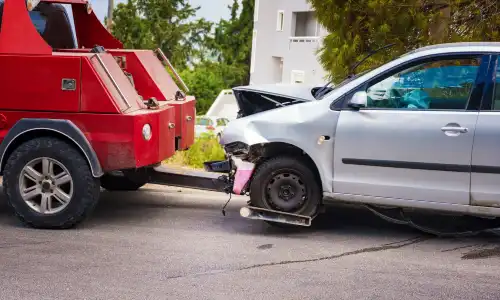 Rideshare accidents can occur due to a variety of factors, often resulting in significant injuries and complex legal issues. Understanding the common causes of these accidents can help in both prevention and legal recourse:
Driver Distraction and Fatigue
- Distraction: Rideshare drivers frequently use GPS and rideshare apps while driving, which can divert their attention from the road. Additionally, distractions such as texting, eating, or adjusting music can further impair their focus.
- Fatigue: Many rideshare drivers work long hours, often late into the night or early in the morning, to maximize their earnings. This can lead to driver fatigue, reducing reaction time,s and increasing the likelihood of accidents.
Inexperienced or Negligent Rideshare Drivers
- Inexperience: Rideshare platforms often have minimal requirements for driver experience. As a result, some drivers may lack the necessary skills and experience to handle challenging driving conditions safely.
- Negligence: Negligent behaviors such as speeding, aggressive driving, and failure to obey traffic laws can significantly increase the risk of accidents. Rideshare drivers may also take risks in order to complete more rides and earn higher fares.
Poor Vehicle Maintenance
- Rideshare vehicles must be regularly maintained to ensure they are safe for passengers and other road users. However, some drivers may neglect vehicle maintenance due to the costs and inconvenience, leading to mechanical failures and accidents. Issues such as brake failures, tire blowouts, and faulty headlights can all contribute to dangerous situations on the road.
Traffic Congestion and Road Conditions in Queens
- Traffic Congestion: Queens is known for its heavy traffic, especially during peak hours. Navigating through congested roads can be challenging for rideshare drivers, increasing the likelihood of collisions.
- Road Conditions: Poorly maintained roads, construction zones, and limited visibility areas can create hazardous driving conditions. Rideshare drivers may struggle to navigate these obstacles safely, particularly if they are unfamiliar with the area.
Understanding these common causes can help victims of rideshare accidents identify potential factors that contributed to their accidents and pursue appropriate legal action. If you’ve been involved in a rideshare accident, seeking legal advice from an experienced New York personal injury attorney serving clients in Queens can help you understand your rights and options.
Determining Liability in Rideshare Accidents
Determining liability in rideshare accidents can be complex due to the multiple parties involved. Here’s a breakdown of the potential parties who may be held accountable:
The Role of the Rideshare Driver
- Primary Responsibility: The rideshare driver is often the first party considered when determining liability. If the driver’s actions, such as distracted driving, speeding, or failure to obey traffic laws, caused the accident, they can be held liable for the damages.
- Insurance Coverage: Rideshare drivers typically have insurance coverage through their personal policy as well as the rideshare company’s policy. The extent of coverage depends on the status of the driver at the time of the accident (e.g., whether they were logged into the app, waiting for a ride request, or actively transporting a passenger).
The Responsibility of the Rideshare Company (e.g., Uber, Lyft)
- Vicarious Liability: Rideshare companies may be held vicariously liable for the actions of their drivers. This depends on the relationship between the driver and the company and whether the driver was actively engaged in rideshare activities when the accident occurred.
- Insurance Policies: Companies like Uber and Lyft provide liability insurance for their drivers, which can cover damages if the driver is found at fault while logged into the app. The coverage typically includes:
- Up to $1 million in liability coverage: When the driver is en route to pick up passengers or is actively transporting passengers.
- Contingent liability coverage: When the driver is logged into the app but not carrying passengers, it can supplement the driver’s personal insurance.
Third-Party Liability (Other Drivers, Pedestrians, etc.)
- Other Drivers: If another driver’s actions contributed to or caused the accident, they could be held partially or fully liable. Evidence such as traffic camera footage, witness statements, and police reports can help establish their role in the accident.
- Pedestrians and Cyclists: In some cases, pedestrians or cyclists may share liability if their actions contributed to the accident, such as jaywalking or riding against traffic.
- Vehicle Manufacturers: If a vehicle defect, such as brake failure or a tire blowout, contributed to the accident, the manufacturer could be held liable under product liability laws.
Determining liability in rideshare accidents requires a thorough investigation and an understanding of the applicable laws and insurance policies. An experienced rideshare accident attorney can help identify all responsible parties and ensure that you receive the compensation you deserve.
How New York Laws Affect Rideshare Accident Claims
Understanding how New York laws impact rideshare accident claims is crucial for victims seeking compensation. Here’s an overview of the relevant traffic and insurance laws, the differences between rideshare and regular car accidents, and the influence of New York’s no-fault insurance system.
Overview of Relevant New York Traffic and Insurance Laws
- Traffic Laws:
- Vehicle and Traffic Law (VTL): New York’s VTL outlines the rules of the road that all drivers, including rideshare drivers, must follow. Violations such as speeding, reckless driving, and failing to yield can establish negligence in an accident claim.
- Insurance Laws:
- Ride-hailing Services Insurance Requirements: New York State mandates that rideshare companies like Uber and Lyft provide specific insurance coverage for their drivers. This includes:
- $75,000 per person/$150,000 per accident for bodily injury
- $25,000 for property damage
- $1.25 million in liability coverage when the driver has accepted a ride or has a passenger in the vehicle
- $1.25 million in uninsured/underinsured motorist (UM/UIM) coverage for accidents involving uninsured or hit-and-run drivers.
- Ride-hailing Services Insurance Requirements: New York State mandates that rideshare companies like Uber and Lyft provide specific insurance coverage for their drivers. This includes:
Differences Between Rideshare Accidents and Regular Car Accidents in Legal Terms
- Insurance Coverage:
- Rideshare Accidents: In rideshare accidents, the driver’s personal insurance may not cover damages if the driver was logged into the rideshare app. Instead, the rideshare company’s insurance policy typically applies, depending on the driver’s status (waiting for a ride request, en route to pick up a passenger, or transporting a passenger).
- Regular Car Accidents: In standard car accidents, the at-fault driver’s personal auto insurance typically covers the damages.
- Liability Determination:
- Rideshare Accidents: Liability may be shared among multiple parties, including the rideshare driver, the rideshare company, and third parties. The involvement of a commercial entity (the rideshare company) adds complexity to liability determination.
- Regular Car Accidents: Liability is generally determined between the involved drivers and any third parties.
The Impact of New York’s No-Fault Insurance System on Rideshare Claims
New York operates under a no-fault insurance system, which means that each driver’s insurance covers their own medical expenses and lost wages, regardless of who caused the accident. This system impacts rideshare accident claims in the following ways:
- Personal Injury Protection (PIP):
- Under New York’s no-fault law, rideshare drivers and passengers can claim Personal Injury Protection (PIP) benefits from the driver’s insurance. PIP covers medical expenses, a portion of lost wages, and other necessary expenses up to $50,000, regardless of fault.
- Serious Injury Threshold:
- To file a personal injury lawsuit against an at-fault driver, the victim must meet the “serious injury” threshold defined by New York law (NY Ins. Law § 5102(d)). This includes significant disfigurement, bone fractures, permanent limitations of use of a body organ or member, or substantial full disability for 90 days.
- Additional Claims:
- If the PIP benefits are exhausted or the injuries meet the serious injury threshold, victims can pursue additional compensation through the rideshare company’s insurance policy, which provides higher liability coverage than personal auto insurance.
Handling the complexities of rideshare accident claims under New York law demands in-depth knowledge and experience. An experienced New York car accident attorney serving Queens can help victims understand their rights, navigate insurance claims, and pursue the maximum compensation available.
Seek Help from an Elite Queens Rideshare Accident Law Firm
If you’ve been involved in a rideshare accident in Queens, your health, finances, and future are on the line. Don’t let the complexities of the legal system and powerful rideshare companies intimidate you.
You need professional legal representation to fight for your rights and secure the compensation you deserve.
Contact the CEO Lawyer Personal Injury Law Firm today at (347) 604-6612. Our elite legal team is prepared to deliver the aggressive, results-driven advocacy your case demands.
Don’t wait, call our New York personal injury law firm serving clients in Queens now to take the first step toward justice and recovery. Your future depends on it.