



 Do you know what your car insurance covers in detail? Many people don’t – until they’re in an accident.
If you were not at fault, you may start by filing a claim with the other driver’s insurance. But all policies have limits to what they will pay, and in Tennessee, the minimum requirement for car insurance is $25,000 in bodily injury liability per person and $15,000 in property damage liability.
If your injuries were serious and required lengthy treatment, you could easily exceed the $25,000 limit if the person who hit you only had the minimum insurance.
Does this mean that you’re out of options? Not necessarily.
What you need is the assistance of an experienced underinsured motorist attorney, who can help you identify other potentially liable parties and make further claims. This process can take some time, and state law limits how long you have to file a lawsuit, so if you’ve suffered an injury from an underinsured motorist, you should seek legal advice right away.
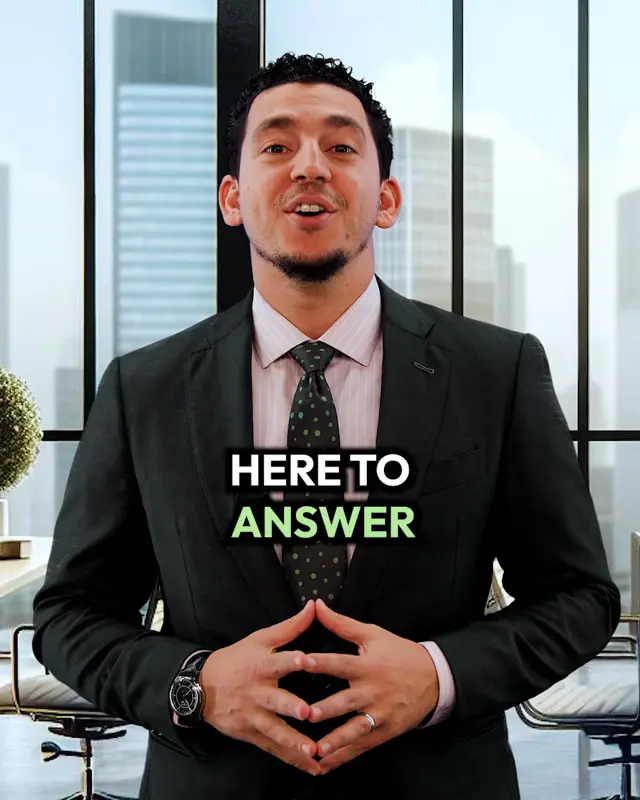
Ali Awad, the founder and managing attorney at The CEO Lawyer Personal Injury Law Firm, knows the ins and outs of auto insurance and underinsured motorist accidents. Also called “The CEO Lawyer,” Mr. Awad transformed a new law practice into an 8-figure firm in just three short years.
That same firm was later voted the fastest-growing law firm in the United States, besting 499 others in 2021. When he’s not in the courtroom or negotiating with insurance companies, The CEO Lawyer also finds time to share down-to-earth legal advice with more than a million followers on social media.
Why Do I Need a Tennessee Uninsured Motorist Attorney?
If you or a loved one have suffered injuries due to an underinsured motorist, you may be in pain, unable to work, and wondering how to pay the balance. There’s no time to lose – call Ali Awad for a free, no-obligation consultation of your case.
The CEO lawyer and his team work on a contingency basis – so they won’t get paid unless and until you do. There is no risk in calling (865) 353-5777 to talk about your case, and we may be able to find additional options for seeking compensation.
Now let’s look at some of the ways car accident victims can get their damages covered and frequently asked questions about these situations:
What Do You Mean, You’ll Pay My Claim But There’s A Limit?
 We’ve met a lot of people who found themselves asking this question about an insurance company. When you buy insurance, it’s easy to assume that all your costs will be taken care of, except maybe for a small deductible.
So many car accident victims start the claims process thinking that everything will be covered. There are several issues here:
- What does “everything” mean? Often, people think it means all their current medical bills. But damages can go well beyond these. You may be forgetting future medical care, prescriptions, mobility aids or other accommodations, travel to medical appointments, physical therapy, etc. Additionally, other damages can include lost income from missing work due to your injuries, pain and suffering, loss of enjoyment of life, etc. For this reason, we recommend going over your case with a injury lawyer in Tennessee before filing an insurance claim if you haven’t done so already. An attorney can help you figure out how much you should receive in damages.
- Damages can quickly surpass the policy limits. If you’ve suffered severe injuries, they may even outpace more robust insurance policies than the minimum requirements.
- Sometimes, the policy limit isn’t the only challenge. The insurance company may say that under Tennessee’s comparative negligence laws, they can pay you less because the accident was partly your fault. This is technically true – if they can prove in court that you contributed to the accident. Merely saying you were at fault in a letter isn’t proof of anything. If this happens, seek legal advice immediately.
So I Can Only Collect the Policy Limit if I Can Convince the Company None of This Was My Fault?
Collecting the policy limit is the ideal outcome when seeking compensation from the at-fault driver’s insurance carrier. Fortunately, in many cases, this is not the only option for receiving compensation. There are several other possible options that your lawyer will explore with you:
- If you have uninsured/underinsured motorist coverage on your auto insurance, you can claim the remaining damages. This coverage also has limits, however, which are usually the same as your liability policy (your coverage if you cause an accident). So, if your regular insurance covers only $25,000 in bodily injury liability, then your uninsured/underinsured motorist policy probably does, too. If you’ve maxed out both policies and still have damages, we’ll consider other options.
- Do you have “MedPay” coverage on your car insurance? Like uninsured/underinsured coverage, this is a supplement you can add to your required insurance. It takes care of medical bills up to its limit, with no deductibles or copays. So, if you have MedPay, this may give you additional benefits.
- Suing the underinsured driver directly is another possibility. Before we do this, we like to consider the other driver’s financial situation. The hard truth is that if the other driver has no significant assets to seize, going through the time, trouble, and expense of a trial may not be in your interest. If you win a large verdict and the other driver can’t pay, you’ll have spent money on court costs without any gain.
- Depending on the situation, you may be able to sue other liable parties. For example, if a defective car part contributed to the crash or made your injuries worse (such as a seatbelt that didn’t lock properly), you may be able to make a claim with the manufacturer. Under certain circumstances involving intoxicated drivers, you may be able to claim against a bar or restaurant that overserved the driver before they drove drunk. This does require that the establishment either served someone who was under 21 or who was “visibly intoxicated.” Occasionally, there may be other situations where a third party is liable.
I Must Have Underinsured Motorist Coverage – It’s Required, Right?
In the state of Tennessee, this coverage is not required, but it’s certainly a good idea to purchase it. Unfortunately, we have met clients who assumed they had this coverage, only to learn they didn’t in the aftermath of an accident with an underinsured driver.
Now might be a good time to check your policy and see exactly what’s covered.
What if I Was a Pedestrian or Riding a Bike When I Was Hit by an Underinsured Driver?
Your options remain the same. Both uninsured motorist and MedPay supplements will cover you even if you weren’t in a car at the time of the accident.
You’ll also be covered if your accident involved public transportation – for example, if you were riding on a bus when it crashed. You can also sue the driver who hit you if they have enough assets.
Additionally, your attorney will consider if other third parties may be liable.
What if My Insurance Company Denies My Uninsured Motorist Claim?
All insurance companies go to a lot of trouble to avoid paying claims – both to their customers and to outside parties who make claims on their customers’ policies. There are numerous reasons why an insurance company might say they don’t have to pay your claim.
In many of these situations, the insurer may be incorrect in their assertion that your claim isn’t covered – but it’s hard to prove this on your own. You need an experienced professional in Tennessee car accident laws and insurance.
If your insurance company has denied your claim for underinsured motorist coverage or MedPay coverage, call a Tennessee car accident lawyer immediately so they can help you fight the insurance company.
How Much Time Do You Have to File an Underinsured Motorist Claim?
Insurance companies generally require you to give them “timely notice” of a claim. Some companies may have more specific time frames, but it’s generally a good idea to at least notify the company of the accident within a few days or at least weeks of the accident.
Of course, most people start with the at-fault driver’s insurance and may not realize there isn’t enough coverage for all their damages until a few weeks or months later. For that reason, we recommend letting your insurance carrier know of your accident right away, even if you weren’t at fault.
If you want to sue the other driver or another party directly, Tennessee has a one-year statute of limitations starting the day of the accident.
A Tennessee Uninsured and Underinsured Motorist Law Firm That Cares
Ali Awad, the CEO Lawyer, is a skilled negotiator who can help you pursue compensation from all responsible parties after an accident, including cases involving uninsured or underinsured drivers. With more than 20 years of combined experience, the attorneys at the CEO Lawyer Personal Injury Law Firm have built a reputation for consistently getting results.
If you have questions about your accident or how to recover from an uninsured motorist claim, call the CEO Lawyer and his team today at (865) 353-5777 for a free, no-obligation consultation.