



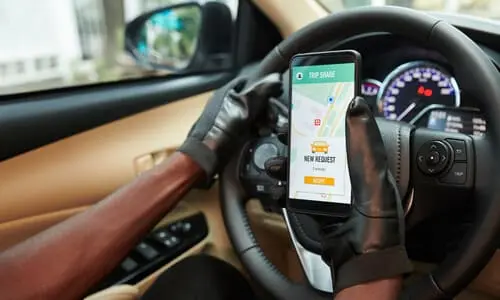
 Ridesharing is convenient, but it can also present dangerous scenarios. If you were hurt by a rideshare driver, either as their passenger or in a collision with them while driving their own car, you could be left with serious injuries and major medical bills.
If you don’t know where to turn after an accident, CEO Lawyer Personal Injury Law Firm is here to help. Ali Awad and his team understand the most effective approach to seeking the compensation you need during these tough times in your life.
Filing an injury claim is not something any of us want to go through, but when it happens, you want someone savvy and focused on the numbers on your side.
When you choose to hire a Chattanooga rideshare lawyer from our law firm, we will fight for your right to seek full and fair compensation for your losses. We understand the challenges you are facing, as well as the tactics insurance companies try to use to reduce or deny your settlement.
Schedule a free case evaluation today by calling (423) 777-8888 to learn more.
Learn About Your Legal Options With a Chattanooga Rideshare Accident Attorney
Rideshare companies like Uber and Lyft offer valuable transportation services throughout Chattanooga and surrounding towns and cities in Tennessee. Whether you are looking to enjoy a night out and get home safely, or you want the convenience of ordering a ride to commute to work or run errands, rideshare services are widely available.
As with any mode of transportation, there is always the risk of an accident when you use a rideshare service. This is especially true of an unregulated business model, one that does not carefully vet the drivers it allows to use its platform.
If you have been involved in a crash with an Uber or Lyft driver, you may be wondering about your legal options. Unfortunately, rideshare accident victims often find it difficult to seek compensation for their losses because of Uber and Lyft’s liability policies.
Steps to Take After a Rideshare Accident
 If you are involved in an Uber or Lyft accident, there are certain steps you should take to help maximize the chance of recovery.
- Stay calm – The moments following a car accident are often overwhelming and frightening. In order to protect yourself and your future claim, it is important to do what you can to stay calm. While it is normal to be upset, lashing out or saying something you don’t mean could cause issues down the line. Also, do not admit fault or blame the driver directly.
- Evaluate the situation – Take time to evaluate what is happening around you. Make a note of any visible injuries and try to determine how you are feeling. Depending on the severity of the crash, you could be in shock. If your injuries are not debilitating, start documenting what you see. Take photos or videos of the scene, speak with witnesses, and collect contact and insurance information from the drivers involved.
- Seek medical attention – No matter the severity of your injuries, it is imperative to seek medical attention as soon as possible after an accident. Even if you aren’t experiencing significant pain or visible injuries, you could have internal injuries that, if left untreated, could cause serious complications. Additionally, you will need comprehensive medical records to ensure you can seek full compensation for your injuries.
- File a police report – It is likely police officers will respond to your accident. Once they are on the scene, provide as many details as possible. However, remember only to include factual information. If you are unable to remember specific events, it is better to say so than to speculate.
- Speak with an attorney – After you have spoken to the police and seen a doctor, it is time to consider speaking with a rideshare accident attorney. They will help you review your situation and determine what actions will help support your fullest recovery.
- Watch what you say to insurers – Be extremely careful when communicating with your driver, the rideshare company, and especially any insurers. In fact, it is in your interest to avoid these conversations until you have a lawyer present. Never accept an offer from a driver or an insurance company until you have had it reviewed by a legal professional.
Understanding Rideshare Accident Insurance Policies
The insurance policy that applies to your accident will depend on the stage of service the rideshare driver was in at the time of the crash. If a driver is offline, meaning they were not actively using the app at the time of the crash, their personal insurance policy will be responsible for covering the damages they caused.
However, both Uber and Lyft have insurance policies for accidents that happen when a driver is available, waiting for a ride request, and when drivers are en route to pick up riders and during trips. They also have policies available for injuries that happen while passengers are in transit.
Uber Accident Insurance Policy
If you are in a car accident with an Uber driver who has been waiting for a ride request and is available on the Uber platform, the following Uber insurance policy applies:
- $50,000 in bodily injury per person
- $100,000 in bodily injury per accident
- $25,000 in property damage per accident
In that instance, it is likely you were also driving or you were a pedestrian or cyclist. If you are an Uber passenger and your driver is involved in an accident, the following insurance policy applies:
- $1,000,000 third-party liability
- Uninsured/underinsured motorist bodily injury and/or first-party injury insurance
- Contingent comprehensive and collision
Uber drivers are also eligible for up to the actual cash value of their car with a $2,500 deductible.
Lyft Accident Insurance Policy
If you are driving when you are struck by a Lyft driver who is active on the app, the following Lyft insurance policy applies:
- $50,000/person for bodily injury
- $100,000/accident for bodily injury
- $25,000/accident for property damage
If you are a Lyft passenger and your driver causes an accident, the following insurance policy applies:
- $1,000,000 for 3rd-party auto liability
- Uninsured/underinsured motorist bodily injury and/or first-party coverage
- Contingent comprehensive & collision up to the actual cash value of the car
Like Uber drivers, Lyft drivers are also eligible for the cash value of their vehicle with a $2,500 deductible.
Filing a Rideshare Accident Claim
While every rideshare accident case is different, there are specific steps and procedures you can expect when filing an injury claim. Your Chattanooga car accident attorney will carefully review the process with you and ensure you understand what to expect every step of the way.
The Claims Process
As with any injury claim, the process begins with a thorough investigation. We will listen carefully to everything you remember about the accident and speak with witnesses about what they saw.
Evidence like photographs, video surveillance, police reports, and medical bills or wage statements will be collected to prove you were wronged.
Most car accidents are the result of negligence. This is no different for rideshare crashes.
If your driver failed to abide by their duty to operate their vehicle safely and you were harmed, we can determine what their actions were and how they contributed to your injuries.
Once we have a solid claim, we can begin negotiations with the insurance company. It is important to note that rideshare companies often try to settle out of court to avoid costly fees.
However, we will ensure you understand what your case is fairly valued at so you don’t accept less than what you are owed.
Types of Compensation
Accident victims face a number of losses, many of which are financial. Some of the damages you may be able to recover with a claim include the following:
- Medical expenses include emergency care, diagnostics, procedures, medications, physical therapy or other types of rehabilitative care, follow-up appointments, and future medical care
- Lost wages include short-term, long-term, or permanent loss of earning capacity
- Out-of-pocket expenses include health insurance copays, transportation costs to and from the doctor or hospital, and more
- Property damage includes loss of personal items like jewelry, electronics, etc., as well as vehicle repairs if you were driving
- Pain and suffering include loss of enjoyment of life, loss of consortium, etc.
No matter what losses you’ve incurred, we believe negligent rideshare drivers and companies should be held accountable for victims’ losses. The sooner you get in touch with our legal team, the more time we will have to build a strong case on your behalf and value your claim fully.
To Settle or Sue?
When a rideshare accident claim is filed, both the insurance and rideshare companies will likely try to take action to reduce what they have to pay out. You may be offered a settlement.
However, it is vital to understand your rights. As your Chattanooga personal injury lawyer will explain, you may choose to accept, counter, or deny any offer.
Your attorney will be well-versed in insurance company negotiations and will take every measure possible to see you are offered a full and fair settlement.
If, however, reaching a settlement is beyond the realm of possibility, we can explore the possibility of litigation. If you choose to pursue a lawsuit against Uber, Lyft, or one of their insurance companies, we will be by your side for the duration of the case.
Contact a Chattanooga Rideshare Law Firm Today
Ali Awad and his team at CEO Lawyer Personal Injury Law Firm are ready to help you understand your legal rights and options after a rideshare accident. We can evaluate your situation, provide you with sound legal guidance, and, should you choose to pursue a claim, guide you through the process required to obtain compensation for your losses.
Our firm operates on a contingency fee basis. You won’t have to worry about paying out of pocket for legal services. In fact, you won’t pay a penny unless we achieve a successful outcome on your behalf.
We are aware of common tactics insurance companies use to reduce settlement offers and will ensure you value your claim to include all of your losses.
If you are ready to take back control of your life, get in touch with a Chattanooga rideshare lawyer. Simply fill out our online contact form or call (423) 777-8888, and we will move forward with scheduling your free consultation.