


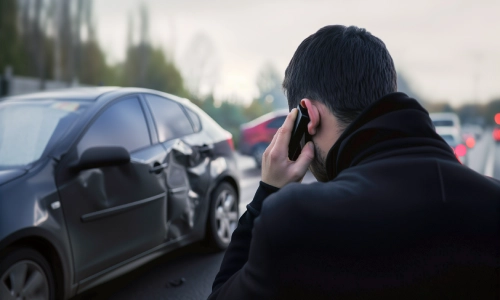
 A rideshare trip that should have been simple can turn devastating in an instant, leaving passengers, drivers, and bystanders with painful injuries and mounting medical costs. Uber and Lyft crashes also involve complex insurance layers that shift depending on whether the driver was offline, waiting for a ride, or actively transporting a passenger.
These cases require quick action, clear evidence, and a California Uber accident lawyer who understands the detailed rules behind California Uber accident claims.
The CEO Lawyer Personal Injury Law Firm helps injured Californians navigate these challenges with confidence, whether the crash involved a negligent rideshare driver or another at-fault motorist. Our team knows how to handle coverage disputes, negotiate with insurance carriers, and build strong rideshare injury cases from the start.
When you need legal guidance you can trust, you can turn to a personal injury attorney serving rideshare accident victims across California.
What a California Uber Accident Attorney Can Do for You
Rideshare crashes leave victims facing Uber’s corporate insurance team from the moment the ambulance doors close. California law requires special coverage for Uber and Lyft, but those policies only activate when every detail is documented correctly.
A dedicated California Uber accident attorney protects your rights from day one and makes sure the right insurance company pays.
These cases move quickly and involve more insurance layers than typical car accidents. Early mistakes can limit or destroy your recovery. An experienced Uber accident attorney in California ensures Uber’s $1 million policy is accessed when it should be.
How a California Uber Accident Law Firm Protects Your Rights
Being injured in an Uber or Lyft can leave you facing medical bills, lost income, and insurance representatives who seem helpful but work for the corporation. Uber’s billion-dollar insurers use proven tactics to reduce what victims receive.
A California Uber accident law firm levels the playing field so you can focus on healing.
Victims without strong representation rarely recover fair value. Insurance carriers know this and pressure for quick, low settlements. Experienced advocacy changes everything.
When to Contact a California Uber Accident Lawyer
Right after you encounter an Uber accident, contact a California Uber accident attorney. Uber begins its internal investigation within hours and may contact you before you have the chance to understand your injuries. Delaying legal help risks losing critical app data and driver records.
Uber’s insurance adjusters are trained to minimize payouts as quickly as possible. Early statements can harm your claim permanently. The first 48 hours often decide whether you access the full $1 million policy.
How Local Laws Affect Your Uber Accident Claim
California requires Uber and Lyft to carry $1 million in liability and uninsured/underinsured coverage when the app is on and during trips. The statute of limitations in California for rideshare accidents is generally two years from the injury date, with rare exceptions for minors or incapacitated victims.
State negligence laws apply exactly the same as in traditional crashes. Missing deadlines permanently bars recovery, no matter how clear the fault. Understanding these overlapping rules prevents costly errors. An Uber accident lawyer serving California handles every requirement properly.
Immediate Steps to Protect Your Health and Rights
- Seek medical care right away. Many rideshare injuries worsen hours or days later after the accident. Delaying treatment gives insurers grounds to deny causation.
- Report the crash through the Uber or Lyft app. This creates an official record that triggers their insurance coverage. Screenshot everything before it disappears.
- Take photos of injuries and damage. Document bruising, cuts, vehicle positions, and the scene before anything moves. These images become powerful evidence.
- Avoid speaking directly with Uber’s insurance team. Adjusters record calls and look for ways to reduce liability. Let your attorney handle all communication.
Preserving Evidence and Documentation
- Save the trip receipt and app screenshots. These prove the driver was logged in and which insurance period applies. Uber deletes data after a limited time.
- Request the police report. California officers note whether the rideshare driver was on the app. This determines policy limits instantly.
- Gather witness contact information. Other passengers or bystanders provide unbiased accounts of fault. Their statements carry significant weight.
- Obtain medical records immediately. Emergency room notes created closest to the crash hold the most credibility. Delays hurt causation arguments.
Speaking With a Lawyer Before the Insurance Company
Uber’s insurers often call within hours, offering fast settlements before the full extent of injuries appears. These early offers are almost always far below the fair compensation, especially when surgery or therapy is needed later. Once you sign a release, you can never seek additional compensation.
Insurance company tactics in California rideshare cases are aggressive and sophisticated. They exploit victims who don’t understand the rideshare insurance policy limits in California. A California personal injury lawyer ensures you receive everything available under the law.
Understanding Liability in California Uber Accident Claims
Third-party liability in rideshare cases depends entirely on when the crash happened and who was at fault. Uber provides different coverage depending on whether the driver was offline, waiting for a ride, or transporting passengers. California Public Utilities Commission (CPUC) regulations determine which policy applies and the level of protection you have.
Multiple parties can share responsibility, from the Uber driver to other motorists to Uber itself, in rare cases. Knowing exactly which insurance applies is critical. A California Uber accident law firm identifies every source of recovery, especially where rideshare crash data and road safety enforcement standards reveal clear patterns of risk and negligence.
Who May Be Held Responsible
- The Uber or Lyft driver. Speeding, distraction, or fatigue makes them personally liable. Their personal insurance may apply when the app is off.
- Another motorist. When a third-party driver causes the crash, their insurance becomes primary. Uber’s coverage acts as secondary protection.
- Uber or Lyft corporate. Only in extreme cases, like known dangerous drivers or an app malfunction. These claims are rare but possible.
- Road hazards or vehicle defects. Government entities or manufacturers can share fault. Additional policies may be accessed.
How Negligence Works Under California Law
You must prove the at-fault party breached a duty of care and directly caused your injuries. California negligence laws apply the same in rideshare crashes as in traditional collisions.
Evidence includes app data, police reports, witness statements, and medical records.
In civil cases, the burden of proof is a preponderance of the evidence, meaning you must show it is more likely than not that negligence caused your harm. Most injury claims must be filed within two years of the crash, making early investigation critical.
Employer and corporate liability may also apply when drivers are working at the time of the collision.
Comparative fault rules mean you can recover even if partially responsible. Your percentage of fault simply reduces the compensation you may receive. Strong evidence overcomes attempts to shift blame.
Common Defenses and How an Attorney Responds
- Claiming you were contributorily negligent. Phone use or seatbelt issues are raised to reduce recovery. App data and witness accounts often contradict that claim.
- Arguing that the driver was an independent contractor. Courts consistently hold Uber liable under their required insurance. Policy language defeats this defense.
- Saying injuries pre-existed the crash. Immediate medical records and physician testimony establish new trauma. Proper documentation neutralizes this tactic.
- Blaming another driver entirely. When a fault is disputed, accident reconstruction can help establish and prove liability. Multiple policies can still be accessed.
Compensation Available in a California Uber Accident Case
California juries understand the betrayal victims feel when a trusted rideshare service leads to serious injury. Compensation covers every economic loss and the deep pain caused by the crash. The amount depends on the severity of the injury, available insurance, and proof of long-term impact.
Uber’s $1 million policy applies to most on-app crashes. Additional coverage may exist from other drivers. Full documentation maximizes recovery potential.
Medical Expenses and Future Care
Past and future medical costs, including emergency care, surgery, therapy, medications, and adaptive equipment, are fully recoverable, with life care plans outlining ongoing needs for permanent injuries. Rehabilitation, home modifications, specialist care, and medical transportation are all included, and thorough documentation ensures that you receive the full maximum compensation.
Many rideshare victims require months or years of treatment, and planning ensures all future costs are accounted for. Delays or gaps in records can drastically reduce recoverable value, so comprehensive evidence is essential. Thorough medical documentation protects the full scope of your recovery and supports long-term financial security.
Lost Wages and Loss of Earning Capacity
All missed income and permanently reduced earning potential are compensable, including wages, bonuses, commissions, and overtime. Economists calculate lifetime losses when victims cannot return to their previous work, factoring in career progression and inflation. Lost benefits, retirement contributions, and healthcare coverage are also included to ensure full financial restoration.
Severe injuries often end careers permanently, forcing lifestyle adjustments and long-term dependence on others. Vocational experts document these losses clearly through detailed assessments and projections. Full economic recovery helps maintain family stability, secure future education costs, and prevent financial ruin for dependents.
Pain, Suffering, and Other Non-Economic Losses
California juries award substantial damages for physical pain, emotional trauma, anxiety, and lost quality of life after serious rideshare accidents. In fatal crashes, California wrongful death laws allow surviving family members to recover for grief, loss of support, and companionship. No cap applies to non-economic damages in most rideshare cases, ensuring victims are compensated appropriately.
The human cost of these preventable crashes is profound, affecting relationships, mental health, and daily functioning. Juries recognize this suffering fully and consider long-term emotional consequences. These awards acknowledge what no money can restore while reinforcing accountability for negligent drivers.
How the CEO Lawyer Team Handles California Uber Accident Cases
Uber’s corporate insurers treat every serious claim as a major threat and fight with unlimited resources. From day one, they work to minimize payouts through proven strategies. The CEO Lawyer Personal Injury Law Firm brings equal strength. Immediate investigation, rideshare insurance knowledge, and relentless advocacy protect California victims.
The settlement process in California rideshare cases is complex, but fair outcomes are achieved through preparation. Victims without strong representation rarely access full policy limits. Experienced advocacy changes everything.
Investigating Your Case and Building Evidence
We request Uber’s internal trip data, insurance declaration pages, and all app-based logs immediately. Accident reconstruction experts analyze app GPS, vehicle sensors, and crash dynamics for accuracy. Medical causation is documented thoroughly from day one to establish long-term treatment needs.
Early preservation of digital evidence is critical because Uber deletes sensitive data after limited periods. Comprehensive proof, including witness statements and maintenance records, forces fair settlements quickly. Detailed documentation ensures no aspect of liability or damages is overlooked by insurers.
Negotiating With Insurers and At-Fault Parties
We present demand packages backed by irrefutable liability, economic loss, and damage evidence. Most cases settle favorably once our trial preparation and documentation are evident. Aggressive yet professional negotiation maximizes recovery efficiently while protecting client interests at all stages.
Rideshare insurers test resolve in every serious claim, particularly in high-value collisions involving catastrophic injuries. A car wreck attorney in California maintains a trial-ready posture that extracts maximum policy limits consistently. Clients never face pressure to accept less than they are fully entitled to receive.
Preparing for Litigation When Necessary
If a fair settlement is refused, we file suit and take cases to California juries without hesitation. Every matter is prepared for trial from the very beginning. Clients pay nothing unless recovery is obtained*.
Thorough trial preparation often forces the best possible settlements. We never back down from fighting for full justice, and California juries deliver life-changing verdicts when the evidence is strong.
Schedule Your Free Consultation With a California Uber Accident Law Firm Today
If you or a loved one suffered a brain injury due to someone else’s negligence anywhere in California, you don’t have to face this alone. The CEO Lawyer Personal Injury Law Firm offers free, compassionate consultations and unwavering support from the moment you reach out to us.
Our experienced team will review your case, gather evidence, and guide you through the legal process so you can focus on recovery while we handle the complex claims.
Contact us online or call (951) 584-3801 to speak with a California personal injury attorney about your brain injury case.
*Disclaimer: No fee unless we win and similar language refers only to attorney fees. Contingency fee terms apply to qualifying cases only and are governed by a written agreement. Our percentage fee is calculated on the gross recovery before expenses are deducted. Court costs and case expenses are the responsibility of the client and must be repaid regardless of case outcome. Contingent attorneys’ fees refers only to those fees charged by attorneys for their legal services. Such fees are not permitted in all types of cases. Court costs and other additional expenses of legal action usually must be paid by the client. The choice of a lawyer is an important decision and should not be based solely upon advertisements.