



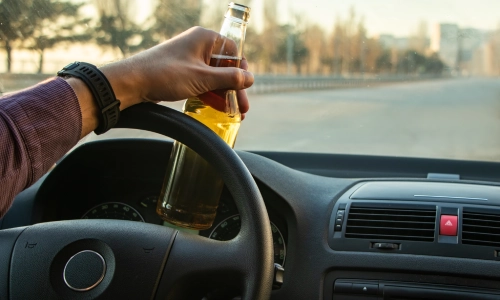
 Our Dallas drunk driving accident lawyers have seen firsthand the devastation caused when someone chooses to get behind the wheel impaired.
In a city as large and active as Dallas, where nightlife and social events are common, these tragic accidents are far too frequent and preventable. Victims of these crashes often face life-changing injuries, emotional trauma, and a long road to recovery.
Unlike other car accident cases, those involving alcohol or drug impairment bring an added layer of negligence and legal urgency. Victims not only suffer physical harm but also the emotional weight of knowing the crash could have been avoided.
Holding drunk drivers accountable is critical not just for individual justice but to help prevent future incidents and promote safer roads throughout the community.
Legal action can help secure compensation for medical bills, lost wages, pain and suffering, and ongoing treatment. It can also include punitive damages designed to punish reckless behavior. With the right legal team, victims can gain peace of mind knowing their case is being handled thoroughly and aggressively, allowing them to focus on healing and rebuilding.
How a Dallas Drunk Driving Attorney Can Help You Pursue Justice
Victims of drunk driving accidents in Dallas often face more than just physical injuries; they’re burdened with emotional trauma, financial hardship, and the frustration of knowing their suffering was entirely preventable. While criminal charges may punish the intoxicated driver, they don’t compensate the victims for their losses.
That’s where civil legal action plays a critical role, and it starts with understanding your rights and options.
The Dangers of Drunk Driving Accidents
Drunk driving remains one of the leading causes of serious and fatal car crashes across the country, and Dallas is no exception. Impaired drivers have slower reaction times, poor judgment, and reduced motor skills, all of which dramatically increase the risk of catastrophic collisions.
Victims often suffer severe injuries such as traumatic brain injuries, spinal cord damage, broken bones, internal bleeding, and permanent disabilities. Tragically, many drunk driving crashes result in loss of life, devastating families, and entire communities.
Holding Negligent Drivers Accountable
When a driver chooses to operate a vehicle under the influence of alcohol or drugs, they are engaging in reckless behavior that endangers everyone around them. In the civil court system, these drivers can and should be held financially accountable for the harm they cause.
Legal action is not just about compensation, it’s about justice.
In Dallas, victims can file personal injury claims against drunk drivers to recover damages related to their injuries, pain and suffering, lost wages, and medical expenses.
In some cases, courts may also award punitive damages to punish particularly egregious behavior and deter others from making the same reckless decisions.
The Role of an Experienced Attorney
Navigating a drunk driving injury case requires more than just filing paperwork; it requires a strategic legal approach tailored to the specific facts of the case. A skilled attorney will investigate the crash thoroughly, gather all available evidence (including police reports, breathalyzer results, and witness testimony), and build a compelling case against the negligent driver.
A Dallas car accident attorney also acts as a buffer between victims and insurance companies, which may try to minimize claims or shift blame. By managing communication, filing deadlines, and legal strategy, the attorney ensures that the victim’s rights are protected throughout the entire process.
Seeking Maximum Compensation for Victims
Victims of drunk driving accidents in Dallas deserve more than the bare minimum. Compensation should reflect not just the medical bills and lost wages, but also the full emotional and psychological impact of the crash. This may include:
- Pain and suffering
- Loss of enjoyment of life
- Emotional distress or PTSD
- Future medical treatment
- Loss of earning capacity
- Permanent disability or disfigurement
By working with a dedicated Dallas personal injury law firm, victims can seek every dollar they’re entitled to and take meaningful steps toward closure, recovery, and a more secure future.
Legal Options for Victims of Drunk Driving Accidents in Dallas
Surviving a drunk driving accident is just the beginning of a long road to recovery. Victims are often left wondering what comes next, how to pay for medical bills, deal with lost income, and get justice for the pain they’ve endured.
In Dallas, the law provides multiple legal paths for victims to pursue both accountability and financial recovery. Knowing your options is key to making informed decisions and securing the compensation you rightfully deserve.
Holding Drunk Drivers Accountable
One of the most direct legal actions a victim can take is filing a personal injury claim against the drunk driver. This claim seeks to hold the at-fault party financially responsible for the damages caused by their reckless behavior.
Civil claims are separate from any criminal DUI charges the driver may face, and unlike the criminal justice system, the goal here is full financial compensation for the victim.
Seeking Compensation for Financial Losses
Drunk driving accidents often result in substantial financial burdens. These include:
- Emergency room and hospital bills
- Surgical procedures and physical therapy
- Lost income from missed work
- Damage to vehicles and other property
- Long-term care and rehabilitation
Victims can seek full reimbursement for these out-of-pocket losses, both past and future.
Pursuing Punitive Damages for Reckless Behavior
In some drunk driving cases, courts may award punitive damages, a form of financial punishment designed to deter future misconduct.
When Are Punitive Damages Awarded?
Punitive damages are typically awarded when the driver’s actions were especially reckless or showed a conscious disregard for the safety of others. Driving with a high blood alcohol content, multiple DUI offenses, or causing serious injury or death may justify such damages.
Additional Liable Parties in Drunk Driving Cases
In certain situations, other parties besides the intoxicated driver may be partially responsible for the accident.
Understanding Third-Party Responsibility
Examples include:
- Bars or restaurants that overserved a visibly intoxicated person (dram shop liability)
- Employers who allowed intoxicated employees to operate company vehicles
- Event organizers who failed to manage alcohol service responsibly
Identifying additional sources of liability can significantly increase the amount of compensation available to victims.
Filing a Claim Against the At-Fault Driver’s Insurance
Insurance is often the first avenue for recovering damages, but it’s rarely straightforward, especially in drunk driving cases.
Challenges with Insurance Claims
- The driver may have minimum coverage or none at all
- Insurers may dispute the severity of injuries
- Adjusters often try to settle quickly for less than the claim is worth
- Communication errors or delays can weaken the case
Legal guidance helps ensure that claims are filed correctly, backed by strong evidence, and positioned for a favorable outcome.
Understanding Dallas Statute of Limitations
Every personal injury case is subject to a legal deadline, known as the statute of limitations. Missing this window can result in losing the right to file a claim altogether.
Time Limits for Filing a Claim
In Texas, the general statute of limitations for personal injury claims, including drunk driving accidents, is two years from the date of the incident. However, exceptions may apply depending on the details of the case, so it’s essential to act quickly.
Working With a Qualified Attorney
Drunk driving accident cases are emotionally charged and legally complex. Victims benefit greatly from partnering with an experienced, focused legal team.
Benefits of Legal Representation
- Accurate valuation of all damages
- Access to investigators and expert witnesses
- Protection from aggressive insurance tactics
- Proper filing of documents and adherence to legal deadlines
- Peace of mind and support throughout the process
Having strong legal representation allows victims to focus on recovery while a skilled advocate handles the legal fight.
How a Dallas Drunk Driving Accident Law Firm Fights for Injured Victims
When you’ve been injured in a drunk driving accident, you need more than sympathy; you need a law firm with the experience, resources, and determination to take on the individuals and institutions responsible. At the CEO Lawyer Personal Injury Law Firm, we’ve built a strong reputation in Dallas for providing aggressive, results-driven representation for victims of impaired driving.
From investigation through trial, our legal strategies are tailored to achieve the maximum compensation available under the law.
Comprehensive Legal Strategies to Strengthen Your Case
Every drunk driving injury case is different, and that’s why our legal team develops a personalized strategy for each client. We focus on proving fault, establishing the full scope of your losses, and anticipating the defense’s tactics from the very beginning.
Gathering Crucial Evidence
- Police and crash reports
- Breathalyzer and blood alcohol content (BAC) results
- Dashcam, traffic, or surveillance video footage
- Witness statements and bystander reports
- Medical records and professional evaluations
This evidence forms the backbone of your claim and supports the argument for both economic and non-economic damages.
Proving the Driver’s Negligence
To win a civil claim, it must be clearly shown that the intoxicated driver acted negligently and caused the crash. Our legal team works to:
- Demonstrate the driver’s impaired condition at the time of the accident
- Show a clear link between the driver’s behavior and your injuries
- Address any attempts to shift blame or minimize liability
By highlighting reckless conduct, we reinforce the legitimacy of your claim and position it for success.
Negotiating With Insurance Companies
Insurance companies are notorious for undervaluing claims, especially when they know a policyholder was drunk. We confront these tactics directly by:
- Presenting a complete case file with medical, financial, and emotional impact statements
- Calculating long-term damages, including future medical care and loss of earning capacity
- Rejecting lowball offers and countering with evidence-based demands
- Protecting you from pressure to settle too early or for too little
Our firm takes on the insurers so that you can focus on your recovery without added stress.
Taking Your Case to Court if Necessary
While many drunk driving cases settle outside of court, we prepare every case for trial from the beginning. If a fair settlement cannot be reached, we are ready to present your case in front of a judge and jury.
In court, we:
- Deliver compelling arguments supported by clear, admissible evidence
- Call expert witnesses to explain medical outcomes or accident reconstruction
- Hold the at-fault driver publicly accountable
- Seek both compensatory and punitive damages where appropriate
Our trial readiness adds leverage during negotiations and ensures we’re prepared to go the distance for you.
Legal Consequences for Drunk Drivers in Dallas
Drunk driving is not only dangerous, it’s illegal. In Dallas, drivers who operate a vehicle while impaired by alcohol or drugs face serious criminal and civil consequences. These penalties are designed to punish reckless behavior, deter future violations, and protect the public from harm.
However, even after serving criminal penalties, intoxicated drivers may also be held financially responsible for the injuries they cause through separate civil legal actions.
Breakdown of DUI Penalties in Dallas
In Texas, driving while intoxicated (DWI) is a criminal offense that carries escalating penalties depending on the severity of the incident and whether the driver has prior offenses. These penalties may include:
- Fines up to $2,000 for a first offense
- License suspension ranging from 90 days to 1 year
- Mandatory DWI education programs
- Installation of an ignition interlock device
- Jail time ranging from 3 days to 180 days for a first conviction
- Increased penalties for high BAC levels, repeat offenses, or causing injury or death
For drunk drivers who cause accidents, additional felony charges may be filed, such as intoxication assault or intoxication manslaughter, both of which carry much harsher sentences.
The Impact of a DUI Conviction on Future Opportunities
Beyond immediate legal penalties, a DUI conviction can severely affect a driver’s personal and professional life for years to come.
Employment Challenges
- Many employers conduct background checks, and a DUI can disqualify candidates from certain jobs.
- Convictions may limit eligibility for professional licenses or federal employment.
- Drivers with commercial licenses may lose their CDL permanently.
Increased Insurance Costs
- Auto insurance premiums typically rise significantly after a DUI conviction.
- Some drivers are required to carry SR-22 insurance, a costly, high-risk policy.
- Coverage may be denied altogether by some providers, leading to driving restrictions.
The financial burden can last long after the court case is over, making it difficult for convicted drivers to regain stability.
What to Do After a Drunk Driving Accident in Dallas
Drunk driving accidents are traumatic, but taking the right steps immediately after the crash can protect your health and your legal rights. In Dallas, it’s essential to act quickly to ensure evidence is preserved and your claim is as strong as possible.
Key Steps to Take
- Call 911 and request emergency assistance
- Get medical treatment, even if injuries seem minor
- Document the scene with photos and witness details
- Request a copy of the police report
- Avoid speaking with the other driver’s insurance before getting legal advice
Why Acting Quickly Matters
Prompt action preserves crucial evidence, strengthens your claim, and ensures you don’t miss important legal deadlines. Waiting too long can limit your options for recovery and weaken your case.
Contact us at (469) 461-4605 today to schedule your free consultation. Let the CEO Lawyer Personal Injury Law Firm be your voice and your advocate in your time of need.