


 A day on Lake Lanier is supposed to feel relaxing, sunlight on the water, a warm breeze, friends and family nearby. But when another boater acts carelessly, or a rental company cuts corners, everything can change in seconds. One moment you’re enjoying the lake, and the next you’re dealing with injuries, a damaged boat, and the shock of an accident you never saw coming. It’s overwhelming, and it’s hard to know what to do first.
That’s where a Gainesville boat accident lawyer can step in. You deserve someone who understands how dangerous Lake Lanier can be during busy weekends, how quickly boating accidents escalate, and how frustrating it is to deal with insurance companies while you’re trying to recover.
Instead of handling everything alone, you have support from a legal team that helps you make sense of your next steps, protects your rights, and gives you the space to focus on healing.
Why You Need a Gainesville Boat Accident Attorney After a Lake Lanier Accident
Boating accidents on Lake Lanier aren’t like typical roadway crashes. The lake brings its own challenges, like crowded coves on summer weekends, fast-moving personal watercraft, rental boats handled by inexperienced operators, and sudden weather changes that catch everyone off guard.
When something goes wrong out on the water, the aftermath can feel chaotic. Your injuries may not be obvious right away, witnesses may scatter, and the responsible party might not even stay at the scene.
Having a Gainesville boat accident attorney by your side helps bring clarity to a situation that feels overwhelming. Instead of trying to navigate insurance questions, boating regulations, or disputes about who caused the accident, you have someone protecting your rights from the very beginning. Getting support from a legal team that understands the risks of Lake Lanier, you’ll be able to grasp the common mistakes that lead to boating crashes, and the steps needed to build a strong case while you focus on getting better.
Local Experience With Lake Lanier’s Boating Risks
Lake Lanier has its own patterns, busy channels, hidden hazards below the surface, high-speed areas, and narrow spots where boats, jet skis, and swimmers mix. Someone familiar with these conditions understands how accidents often unfold, whether it’s a reckless operator cutting across another vessel’s path, a rental boat malfunctioning, or a collision in an overcrowded cove. That local insight helps ensure the details of your accident aren’t overlooked or misinterpreted.
Why Boat Accident Cases Require Legal Knowledge
Boating accidents follow very different rules from car crashes. Instead of traditional traffic laws, many cases involve Georgia DNR regulations, water safety standards, and operator responsibilities that apply only to boats and personal watercraft.
The U.S. Coast Guard Boating Safety program provides general information on these safety principles, which helps illustrate how unique water-related incidents can be.
These cases often require reviewing:
- Boat operator conduct
- Alcohol use on the water
- Maintenance and mechanical issues
- Rental agreements and liability
- Wake patterns and water conditions
- GPS, depth finder, and navigation data
Because of these differences, boating accident claims can get complicated quickly, especially when multiple parties are involved. Having someone who understands this landscape helps you avoid mistakes and protect your rights from the start.
Common Types of Boat and Watercraft Accidents in Gainesville
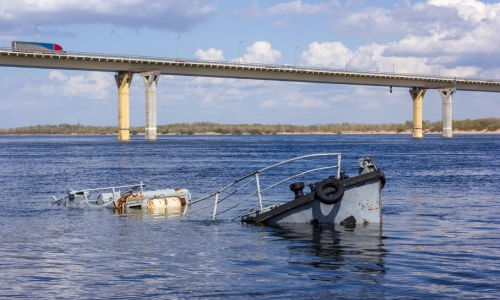 With so many boats, jet skis, and rental vessels on Lake Lanier, accidents can happen in seconds. Whether you’re in a quiet cove or navigating a busy channel, different types of boating incidents come with their own risks. Here are some of the most common situations that lead to injuries:
- Collisions between boats: These often occur when someone misjudges distance, cuts across another vessel’s path, or loses control in crowded areas.
- Jet ski and personal watercraft accidents: High speeds and sudden turns make jet skis prone to hitting boats, docks, or swimmers, especially with inexperienced operators.
- Alcohol-related boating accidents: Impaired judgment on the water can lead to slower reactions, poor visibility, and serious crashes.
- Speeding and reckless operation: Ignoring no-wake zones, weaving through traffic, or operating at unsafe speeds increases the risk of collisions and falls overboard.
- Overloaded or poorly maintained vessels: Too much weight or mechanical issues, like steering or engine failure, can cause boats to tip, stall, or lose control.
- Swimmer and diver injuries: These accidents often happen when operators fail to notice people in the water or ignore posted markers.
- Rental boat and marina negligence: Accidents can occur when rental companies fail to maintain their vessels or skip important safety instructions.
A wide range of accidents can happen on Lake Lanier, but they often lead to similar types of serious injuries. Understanding how these incidents occur can help you make sense of what you’re dealing with next.
Injuries Frequently Seen in Gainesville Boat Accidents
Boating accidents on Lake Lanier can lead to injuries that are often more severe than people expect. Open water, high speeds, and unpredictable conditions all play a role in how these incidents unfold. Safety organizations, including the CDC Water Safety program, highlight how quickly water-related situations can escalate, and that’s especially true on a busy lake like Lanier.
Common injuries include:
- Traumatic Brain Injuries (TBI): These can occur from striking the console, being thrown from the vessel, or hitting the water at high speed. Symptoms may not appear immediately.
- Spinal cord injuries: Sudden impacts, forceful falls, or diving-related accidents can lead to long-term mobility issues or chronic pain.
- Broken bones and fractures: Arms, legs, ribs, and wrists often absorb the force during a collision or when a passenger is thrown into the water.
- Drowning and near-drowning injuries: Panic, impact, or loss of consciousness can lead to oxygen deprivation and long-term complications.
- Severe cuts and lacerations: Propellers, metal edges, docks, and underwater debris can cause deep wounds requiring urgent care.
- Internal injuries: These may not be visible but can be life-threatening. Blunt-force trauma can damage organs or cause internal bleeding.
- Soft tissue injuries: Muscle tears, sprains, strains, and bruising are common after sudden jolts or impacts.
These injuries can affect your mobility, your ability to work, and your day-to-day life long after the accident. Understanding the nature of these injuries is an important step as you navigate your medical care and the legal process.
Liability in Georgia Boating Accidents
After a boat accident on Lake Lanier, one of the first questions you may have is, “Who’s actually responsible for what happened?” Determining liability on the water is often more complex than it is in car accidents. There may be several people or organizations involved, and each one plays a different role in keeping passengers safe.
The Georgia Boating Safety Handbook outlines the rules, operator responsibilities, and safety standards that help explain how accountability is evaluated after boating incidents.
Negligent Boat Operators
Many boating accidents are caused by someone who wasn’t operating their vessel safely. This can include:
- Speeding through crowded areas
- Ignoring no-wake zones
- Failing to keep a proper lookout
- Cutting across another boat’s path
- Operating a vessel while distracted or impaired
When another operator’s behavior creates dangerous conditions, they can be held responsible for the injuries that follow.
Boat Owners and Rental Companies
Responsibility doesn’t always fall on the person driving. Owners and rental companies may also be liable if they:
- Allowed an inexperienced or unqualified person to operate the boat
- Rented out a vessel with known mechanical issues
- Failed to provide proper safety equipment
- Neglected routine maintenance or inspections
On Lake Lanier, rental boats are extremely common, and issues with training or upkeep can easily contribute to an accident.
Mechanical Defects and Manufacturers
Some boating accidents are caused by equipment failure rather than operator error. A defective engine, steering issue, or faulty electrical system can cause a vessel to lose control. When this happens, boat manufacturers or equipment suppliers may bear responsibility for the defect.
Comparative Fault and How It Affects Compensation
Georgia uses a comparative fault system, which looks at how much each party involved contributed to the accident. This means:
- You can pursue damages if you’re less than 50% at fault
- Your recovery may be adjusted based on your portion of responsibility
Insurance companies often try to unfairly shift blame. Knowing how comparative fault works helps protect you from assumptions that aren’t supported by the facts. Understanding who may be responsible is only part of the picture.
Georgia has specific boating rules, safety regulations, and reporting requirements that apply after an accident, and knowing how these laws work can make your next steps much easier to navigate.
Understanding Georgia Boating Laws and Reporting Requirements
Georgia has a specific set of boating rules designed to keep everyone safer on the water, especially in high-traffic areas like Lake Lanier. After an accident, these laws play a major role in determining what you’re required to do, what the other party should have done, and how your claim moves forward. Understanding these rules doesn’t just help you stay informed; it also helps you feel more confident about the steps you’re taking.
Georgia DNR Boating Regulations
Georgia’s Department of Natural Resources oversees boating safety across the state, including:
- Required safety equipment
- Age and licensing requirements
- Rules for operating personal watercraft
- Right-of-way guidelines
- No-wake zones and restricted areas
Many accidents happen because someone ignored one of these safety requirements. When that happens, the violation can play a major role in determining who is responsible for the crash.
When You Must File an Accident Report
Not every boating mishap requires formal reporting, but Georgia law does require an official report in certain situations, including accidents that involve:
- Injury or loss of consciousness
- Death or disappearance
- Property damage over a specific amount
- A need for emergency medical treatment
Most reports are filed with the Georgia DNR, and timely reporting helps preserve important details about the incident.
Statute of Limitations for Boat Accident Claims
Just like other personal injury cases, Georgia sets a two-year statute of limitations for most boat accident claims. That means you generally have two years from the date of the incident to take legal action. While that might seem like plenty of time, boating cases often involve witness statements, maintenance records, and operator details that are harder to track down the longer you wait.
What To Do After a Boat Accident on Lake Lanier
A boating accident can leave you disoriented and unsure of what to do next, especially when it happens out on open water. The noise, the waves, and the confusion can make those first few minutes feel overwhelming. Taking a few steady steps can help protect your safety, preserve evidence, and make the aftermath easier to navigate.
Here’s what can help right away after a boat accident on Lake Lanier:
- Get yourself and others out of immediate danger: If possible, move to a safe spot away from additional boat traffic or hazards in the water.
- Check for injuries and call for help: Even if injuries seem minor, it’s important to get medical attention. Call 911 or signal for assistance if anyone is hurt or unresponsive.
- Report the accident to authorities: Georgia DNR or local law enforcement should be notified, especially if there are injuries, disappearance, or significant damage.
- Document as much as you can: Take photos or videos of the boats involved, the damage, your injuries, nearby markers or docks, and the surrounding conditions. Details disappear quickly on the water.
- Exchange information with the other operator: Gather names, contact details, vessel registration numbers, and insurance information.
- Speak with witnesses before they leave: Many people head back out onto the lake after a crash, getting their contact info early can make a big difference.
- Avoid making statements about fault: In the confusion, it’s easy to say something that gets taken the wrong way. Stick to the facts until you’ve had time to process what happened.
- Contact a Gainesville boat accident lawyer once you’re safe: Early guidance helps preserve evidence, protect your rights, and give you clarity during a stressful time.
Every boating accident affects people differently, and the financial impact can vary just as much as the physical injuries. Understanding what goes into the value of a boat accident claim can help you get a clearer picture of what your case may involve.
How Much Is a Gainesville Boat Accident Case Worth?
After a boating accident, it’s completely natural to wonder what your case might be worth, especially when medical bills start stacking up, and you’re trying to figure out how long it will take to get back on your feet. Boat accidents can be especially disruptive because the injuries are often more severe and the circumstances more complex than typical car crashes. Your case value depends on how your life has changed since the accident, not just what happened on the lake that day.
Several factors can influence the potential value of a boat accident case, including:
- The severity of your injuries: Being thrown into the water, struck by a vessel, or injured during impact can lead to long-term complications that require extensive care.
- Your medical treatment and future needs: Hospital visits, physical therapy, surgeries, medications, and follow-up care all contribute to the overall financial impact.
- Time away from work or disruptions to your income: Whether you missed a few days or face long-term limitations, lost wages play a major role in determining case value.
- How the accident affects your day-to-day life: Pain, anxiety around water, difficulty moving, and limitations on normal activities all matter; they’re part of your real experience.
- Long-term or permanent injuries: Chronic pain, reduced mobility, scarring, and disability can significantly increase the value of your claim because they affect your future, not just the present.
- Property damage: Damage to your boat, equipment, or personal belongings may be included as part of your total losses.
Because boating accidents often involve multiple parties, boat operators, rental companies, manufacturers, or marinas, assessing the full impact takes time. A clearer picture emerges as your medical treatment progresses and more information becomes available.
Why Work With a Gainesville Boat Accident Law Firm?
Handling a boat accident case is very different from dealing with a car crash or a slip-and-fall. The rules are unique, the evidence is harder to collect, and the conditions on Lake Lanier can make details disappear quickly. Working with a Gainesville boat accident law firm means you’re not trying to piece everything together alone; you have a team that understands how these cases unfold and what it takes to protect your rights.
Proven Support in Complex Water-Related Claims
Boating cases often involve multiple people, different insurance policies, and evidence that isn’t easy to gather after the fact. A legal team helps you track down operator information, rental agreements, maintenance records, and witness statements that may otherwise be lost. You gain clarity during a time when everything feels overwhelming and uncertain.
Advocacy When Insurance Companies Push Back
Insurance companies often approach boat accident claims with skepticism, especially when stories differ or when operators try to shift blame. Having someone speak on your behalf helps ensure your injuries, losses, and experiences aren’t minimized or overlooked. You get someone who protects your voice in a process that can feel stacked against you.
No Upfront Fees*
Recovering from a boating accident can already strain your finances. With contingency-fee representation*, you don’t have to worry about paying legal fees upfront. Your legal team is paid only if compensation is recovered on your behalf, giving you access to support without additional financial pressure.
Disclaimer: Contingent attorneys’ fees refers only to those fees charged by attorneys for their legal services. Such fees are not permitted in all types of cases. Court costs and other additional expenses of legal action usually must be paid by the client.
Schedule a Free Consultation With a Gainesville Boat Accident Lawyer Today
If you’re still trying to make sense of what happened on Lake Lanier, the injuries, the medical bills, the questions about fault, you don’t have to sort through everything alone. Talking with a Gainesville boat accident lawyer gives you space to breathe, understand your options, and feel supported by someone who knows how overwhelming these situations can be.
If you’re ready to take the next step, you can reach a Gainesville boat accident lawyer at (770) 334-4188. Give yourself a chance to share your story with someone who can help you move forward at your own pace.