

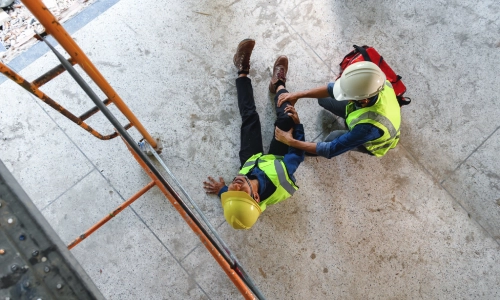
 Construction work keeps Gainesville growing, but the risks on a job site are real. When a fall, equipment failure, or safety lapse leaves you hurt, everything from your income to your long-term health can suddenly feel uncertain. It’s a heavy situation to face on your own.
A Gainesville construction accident lawyer gives you steady support when the process feels overwhelming. Instead of fighting with insurance companies or trying to navigate complicated Georgia worksite rules by yourself, you have someone to guide you, explain your options, and help you take the next practical step toward recovery.
Why Hire the CEO Lawyer as Your Gainesville Construction Accident Attorney?
Construction accidents aren’t like everyday injury cases; the rules are different, the paperwork is heavier, and several companies may be involved. When you’re suddenly dealing with doctors, missed paychecks, and pressure from insurers, it helps to have someone who understands how these situations actually unfold on Gainesville job sites.
A Gainesville construction accident attorney from the CEO Lawyer team can step in to protect your rights, organize the details, and help you move forward with confidence instead of confusion.
Local Experience With Gainesville Worksite Injury Cases
Construction projects across Gainesville, from roadway expansions to commercial builds, tend to follow similar patterns when accidents occur. The CEO Lawyer team is familiar with the safety issues, common hazards, and worksite setups seen throughout North Georgia.
This experience helps identify what went wrong, who may be responsible, and what evidence needs to be preserved right away.
Results-Driven Representation for Injured Workers
After a serious construction accident, you’re facing more than just medical bills. You may be out of work, struggling with pain, or worried about long-term recovery.
The CEO Lawyer team focuses on building a strong claim supported by documentation, safety records, witness accounts, and any available evidence that shows how the accident happened. Their goal is to provide you with steady guidance and practical steps to help you protect your future while you focus on healing.
Common Types of Construction Accidents in Gainesville
Construction sites across Gainesville come with a mix of hazards, heavy equipment, unfinished structures, electrical systems, and constant movement between workers and machinery. When something goes wrong, injuries can happen fast and often result from standard yet preventable errors.
In fact, NIOSH Construction Safety data show that falls from roofs, ladders, and scaffolds remain among the leading causes of serious injuries and deaths in construction.
- Falls from heights: Falls remain one of the most common construction hazards. Whether you fell from a roof edge, platform, or unfinished structure, height-related accidents often lead to serious injuries that require immediate medical attention.
- Scaffolding and ladder accidents: Scaffolding or ladder failures can occur when equipment is unstable, improperly secured, or not maintained. Even a relatively short fall can be serious when safety protections aren’t in place.
- Heavy machinery and equipment accidents: Bulldozers, excavators, loaders, and other large machines are common on Gainesville job sites. When they malfunction, reverse suddenly, or are operated without proper coordination, the results can be catastrophic.
- Electrocutions and power line injuries: Working near live wires, faulty equipment, or overhead power lines can create life-threatening conditions. These hazards are especially acute in early-phase construction.
- Trench collapse accidents: Excavation work carries its own set of risks. A trench collapse can trap or crush workers when soil, water, or reinforcement fails.
- Forklift and crane accidents: These machines serve essential jobs but become dangerous when overloaded, poorly maintained, or operated in tight spaces. A misstep here can cause major injury to workers or bystanders.
- Tool and machinery malfunctions: Defective tools, worn equipment, or sudden mechanical failures often lead to injuries, even during routine tasks.
- Falling object injuries: Materials dropped from above, such as tools, debris, or unsecured equipment, can cause serious head, neck, or back injuries, even to workers who weren’t directly involved in the primary accident.
Who Is Liable for a Construction Accident in Gainesville?
After a construction accident, figuring out who is actually responsible is one of the most important steps in your case. Unlike typical injury claims, construction sites often involve many companies working side by side, each with different roles, responsibilities, and safety obligations.
When something goes wrong, liability may fall on more than one party. Understanding these layers can help you see how your injury may have occurred and why a thorough investigation matters.
Employer Liability
Your employer is typically responsible for providing a safe work environment, proper training, and functional safety equipment. While workers’ compensation usually prevents you from suing your employer directly, their role in the accident may still influence how your benefits are handled and what additional claims may apply.
Third-Party Liability
Many construction accidents involve companies other than your employer. This might include subcontractors working nearby, outside crews performing specialized tasks, or vendors who created dangerous conditions.
If a third party’s actions, or lack of proper safety measures, contributed to your injury, you may have the right to file a separate personal injury claim.
Contractors, Subcontractors, and Equipment Manufacturers
General contractors and subcontractors must coordinate work safely and ensure their teams follow proper procedures. When they fail to secure equipment, oversee high-risk tasks, or follow safety standards, they may be held accountable.
Equipment manufacturers can also be liable if a defective tool, faulty machinery, or unsafe product design contributed to your accident.
Construction sites in Gainesville often involve several moving parts and overlapping responsibilities. Identifying every responsible party is key to making sure no one avoids accountability and that you receive the support you need while recovering.
Construction Accident Compensation in Georgia
A construction injury can affect nearly every part of your life, your ability to work, your long-term health, and your financial stability. In Georgia, compensation depends on the details of your accident and who may be responsible, but the goal is always the same: making sure you’re not left carrying the full burden of an injury that happened on the job.
Understanding the types of compensation available can help you plan your next steps with more clarity.
Workers’ Compensation Benefits
If you were injured while performing your job, workers’ compensation may cover medical treatment, partial wage replacement, and disability benefits. Georgia requires employers to follow specific insurance and reporting rules, many of which are outlined by the Georgia Office of Insurance and Safety Fire Commissioner, which oversees workplace insurance compliance and safety practices.
These guidelines help ensure injured workers receive the benefits they’re entitled to under state law.
Personal Injury Claims for Construction Workers
Workers’ comp doesn’t cover everything, and it doesn’t allow you to seek damages for pain, suffering, or full lost income. If a negligent third party, such as a subcontractor, equipment manufacturer, or outside vendor, contributed to your accident, you may have the right to file a separate personal injury claim.
This can significantly increase the resources available for your recovery.
Damages You May Be Entitled To
Depending on the circumstances of your accident, you may be able to pursue compensation for:
- Medical bills (current and future)
- Lost wages and reduced earning capacity
- Pain and suffering
- Permanent disability or scarring
- Long-term care needs, rehabilitation, or mobility support
- Out-of-pocket expenses related to your recovery
These forms of compensation reflect not just the injury itself, but the full impact it has had, and will continue to have, on your life moving forward.
What to Do After a Construction Accident in Gainesville
A construction accident can leave you shaken, hurt, and unsure what to do next. Taking a few organized steps right away can protect your health and strengthen any future claim you may choose to pursue.
Here’s what you can do after an accident on a Gainesville job site:
- Report the accident immediately: Notify your supervisor, site manager, or foreman as soon as possible. Make sure the incident is documented in writing.
- Seek medical care right away: Even if you think the injury is minor, have a doctor evaluate you. Some injuries, especially head, back, or internal injuries, may not show symptoms at first.
- Document the scene: If possible, take photos or videos of where the accident occurred, the equipment involved, visible injuries, or any unsafe conditions.
- Gather witness information: Co-workers, subcontractors, or others on-site may have seen what happened or noticed hazards leading up to the accident.
- Preserve any evidence: Keep any damaged equipment, torn gear, or broken tools. Do not repair or modify anything before speaking with an attorney.
- Avoid giving recorded statements: Insurance companies may reach out quickly. Stick to basic facts and avoid signing documents or giving statements before understanding your rights.
- Speak with a Gainesville construction accident lawyer: An attorney familiar with construction injury claims can help protect evidence, explain your options, and guide you through both workers’ compensation and potential third-party claims.
Understanding Georgia Construction Accident Law
Construction accidents aren’t handled the same way as ordinary injury claims. Georgia law has specific rules that determine who may be responsible, how long you have to file a claim, and what evidence is needed to show that safety standards were ignored.
Knowing the basics can help you feel more prepared as your case moves forward.
Negligence in Worksite Injury Cases
To pursue a personal injury claim beyond workers’ compensation, you must show that someone other than your employer acted negligently. This might include unsafe equipment use, ignored hazard warnings, or work being performed in violation of safety procedures.
Many of these protections are supported by guidelines found in the OSHA Construction Standards, which outline how worksites should be arranged, maintained, and monitored to prevent avoidable accidents.
Statute of Limitations in Georgia
Most construction-related injury claims in Georgia must be filed within two years, but evidence can disappear long before that deadline. Delays in reporting, shifting work crews, or missing paperwork can make it harder to prove what truly caused the accident.
Acting early gives you the best chance of preserving witness accounts and securing important documentation.
OSHA Regulations and Worksite Safety Standards
Construction companies, subcontractors, and site supervisors are expected to follow specific federal safety rules. These include requirements for fall protection, trench reinforcement, equipment inspections, and proper handling of electrical systems.
When contractors ignore these standards, they may be held accountable if those violations contributed to your injury.
How Much Is a Gainesville Construction Accident Case Worth?
Every construction accident affects people differently, so there’s no single number that applies to every case. The value of your claim depends on the severity of your injuries, how long you’re unable to work, and the long-term impact on your health and daily life.
Instead of focusing on averages, the goal is to understand how the accident changed your circumstances and what support you’ll need moving forward.
Some of the key factors that influence the value of a construction accident case in Gainesville include:
- Medical costs: Emergency care, follow-up visits, physical therapy, surgeries, and future treatment needs.
- Lost wages: Paychecks missed while you recover or if your injury prevents you from returning to your previous job.
- Reduced earning ability: If your injuries affect your ability to work long-term, this can significantly increase the value of your claim.
- Pain and suffering: The physical discomfort, emotional strain, and long-term limitations caused by the accident.
- Permanent disability or scarring: Life-changing injuries often carry higher compensation because they affect independence and quality of life.
- Future care needs: In-home assistance, mobility devices, home modifications, or ongoing therapy may be included if your injuries require it.
- Out-of-pocket expenses: Transportation, prescription costs, and other expenses tied directly to your recovery.
Because construction sites often involve multiple responsible parties, contractors, subcontractors, equipment suppliers, or third-party crews, a thorough investigation can help determine the full extent of your damages. The goal is to make sure you’re not left absorbing costs that should have been prevented in the first place.
Schedule a Free Consultation With a Gainesville Construction Accident Law Firm Today
You don’t have to sort through the aftermath of a construction accident on your own. When you’re balancing medical appointments, pain, missed work, and pressure from insurance companies, a conversation with a Gainesville construction accident lawyer can help you understand your rights and regain a sense of direction.
This is your opportunity to ask questions, explain what happened, and get guidance that reflects the reality of your situation, without any obligation.
If you want to learn more about your options or how different types of injury claims work, speak with our Gainesville personal injury lawyer. Call (470) 323-8779 to schedule your free consultation.