




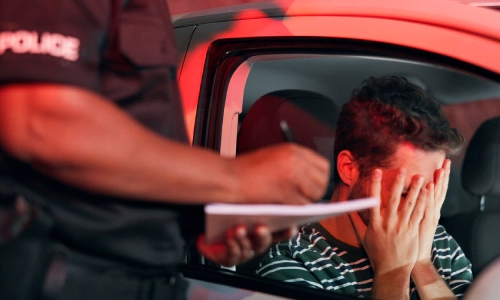
 It feels very unfair when a drunk driver causes your accident. Because someone made a bad choice to drive while drunk, you now have serious injuries, rising medical bills, and time off work. Thus, you have every right to be mad and to ask for money.
Drunk driving accidents are preventable tragedies. When an impaired driver causes harm, Texas law allows you to seek compensation for your injuries, lost wages, and the pain you experience.
At the CEO Lawyer Personal Injury Law Firm, our DUI accident legal team serving clients across Houston helps victims hold drunk drivers accountable for their reckless actions. Our legal team serving Houston handles cases related to drunk driving injury claims. We are here, ready to fight to secure the full recovery you deserve while you focus on healing.
What to Do After a Drunk Driving Accident in Houston
The steps you take after a drunk driving crash can significantly impact your ability to seek compensation later. Here’s what matters most in protecting your health and legal rights.
Seek Immediate Medical Attention
Get checked by a medical professional even if you feel okay. Some injuries from drunk driving crashes don’t show symptoms immediately.
Head injuries, internal bleeding, and soft tissue damage can worsen over time. Medical records from immediately after the accident also create crucial documentation linking your injuries to the crash.
Don’t let the drunk driver or their insurance company minimize what happened. Getting prompt medical care protects both your health and your legal rights.
Report the Crash and Obtain a Police Report
Always call 911 after a drunk driving accident. Police officers can conduct field sobriety tests and document signs of impairment at the scene.
This official police report becomes vital evidence in your civil claim. The responding officer’s observations about the driver’s behavior, appearance, and condition carry significant weight.
If the driver gets arrested for DWI, that criminal case runs separately from your personal injury claim. You can pursue compensation through a civil lawsuit regardless of the outcome of the criminal case.
Contact a Drunk Driving Legal Team Serving Houston Early
Insurance companies often contact victims quickly after drunk driving accidents, hoping to settle before you understand the full extent of your injuries. Having a drunk driver injury legal team serving Houston on your side protects you from being pressured into accepting an inadequate settlement.
Our team can handle communications with insurance adjusters, preserve evidence, and start building your case while you focus on healing. Whether it’s a drunk driving crash or another type of collision on the road, our personal injury legal team serving Houston has the experience to handle complex injury claims.
Understanding Liability in Houston Drunk Driving Accident Claims
Drunk driving cases involve both criminal and civil legal systems. Understanding how these systems work differently helps clarify what to expect.
The Difference Between Criminal and Civil Drunk Driving Cases
The criminal DWI case focuses on punishing the drunk driver. The state prosecutes, with the goal of conviction and imposing penalties such as jail time, fines, or license suspension. You’re a witness in the criminal case, not a party to it.
Your personal injury claim is separate. This case focuses on compensating you for medical bills, lost wages, pain and suffering, and other damages.
You’re the plaintiff, and you seek financial recovery directly from the drunk driver (and their insurance).
If you are convicted of DWI, it can help your civil case, but you don’t need to be convicted of a crime to receive compensation. In civil cases, the burden of proof is lower.
You only need to prove and provide evidence that the driver was careless and that this carelessness led to your injuries.
Proving Negligence and Impairment
Texas law requires drivers to operate their vehicles safely and follow traffic laws. Driving while intoxicated violates these duties.
An intoxicated driver accident claim typically involves proving:
- The driver consumed alcohol or drugs before getting behind the wheel
- Their impairment caused them to drive negligently
- This negligent driving directly caused the accident
- The accident resulted in your injuries and damages
Police reports, blood alcohol test results, witness statements, surveillance footage, and expert testimony are all pieces of evidence that support these points. Under Texas law, chemical test results that show a BAC of 0.08% or higher are strong evidence of impairment.
Alcohol impairment significantly increases crash risk even at lower BAC levels.
When Bars or Restaurants May Share Liability (Dram Shop Claims)
The place that served alcohol to the drunk driver is sometimes also to blame. Texas dram shop laws say that if a bar, restaurant, or other business that serves alcohol serves it to someone who is clearly drunk and that person then causes an accident, the business or a company can be held responsible.
Proving a dram shop claim requires evidence that:
- The establishment served alcohol to someone who was obviously intoxicated at the time.
- That intoxication was a proximate cause of the accident.
These cases can be complex because you must show the person’s intoxication was apparent to the server or bartender. Security footage, witness testimony, and receipts showing the amount of alcohol served all become critical evidence.
Dram shop claims can provide additional compensation sources, especially when the drunk driver has minimal insurance coverage.
Common Injuries in Drunk Driving Crashes
Drunk drivers cause some of the most severe accidents on Houston roads, and impaired driving remains a leading cause of traffic fatalities across the country. Impaired reaction times, poor judgment, and excessive speed often result in high-impact collisions.
Head and Spinal Cord Injuries
Traumatic brain injuries and spinal cord damage frequently occur in drunk driving crashes. These catastrophic injuries can cause permanent disabilities, requiring ongoing medical treatment and drastically changing your quality of life. Victims may face paralysis, cognitive impairments, or chronic pain that never fully resolves.
The long-term costs of treating head and spinal injuries run into hundreds of thousands or even millions of dollars. Securing adequate compensation requires carefully calculating future medical needs and lost earning capacity.
Broken Bones and Internal Trauma
High-force collisions cause broken bones, crushed limbs, and internal organ damage. These injuries often require surgery, lengthy hospital stays, and months of rehabilitation.
Some victims need multiple surgeries or deal with complications that extend recovery indefinitely.
Internal injuries can be life-threatening if not caught quickly. Internal bleeding, ruptured organs, and damaged blood vessels require immediate emergency treatment.
Emotional and Psychological Effects
The physical injuries tell only part of the story. Many drunk driving accident victims develop post-traumatic stress disorder, anxiety, or depression.
You might feel nervous driving, experience flashbacks of the crash, or struggle with anger about what happened. These psychological injuries also deserve fair compensation. Organizations like Mothers Against Drunk Driving (MADD) offer support resources for victims and families dealing with the aftermath of impaired driving crashes.
Mental health treatment, therapy, and medication costs should be included in your claim. The emotional impact of knowing someone’s selfish decision to drive drunk caused your suffering adds another layer of trauma.
Compensation Available for Drunk Driving Accident Victims
Texas law allows drunk driving accident victims to seek several types of compensation.
Medical Expenses, Lost Income, and Pain and Suffering
Your claim can include compensation for all medical treatment related to the accident, including emergency care, surgery, hospital stays, medication, physical therapy, and future medical needs. If your injuries prevent you from working, you can seek compensation for lost wages and reduced earning capacity.
Pain and suffering damages compensate you for physical pain, emotional distress, and reduced quality of life. These damages acknowledge that some losses can’t be measured in dollars and cents but still deserve recognition.
Punitive Damages and Wrongful Death Compensation
Texas courts may award punitive damages in drunk driving cases. Unlike compensatory damages that reimburse your losses, punitive damages punish the drunk driver’s reckless behavior and deter others from making similar choices.
Not every case qualifies for punitive damages, but drunk driving accidents often meet the legal standard because driving while impaired demonstrates gross negligence.
If a drunk driver killed your loved one, you may have grounds for a wrongful death claim. These claims seek compensation for funeral expenses, loss of financial support, and the emotional devastation of losing someone you love to a preventable tragedy.
How the CEO Lawyer Personal Injury Law Firm Helps Victims of Drunk Driving Accidents
Building a strong DWI accident case requires thorough investigation and strategic legal advocacy. We approach each case knowing that you’re counting on us to get this right.
Investigating the Driver’s Impairment
We dig deeper than the police report. Our impaired driving accident legal team serving Houston obtains toxicology reports, surveillance footage from nearby businesses, and cell phone records that might show the driver was texting while impaired.
Aside from that, we interview witnesses and reconstruct the accident to show exactly how the driver’s impairment caused the crash. If the driver refused chemical testing, we can still build a strong case using officer observations, witness statements, and accident reconstruction.
Gathering Police Evidence and Expert Testimony
Police reports provide the foundation, but expert witnesses often make the difference in drunk driving cases. We work with accident reconstruction experts who analyze skid marks, vehicle damage, and impact forces to show how the crash occurred. Medical experts testify about your injuries and future medical needs. Toxicology experts explain how alcohol affects driving ability and reaction times.
This expert testimony helps jurors understand the full picture of how the drunk driver’s negligence destroyed your life.
Building a Strong Personal Injury Case
Insurance companies often attempt to minimize payouts, even in drunk driving cases. They might argue you were partially at fault, that your injuries aren’t as severe as you claim, or that you’re exaggerating your pain. Our car accident legal team serving Houston anticipates these tactics and builds comprehensive cases that leave no room for these arguments.
We handle all negotiations with insurance adjusters, keeping you informed while protecting you from being taken advantage of during a vulnerable time. If the insurance company refuses a fair settlement, we’re prepared to take your drunk driving lawsuit in Houston to trial.
Schedule a Free Consultation With a Drunk Driving Accident Legal Team Serving Houston
You didn’t ask for any of this. A drunk driver made a selfish choice that changed your life. While we can’t undo what happened, we can fight to make sure you receive full compensation for your injuries and losses.
Our personal injury legal team serving Houston has helped many families navigate the aftermath of drunk driving crashes. We understand the medical, financial, and emotional challenges you’re facing. We also know how to hold drunk drivers and their insurance companies accountable.
Contact the CEO Lawyer Personal Injury Law Firm today at (281) 680-4380 for a free consultation.
Disclaimer: Prior case outcomes are not indicative of future results, as the outcome of every legal matter is determined by its individual facts and merits. The material presented here is strictly for informational purposes and is not intended to be legal advice. Contingent attorneys’ fees refer only to those fees charged by attorneys for their legal services. Such fees are not permitted in all types of cases. Court costs and other additional expenses of legal action usually must be paid by the client.