


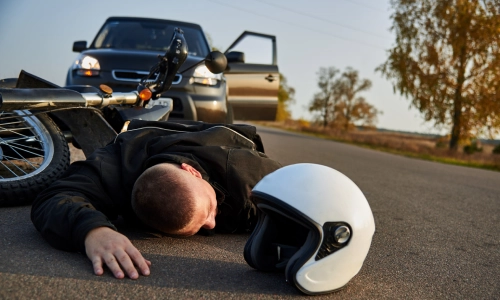
 Motorcycle accidents are different from other crashes, and you already know that. The injuries are often more severe, the recovery is much longer, and the insurance companies are more skeptical. You’re dealing with serious physical harm while also facing the unfair assumption that riders are somehow more reckless or responsible for their own accidents. That bias is real, and it affects how your claim gets handled.
At the CEO Lawyer Personal Injury Law Firm, our motorcycle crash legal team serving Houston and the surrounding areas understands what you’re up against. Motorcyclists face unique challenges on Houston roads, including drivers who fail to check blind spots, road hazards that cars can easily navigate, and a legal system where insurance companies often blame the rider by default. You need someone who understands motorcycle accidents specifically and won’t let insurers get away with these tactics.
Our injury legal team serving Houston knows that most motorcycle accidents happen because other drivers weren’t paying attention, not because riders were being careless. You deserve compensation for your injuries, and we’re here to fight for it.
What to Do After a Motorcycle Accident in Houston
The moments after a motorcycle crash can be disorienting, but the steps you take now matter for your claim later.
Seek Medical Help and Document Injuries
Get medical attention immediately, even if you think you’re okay. Adrenaline masks pain, and some injuries don’t show symptoms right away. Motorcycle accidents often cause serious injuries such as head trauma, broken bones, road rash, and spinal damage that need professional evaluation.
Medical records created immediately after the accident establish the link between the crash and your injuries. Gaps in treatment give insurance companies ammunition to argue your injuries aren’t as serious as you claim.
Take photos of your injuries, your damaged motorcycle, and the accident scene if you’re physically able. These images preserve evidence that disappears quickly.
Report the Crash and Gather Evidence
Call 911 and get police to the scene. You need an official accident report, especially since insurance companies will try to question what happened. Proper accident documentation and understanding motorcycle safety laws help establish fault in crash claims.
Get contact information from any witnesses. Other drivers or bystanders who witnessed the incident can verify that the other driver failed to yield, changed lanes without looking, or otherwise caused the crash.
Don’t make statements about fault to anyone except the police. Insurance adjusters will contact you quickly, and anything you say can be twisted against you.
Why You Should Contact a Lawyer Early
Motorcycle accident cases face unique challenges. Insurance companies often assume riders share fault or were speeding, even without evidence to support this assumption. Having a motorcycle injury legal team serving Houston on your side early counters these biases and protects you from early settlement offers that don’t cover your actual damages.
We handle communications with insurance companies, allowing you to focus on healing. Early legal representation also ensures crucial evidence gets preserved before it disappears.
How Motorcycle Accident Claims Work in Houston
Understanding the legal process helps you know what to expect as your claim moves forward.
Understanding Fault and Negligence
Texas uses a modified comparative negligence system. If you’re found partially at fault for the accident, your compensation gets reduced by your percentage of fault. If you’re more than 50% responsible, you can’t recover anything.
This creates problems in motorcycle cases because insurance companies routinely try to pin partial blame on riders. They’ll claim you were speeding, weaving through traffic, or should have avoided the accident. Building a strong case with evidence counters these arguments.
Proving the other driver’s negligence requires showing that they owed you a duty of care because all drivers must, at all times, follow traffic laws when driving. They breached that duty (failed to check blind spots, ran a red light, etc.), and their breach directly caused your injuries.
Working With Insurance Companies
Insurance adjusters don’t have your interests at heart, even your own insurance company. They’ll minimize your injuries, question whether you were wearing proper gear, and look for any reason to reduce what they owe you.
The National Highway Traffic Safety Administration tracks motorcycle crash data showing that most accidents result from other drivers’ failures, not rider error. This data helps counter insurance company assumptions.
Don’t accept the first settlement offer. Initial offers rarely account for long-term medical needs, ongoing pain, or the full impact the accident has on your life. Our motorcycle crash legal team serving Houston negotiates from a position of strength, using thorough documentation of your damages.
Time Limits for Filing Motorcycle Accident Lawsuits
Texas law gives you two years from the accident date to file a personal injury lawsuit. Missing this deadline bars your claim entirely, no matter how strong your case.
Two years might seem like plenty of time, but gathering evidence, completing medical treatment, and building a strong case takes longer than you’d expect. Starting early ensures you don’t run out of time.
Common Causes of Motorcycle Accidents in Houston
Understanding how motorcycle accidents happen helps establish liability in your case.
Driver Inattention and Blind Spots
The most common cause of motorcycle accidents is that other drivers are not attentive or looking at other drivers who are also on the road. Drivers fail to check blind spots before changing lanes, don’t look carefully at intersections before turning, or claim they “didn’t see” the motorcycle even though it was clearly visible.
Left-turn accidents are particularly common where cars turning left in front of oncoming motorcycles misjudge speed or distance. These crashes often cause catastrophic injuries because the motorcycle has little time to react.
Speeding and Reckless Driving
When drivers speed, run red lights, or drive aggressively, motorcyclists suffer the consequences. Cars can often survive these kinds of crashes with minor damage. Motorcycles and their riders cannot.
Our negligent driver legal team investigates whether the other driver was distracted, impaired, or violating traffic laws at the time of the crash. Evidence like traffic camera footage, witness statements, and accident reconstruction helps prove reckless driving.
Poor Road Conditions and Weather
Road hazards that barely affect cars can be deadly for motorcycles. Potholes, uneven pavement, gravel, wet roads, or debris in the road can cause riders to lose control. Sometimes, government entities or contractors responsible for road maintenance share liability for accidents caused by poor road conditions.
Weather conditions including rain, high winds, or poor visibility increase accident risks. While the weather itself isn’t negligence, drivers who fail to adjust their behavior to conditions can be held liable.
Common Motorcycle Accident Injuries
Motorcycle accidents tend to cause more severe injuries than car crashes because riders have far less protection.
Traumatic Brain Injuries (TBI)
Head injuries are always one of the worst things that can happen in a motorcycle accident. Riders can still get very hurt, even if they wear helmets. This includes concussions, skull fractures, and traumatic brain injuries (TBIs). These injuries often have long-lasting effects, like cognitive impairment, big changes in personality, and disabilities that last a lifetime. Even though rider education and protective gear are very important, the most careful riders can still get these serious, life-changing injuries because other drivers are careless.
TBI symptoms sometimes don’t appear immediately. You might feel fine at the scene but develop symptoms days later. This is why immediate medical evaluation is critical.
Road Rash and Fractures
Road rash occurs when skin scrapes against pavement. Severe road rash causes deep tissue damage requiring skin grafts and leaving permanent scarring. These injuries are painful, prone to infection, and take months to heal.
Broken bones are common in motorcycle crashes, including arms, legs, ribs, collarbones, and pelvis. Multiple fractures often require surgery, metal plates, pins, and extensive rehabilitation.
Long-Term Rehabilitation Needs
Many motorcycle accident victims face months or years of physical therapy, occupational therapy, and ongoing medical treatment. Some injuries never fully heal, leaving you with chronic pain or permanent disabilities that affect your ability to work and enjoy life.
Calculating these long-term costs is crucial for ensuring your motorcycle accident compensation covers all your future needs, not just immediate medical bills.
Compensation for Motorcycle Accident Victims
Texas law allows motorcycle accident victims to seek various types of compensation depending on the severity of injuries and circumstances.
Medical Costs and Lost Wages
Your claim should include all medical expenses such as emergency treatment, surgery, hospital stays, medication, physical therapy, and future medical needs. If your injuries prevent you from working, you can seek compensation for lost wages and reduced earning capacity.
Motorcycle accidents often cause injuries that permanently affect your ability to do physical work or require career changes. These long-term financial impacts deserve full compensation.
Pain, Suffering, and Disfigurement
Beyond financial losses, you can seek compensation for physical pain, emotional distress, and reduced quality of life. Scarring and disfigurement from road rash or other injuries cause both physical discomfort and emotional trauma.
Many motorcycle accident victims develop anxiety about riding or even being in traffic. These psychological impacts are real damages that should be included in your motorcycle accident claims.
Wrongful Death Compensation for Families
When motorcycle accidents result in death, surviving family members can pursue wrongful death claims. These claims seek compensation for funeral expenses, loss of financial support, loss of companionship, and the emotional devastation of losing someone you love.
Our fatal motorcycle accident legal team handles these cases with the sensitivity they deserve while pursuing full accountability from the responsible parties.
How the CEO Lawyer Personal Injury Law Firm Helps Motorcycle Accident Victims
Motorcycle accident cases require an understanding of both the unique dynamics of motorcycle crashes and the biases these cases face.
Investigating the Accident and Liability
We conduct thorough investigations to establish exactly how the accident occurred and who bears responsibility. This includes reviewing police reports, interviewing witnesses, examining the accident scene, and working with accident reconstruction experts when needed.
We also investigate the other driver’s history: prior accidents, traffic violations, or patterns of negligent behavior that strengthen your case. Similar to how our car accident legal team serving Houston handles vehicle collision cases, we gather comprehensive evidence to counter insurance company tactics.
Negotiating Fair Settlements
Insurance companies count on motorcycle accident victims accepting inadequate settlements. They know you’re dealing with medical bills and financial pressure. We don’t let them take advantage of that situation.
We calculate the full value of your claim, including all current and future damages. Strong documentation and aggressive negotiation often result in fair settlements without needing trials.
Taking Cases to Trial When Necessary
Some insurance companies refuse to offer reasonable settlements, betting that you won’t follow through with litigation. We’re prepared to take your case to trial when necessary. Our experience in the courtroom gives us credibility during negotiations because insurers know we won’t back down.
Schedule a Free Consultation Today
Motorcycle accidents leave you facing serious injuries, mounting bills, and insurance companies that seem determined to minimize what you’re owed. You don’t have to handle this alone while trying to recover.
We handle motorcycle accident cases exclusively on a contingency fee basis, meaning you owe us nothing unless we secure compensation for you. Whether your situation involves serious personal injuries, permanent disability, or the tragic loss of a loved one, we are committed to fighting for the justice you deserve. Don’t allow insurance companies to exploit your vulnerability; let us protect your rights during this challenging period.
Our injury legal team serving Houston has helped many riders and their families pursue compensation after crashes caused by negligent drivers. We understand the unique challenges these cases present, and we won’t let insurance companies use bias against motorcyclists to underpay your claim.
Contact the CEO Lawyer Personal Injury Law Firm today at (281) 680-4380 for a free consultation.
Disclaimer: Prior case outcomes are not indicative of future results, as the outcome of every legal matter is determined by its individual facts and merits. The material presented here is strictly for informational purposes and is not intended to be legal advice. Contingent attorneys’ fees refer only to those fees charged by attorneys for their legal services. Such fees are not permitted in all types of cases. Court costs and other additional expenses of legal action usually must be paid by the client.