

 Known as a resort town, Boca Raton features attractions, including beaches, parks, sports stadiums, and a lively historical district. Unfortunately, a day of pleasant activities can end quickly if another party’s negligence injures you.
From car accidents to boating mishaps to defective product issues, a personal injury may lead to medical bills, missed time at work, physical or emotional pain and suffering, property damage, and other losses. How can you ensure your damages are covered?
Contact a Boca Raton Personal Injury Attorney Today
Obtaining the compensation you deserve after a personal injury is essential, but for many people, it’s also challenging. The at-fault party might blame you, and their insurance carrier will likely agree.
The insurance adjuster may also undervalue your claim, costing you thousands of dollars. Determining an appropriate value for your claim is a complex process requiring knowledge and experience that the average layperson doesn’t have, making it difficult to know if an insurance company’s settlement offer is fair.
An experienced Boca Raton personal injury attorney can help you with all these issues. At the CEO Lawyer Personal Injury Law Firm, we’ll evaluate your claim, answer your questions, and explain the options for recovering damages.
Have you already received a denial on an insurance claim? Or are you considering a settlement offer?
We can review denials and offers as well, and if there’s a way to appeal a denial, we’ll discuss the possibilities. Additionally, we’ll calculate the value of your claim and compare it to the insurance company’s offer so you can make an educated decision.
If you want to fight for a better deal, we can negotiate with the insurance carrier on your behalf, allowing you to focus on your recovery.
How Is Fault Determined in a Personal Injury Case?
More often than not, fault is determined by a negotiation between two insurance companies or by a single insurance company’s investigation. If you don’t have an attorney and file a claim yourself, these are the two most likely ways for your claim to be resolved.
Sometimes, people attempt to negotiate with the insurance company on their own. They may be unsatisfied with the insurance company’s offer or disagree with its decision, so they call the insurance adjuster to discuss the situation.
Unfortunately, this rarely ends well for the policyholder. Unless you are an insurance professional for the company, the adjuster is probably more knowledgeable about your policy and applicable laws than you are.
In many situations, policyholders inadvertently make things worse because the insurance adjuster may misinterpret some of their statements to mean they are at fault. In the most favorable case, the insurance adjuster will maintain their position.
What if you have an attorney? We’ll negotiate with the insurance company for you.
Our experienced legal team knows all the nuances of personal injury and insurance law in Florida, and we’re familiar with the tricks insurance companies use to get out of paying claims. We’ll hold the insurance company accountable and fight to get you the settlement you deserve.
Although most cases are resolved through negotiations, in rare situations, we will argue your case in court.
How Does Florida’s “No-Fault” Car Insurance Law Work?
Florida uses a “no-fault” law for most car accidents, under which every resident must buy Personal Injury Protection or PIP insurance and Property Damage Liability. PIP is no-fault insurance that pays for up to 80 percent of your medical bills and related damages after an accident without needing to prove who was at fault.
However, the policy limit on PIP is $10,000, so if you have very severe injuries, you could still have extensive medical bills. You do, however, have the option to add Medical Payments or MedPay coverage to your policy, which will give you additional no-fault coverage.
What if your medical bills are considerably larger than your insurance coverage? Florida does allow lawsuits in these circumstances, but you must prove the other driver was at fault; under the state’s comparative negligence laws, you will lose any percentage of fault you are found to have in the accident from your final award.
For this reason, it’s essential that you speak with a lawyer right away after a severe accident. Your attorney will work to locate evidence to demonstrate the other driver was entirely or mainly at fault so that you can recover a favorable settlement.
How Can You Seek Compensation After A Boat Accident?
While boating accidents aren’t quite as common as car accidents, there are still thousands of boats registered in Boca Raton and neighboring areas, and a negligent boater can cause severe injuries and property damage. In some cases, the boat owner’s insurance may be available to pay for your damages, but boat accidents can be complicated, with multiple potentially liable parties.
Here are some common causes of boat accidents:
- Intoxicated boating. Anyone who operates a boat in Florida, whether or not they own the boat, is expected to obey the law and drive the boat safely. As with driving a car under the influence, boating under the influence is illegal and has the same legal limit of 0.08 percent. If the boater who hit you was intoxicated, they may be at fault for the accident. However, there are sometimes issues with proving who was operating the boat at the time of the accident, so it’s essential to seek legal help immediately.
- Inexperienced boaters. Florida doesn’t have boating licenses, but requires a Florida Boating Safety course certification for anyone who wants to operate a boat. If an inexperienced boater caused an accident, they could be at fault, but the boat owner who allowed them to pilot the boat might also have been negligent.
- Inattentive boaters. Unfortunately, distracted boating is a problem on the water, just like distracted driving is a problem on the road. Even if your boat has an autopilot feature, an experienced boater should always be on duty, watching the weather, other watercraft, and any potential problems that might cause an accident.
- Speeding. Once you get out on the water, you may find plenty of distance between your boat and other vessels, so a faster speed seems reasonable. Unfortunately, faster speeds make stopping harder if an unexpected problem arises, and higher speeds increase the risk of injury. If you believe another boater was speeding when they struck your boat, they may be at fault.
- Engine or mechanical issues. This is another situation where culpability isn’t always immediately apparent. If a mechanical problem caused the accident, whose fault is it? It could be the boat owner’s fault if they failed to perform reasonable maintenance or put off fixing a known problem. On the other hand, if the boat had a defect straight from the manufacturer and the owner had no way of knowing about it, the manufacturer could be to blame. A service worker or technician who made a mistake in servicing the vessel could also be at fault. Your lawyer will carefully examine the evidence to learn more about what happened.
- Weather. Storms, strong winds, fog, and other situations that affect visibility can all contribute to boating accidents. A conscientious boater should always check the weather before heading out and err on the side of caution.
After working to establish the cause of a boat accident and potential liability, your lawyer will also consider the cause of your injuries. In some cases, your injuries might have been worsened by another party’s negligence, regardless of who caused the crash.
For instance, if the boat owner didn’t ensure enough flotation devices or follow other safety standards, you might have suffered more severe injuries than you would have otherwise.
What if You Signed a Waiver Before Your Boat Accident?
Boca Raton is home to many businesses that rent out boats and other watercraft like jet skis, while others may provide boat tours to tourist locations. Typically, these businesses will require customers to sign a waiver stating they understand the risks and the boat company isn’t responsible for their injuries, property damage, etc.
These waivers or releases are meant to help the company avoid litigation in situations that, indeed, aren’t the company’s fault. For instance, if you are riding recklessly on your jet skis and crash into a boat, the waiver might discourage you from trying to sue the boat company because they didn’t warn you of the risks.
Your lawsuit probably wouldn’t be successful anyway, but the boat company doesn’t want to spend time and money explaining to a judge that it wasn’t their fault, so they ask customers to sign a release. That said, a waiver is not a license to be negligent; this means that if there is evidence the boat company was actually at fault for your accident, you may still be able to take legal action against them to recover your damages.
This is sometimes the case when the engine or boat malfunctions due to lack of maintenance. You may understand the normal risks of riding in a boat, but you don’t expect the boat to fall apart while using it safely (In addition to this, you might have grounds for a claim if the boat didn’t contain the required safety equipment).
If you were in a boat accident and have questions or concerns about a release you signed, please show it to your attorney so they can evaluate your situation.
What if a Defective Product Injured You?
Aside from boat or car accidents, defective products can contribute to various accidents or injuries. In some cases, the injured person doesn’t make the connection to a defective product immediately.
For instance, if you developed a life-threatening heart condition, you might not know that it was caused by the medication you were taking. However, you may find out a few years later that the drug was recalled due to causing serious heart conditions.
Florida has a four-year statute of limitations on defective product claims; sometimes, you may get an extension if you were unaware of the defect or injury initially. Still, you should contact your lawyer as soon as you suspect that a defective product injured you.
What Are the Three Kinds of Defective Product Claims?
There are three ways a product might be defective:
- Design defect. This is a problem in the product’s design that makes each individual item potentially dangerous, at least in some circumstances. The Ford Pinto’s fuel tank and the Boeing 737 Max airplane’s faulty software system are two examples of design defects that had deadly consequences for consumers.
- Manufacturing defect. With this type of defect, the design is solid, but a problem occurs in the manufacturing process, usually affecting only certain batches. For example, a pharmaceutical company might recall specific lots of a drug accidentally contaminated with bacteria, toxins, or other dangerous substances.
- Marketing defect or “failure to warn.” If you’ve ever wondered why every prescription you fill comes with several pages of mostly incomprehensible medical jargon, it’s because the pharmaceutical company doesn’t want to be sued for “failure to warn” patients of potential side effects. But the reality is that the doctor and pharmacist also bear responsibility for screening a patient for potentially serious side effects or drug interactions. Generally, the pharmaceutical company is not at fault if the drug facts warn of potential side effects, especially in patients with certain risk factors (although you might have a medical malpractice case). However, if you develop a severe side effect that the company didn’t warn about, and your doctor had no reason to suspect it would happen, you might have been the victim of a marketing defect.
Do You Have to Prove Negligence in a Defective Product Claim?
You can sue for negligence, but Florida also allows defective product claims based on strict liability. To sue under strict liability, you don’t have to prove the manufacturer was negligent, but you do have to prove the product was unreasonably dangerous and was in this condition when it left the manufacturer.
In many situations, it’s easier to sue for strict liability than negligence, but there are also cases where it is easier to find evidence of negligence. One potential issue with strict liability is that the manufacturer may claim another company actually manufactured the defective item, and determining liability can become complicated.
Your attorney will carefully review your case details and collect all relevant evidence before determining the most effective strategy.
Does Florida Have Strict Liability for Dog Bites?
Yes; if a dog bites you in a public place, such as a park, or on private property you entered legally, the dog’s owner is liable for your damages. These might include medical bills, lost income, pain and suffering, and permanent disability or disfigurement.
You do not have to prove that the dog owner was negligent, that the dog bit someone previously, or that the owner had any knowledge the dog might be vicious. However, comparative negligence statutes apply, and one of the more common defenses in these cases is that the injured person somehow “provoked” the dog.
For instance, the owner might say you yelled at, hit, or taunted the dog. If this isn’t an accurate representation of what happened, we’ll search for evidence to prove your case.
What if You Were Bitten by an Unidentified Dog in a Public Place?
Sometimes, finding the dog and its owner can be a challenge. When bitten by a dog, most people have the instinct to run away, which is good, but the dog might also run away, or its owner could leave the scene with the dog to avoid responsibility.
In these situations, we encourage you to seek medical attention for your injuries and report the dog bite to authorities immediately. Provide your most accurate description of the dog and any people who appeared to be with the canine.
Animal Control will investigate and try to locate the animal, but they have limited time and resources and may not find the dog. Your attorney may also investigate by canvassing the area where the bite occurred.
In some cases, we may be able to find witnesses or residents who know where the dog lives.
What Is Premises Liability?
Property owners have a duty to maintain their property in reasonably safe condition. While it isn’t possible to eliminate every possible hazard, the owner is responsible for correcting or warning about common hazards, such as:
- Wet floors, puddles, slick spots, or anything that could cause a person to slip and fall. Slip-and-fall accidents are, unfortunately, very common. Business managers should check the aisles often, keep a bucket under any known roof leaks, and place “Wet Floor” signs after mopping.
- Other obstructions on the floor. Trip-and-fall incidents are another prevalent problem. When scanning the aisles for puddles or spilled drinks, store staff members should notice any merchandise on the floor that could trip someone. However, there are other potential floor hazards, such as loose tiles, snagged carpets, poorly lit stairs, bunched floor mats, etc. If the hazard has been present long enough that the store staff should know about it, then they must take steps to fix or warn about the issue.
- Falling objects. Retail store accidents sometimes occur because an object falls from a high shelf and strikes a customer.
- Dangerous areas. Often, a store’s “back room” is crowded and may contain hazards the employees know about, but a random customer may not. For this reason, stores usually place signs on the back door warning customers that the area is “For Employees Only.”
- Negligent security. A business should be aware of crime rates in the surrounding area and should respond to any crimes that have occurred on the property. If the business did not have adequate security and a criminal act injured you, it’s possible the business was negligent. For instance, if the store has been targeted by professional shoplifters before, they have a duty to improve security measures, hiring more guards, adding electronic surveillance, etc. If the store doesn’t improve security, and a shoplifter knocks you down on their way to a case of electronics, the store might be negligent.
Can Premises Liability Occur on Private Property?
Yes. If you were injured by a hazard on someone else’s property, for example, if you tripped over a garden tool left carelessly in the yard, you may be able to seek compensation from the owner or their homeowner’s insurance.
Property owners have a duty to take reasonable steps to remove hazards or warn guests of potential issues. This could include posting “No trespassing” signs or warnings about specific dangers.
Homeowners should also take care to address any “attractive nuisances” that could be dangerous to small children who can’t appreciate the risk. For instance, a “No Trespassing” sign may not be effective if your neighbor’s four-year-old sees your backyard pool and thinks it looks like fun.
In general, it’s advisable to build a fence around a pool or pond to prevent drowning hazards. Likewise, if you keep old appliances on the property, removing the doors can prevent a curious child from becoming trapped in one.
Learn More From a Boca Raton Personal Injury Law Firm
If you or a loved one have suffered a serious injury and suspect another party’s negligence may be to blame, please contact the CEO Lawyer Personal Injury Law Firm for a free consultation. There is no obligation, and if you want to move forward with our help, we won’t charge you anything until we win or settle your case.
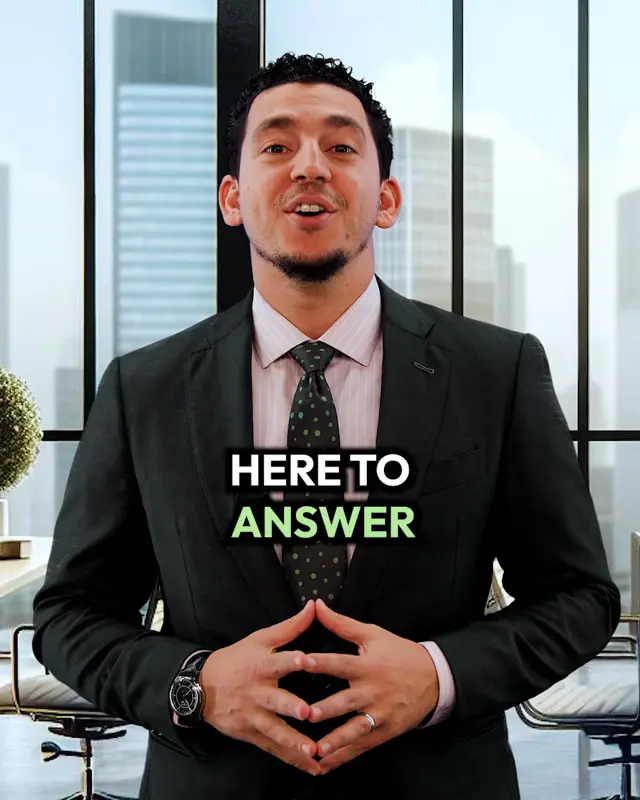
Attorney Ali Awad founded the CEO Lawyer Personal Injury Law Firm only a few short years ago and has since turned it into one of the fastest-growing law firms in the country. He and his team have more than fifty years of combined experience and have recovered millions of dollars for injured clients and their families.
When Mr. Awad isn’t busy working on a case in the boardroom or the courtroom, you can find him on social media delivering no-nonsense legal advice to more than a million followers.
Call us today at (833) 254-2923.