

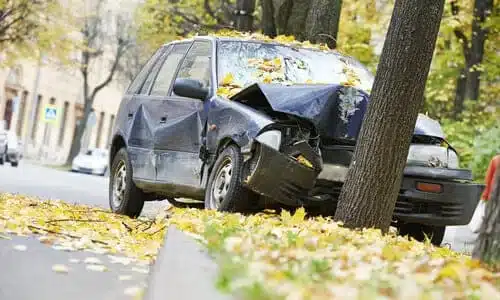
 Drunk driving accidents often result in severe injuries. The drunk driver may fall asleep at the wheel, or they might not pay attention to their driving as they usually would.
Additionally, alcohol slows the reflexes and reaction time of motorists. When you combine these factors, the result is often an accident in which one of the drivers made little or no effort to avoid the collision or was not very successful if they did try to avoid it.
Sadly, the other parties involved in the crash may suffer severe consequences as a result of the drunk driver’s negligent actions.
Medical bills, lost income, severe and sometimes chronic pain, emotional or mental anguish, and property damage can all wreak havoc on your life. But the drunk driver and their insurance company may be full of excuses why they shouldn’t have to pay for these damages—even to the extent of blaming you in some situations.
How Can a Gwinnett County Drunk Driving Attorney Help?
An experienced injury lawyer in Gwinnett County will fight to help you recover your damages after a drunk driving accident.
In many cases, the insurance company may attempt to undervalue your claim if they can’t find a reason to deny paying it entirely. We can help protect your right to compensation, and we’ll also assess your damages to be sure everything is covered.
Here are some of the damages you may be entitled to if a drunk driver injures you:
- Healthcare expenses. Car accidents can cause serious injuries like broken bones, head injuries, back and spine injuries, scarring, and internal injuries. Even with health insurance, you could be left with expensive bills for out-of-pocket costs and a lifetime of expenses if your injuries become chronic or require long-term care. We will never settle a case without ensuring future medical expenses are also included.
- Lost income. In a few seconds, a drunk driver can put you out of commission for weeks or even months. Many people don’t have enough paid time off for an extended recovery, and no one wants to lose the PTO they do have. You have a right to pursue compensation for both.
- Permanent disability or disfigurement. If you’re no longer able to work, have to reduce your hours, or take a less lucrative position, we can seek compensation for your lost earning potential. Even if you can still work, you may also have suffered a reduction in quality of life as a result of a permanent disability.
- Pain and suffering. We consider both physical pain and mental or emotional distress as damages.
- Property damage. You have a right to seek repair or replacement costs for your vehicle, as well as depreciation from the accident.
- Wrongful death. Sometimes, an innocent person loses their life to the reckless behavior of an intoxicated driver. If you’ve lost a loved one in such a senseless tragedy, we can pursue damages, including loss of financial support, loss of companionship or consortium, funeral and burial expenses, final medical expenses, and more. While a lawsuit can’t bring your loved one back, it can allow you to care for your family, carry out your loved one’s wishes for the future, and move forward without financial difficulties.
How Can the Insurance Company Blame You When a Drunk Driver Caused the Accident?
People are often puzzled when they ask this question, and with good reason. Keep in mind that insurance companies often try to shift blame to protect their interests.
Here’s why: Georgia uses modified comparative negligence in personal injury cases, which means that a negligent party doesn’t have to be 100 percent at fault in an accident or injury. In fact, there are many situations where one driver might be, for example, 90 percent at fault for an accident while the other driver is 10 percent responsible.
When this happens, the party with less than 50 percent of the blame can still collect damages from the other driver, but they will lose their own percentage of fault. In any car accident, it benefits the insurance company to claim the other driver was at least partially at fault.
Even if they can’t make the case that you were mostly to blame, they can still reduce the damages they have to pay you by saying you had some responsibility.
It’s also true that sober people can cause accidents, too (although your risk of a crash is much higher with alcohol consumption, even when your BAC is still below the legal limit). From the insurance company’s perspective, you could have made an error in your driving that contributed to the crash.
If you don’t have a Gwinnett County car accident lawyer, your insurance company and the drunk driver’s insurance company will negotiate over who pays for what. Your insurance company adjuster won’t want to pay for damages any more than the drunk driver’s insurance company does, so they will likely argue that you weren’t at fault.
However, they may be willing to accept that you had some amount of responsibility below 50 percent because they still won’t have to pay anything. You, however, will have lost some of your settlement—and you may not even know it if you don’t have the assistance of an attorney.
What if the Drunk Driver Claims They Weren’t Drunk?
This is not uncommon. Generally, when the police respond to a significant accident that causes injuries, they will perform a blood alcohol test (BAC) on both drivers.
If one of the drivers has a BAC of 0.08 or higher, the officers will usually place that person under arrest for driving under the influence and possibly other charges related to the accident. The police can also arrest someone with a BAC lower than .08 in some situations.
Everyone who is arrested has a right to a criminal defense attorney, and that person will look for the most effective way to defend their client. In some cases, this means attacking the evidence.
For example, the drunk driver’s lawyer might argue that the officers didn’t maintain their equipment properly or didn’t handle evidence like blood samples according to protocol, so the results can’t be trusted. This argument isn’t always successful—the defense attorney will need to present some documentation that the evidence was mishandled.
In a few cases, the evidence may not be strong enough for a conviction, and the drunk driver could face no repercussions in criminal court.
These situations can be frustrating, but even if the drunk driving charges are dropped or the driver is acquitted, you can still file a claim on their insurance. Drunk or not, they are responsible for causing an accident, and by extension, their insurance company is responsible for paying your claim.
It is not necessary to prove the driver was drunk, only that they caused the crash.
Your lawyer will carefully collect evidence to show that the other driver was responsible and that you contributed little or nothing to the collision. This may include interviewing witnesses, seeking photo or video evidence, examining vehicle event data records or EDRs, and more.
We’ll also negotiate with the insurance company on your behalf, and we’ll fight to get you a fair settlement.
Do I Still Need a Lawyer if the Drunk Driver’s Insurance Company Has Made Me an Offer?
Yes. It may seem counterintuitive, but if the insurance company makes you an offer quickly and doesn’t try to blame you for the accident, you should be very careful.
This is frequently a sign that the insurance adjuster knows your case is strong and wants to minimize their exposure. In many cases, the insurance company’s initial offer is a lowball one that doesn’t begin to cover all the damages we discussed earlier.
The adjuster may undervalue some of your damages or ignore others completely—for example, only offering to pay for your current medical bills while overlooking your lost income, future medical costs, or pain and suffering.
Your drunk driving lawyer will discuss all potential damages and help you determine a reasonable settlement amount so you can tell if the first offer is appropriate. If not, we’ll negotiate with the insurance carrier on your behalf so you can concentrate on your recovery.
How Much Does It Cost to Consult a Gwinnett County Drunk Driving Law Firm?
It should not cost you anything to learn about your options in a drunk driving car accident case. Please contact the CEO Lawyer Personal Injury Law Firm for a free consultation.
We’ll review the details of your collision, answer your questions, and explain the possibilities. We work on a contingency basis, so if we take your case, you won’t pay anything upfront.
After we win or settle the case, we’ll take an agreed-upon fee from the final settlement.
Attorney Ali Awad founded the CEO Lawyer Personal Injury Law Firm just a few short years ago and has turned it into one of the fastest-growing law firms in the country. He and his hardworking team have more than twenty years of combined experience and have helped clients recover millions of dollars in compensation.
When he’s not working on a case, you can find Mr. Awad on social media, delivering entertaining yet educational posts about legal topics. Call the CEO Lawyer today at (470) 323-8779.