



 Boating is a popular way to enjoy the coast and rivers of Georgia, but accidents on the water can lead to serious injuries, unexpected medical bills, and long-term consequences. If you’ve been injured in a boating crash, a boat accident lawyer serving Savannah can help you understand your rights and pursue full compensation for your losses.
Whether the incident involved a personal watercraft, commercial vessel, or recreational boat, legal help is essential to navigate the complexities of maritime and Georgia personal injury law.
The CEO Lawyer Personal Injury Law Firm represents individuals and families hurt in all types of boating accidents.
Our attorneys know how to investigate the causes, determine liability, and push back against insurers who try to minimize payouts. If you’re facing medical recovery, lost income, or property damage, a boat collision attorney in Georgia is ready to help you move forward.
Call the CEO Lawyer Personal Injury Law Firm today at (912) 461-6824 to speak with a boat accident lawyer serving Savannah who will fight for the results you deserve.
What Does a Savannah Boat Accident Attorney Do for My Case
A boat accident attorney serving Savannah provides critical legal support after a crash on the water. Whether your injuries were caused by a reckless boat operator, faulty equipment, or unsafe rental conditions, having a boating injury lawyer serving Savannah on your side can make all the difference.
These cases often involve complex liability questions and unique laws that differ from those in typical auto accidents. From day one, your attorney’s job is to protect your interests and build a case that supports your right to fair compensation.
That means handling communication with insurers, securing key evidence, and making sure your recovery, both physical and financial, stays on track. Every detail matters when it comes to boating injury claims, especially when multiple parties or commercial entities are involved.
Our legal team assists by:
- Investigating how the boating accident occurred: Examining operator behavior, water conditions, and vessel operation
- Gathering marine accident reports and witness statements: Building a complete picture of what happened
- Negotiating with insurance companies or boat operators: Ensuring your claim isn’t minimized or delayed
- Pursuing compensation through settlement or litigation: Fighting for full recovery if a fair settlement isn’t offered
In cases involving serious injury or wrongful death, our personal injury lawyers serving Savannah provide the strategy necessary to achieve a successful outcome.
What Is a Boat Accident Claim?
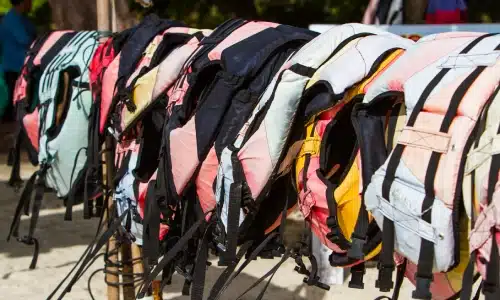 A boat accident claim is a legal action that enables injured victims to pursue compensation for damages resulting from a boating incident.
Whether it happens on the Savannah River, a coastal inlet, or an inland lake, accidents involving watercraft can cause serious injuries, emotional trauma, and financial stress. A boat accident law firm serving Savannah can help you file a Georgia boat injury claim and recover the damages you’re legally owed.
Unlike auto accidents, boating collisions are governed by a mix of state laws and maritime regulations, making these cases more complex. Your legal team will need to prove that another party’s actions, or failure to act, directly led to your injuries.
This could include the operator of another boat, the rental company, or even the manufacturer of a defective part. Victims have two years to file under the Georgia Code § 9-3-33 – Personal Injury Statute of Limitations, making it crucial to act promptly.
Boat accident claims often involve:
- Operator negligence: Failing to follow navigational rules or operating without proper attention
- Mechanical failure or improper maintenance: Faulty equipment that causes loss of control or engine failure
- Speeding or reckless boating: Creating wake hazards or losing control at high speeds
- Intoxicated operation of a vessel: Boating under the influence, leading to impaired judgment and delayed response.
Common Causes of Boat Accidents in Savannah
Savannah’s rivers and coastal waters are a major draw for recreational boaters, fishermen, and tourists, but they also come with serious risks. Every year, preventable crashes result in injuries, property damage, and even fatalities.
A maritime accident lawyer serving Savannah regularly handles cases where basic safety was overlooked or marine regulations were ignored. Understanding what causes these accidents is the first step in preventing them and in building a strong legal claim after an injury.
Many boating accidents occur when operators are untrained or act recklessly. In some cases, boats are rented to individuals with little to no experience navigating busy or unpredictable waterways, while other times, alcohol is a major factor, contributing to poor judgment, slower reaction times, and collisions with docks, other vessels, or swimmers.
External factors, such as mechanical failure and rough conditions, can also play a role, especially when the boat isn’t properly maintained.
Following U.S. Coast Guard boating safety guidelines is essential for anyone operating a vessel in Savannah; however, not everyone adheres to these rules. When they don’t, our legal team steps in to hold them accountable.
Some of the most common causes of boat accidents in Savannah include:
- Operator inexperience: Navigating without proper knowledge of rules, signs, or how to handle emergency situations
- Drunk boating: Alcohol use while operating a boat leads to slower reflexes and impaired decision-making
- Poor weather or water conditions: Sudden storms, high winds, or strong currents make controlling a boat more dangerous
- Equipment malfunction: Failures in steering, engine systems, or navigation equipment can result in sudden, uncontrollable hazards
Understanding Damages in Savannah Boat Accident Cases
After a serious boating accident, the physical and financial toll can be overwhelming. Victims often face extended recovery periods, medical debt, and emotional trauma that affect every aspect of daily life.
A boat accident law firm serving Savannah helps injured individuals seek full watercraft accident compensation by calculating both the immediate and long-term effects of the crash.
Unlike minor accidents that involve property damage alone, boating incidents often result in significant bodily harm, especially when high speeds or open water are involved. Victims may need surgery, physical therapy, and time off work, all while dealing with mounting expenses.
Compensation in these cases is intended to restore what was lost and support recovery, rather than just cover surface-level costs.
Typical damages in a Savannah boat accident claim may include:
- Emergency medical expenses: Ambulance transport, ER visits, surgeries, and early-stage care
- Ongoing treatment and rehab: Physical therapy, specialist care, and adaptive equipment for long-term recovery
- Lost wages and income: Time away from work and lost earning potential due to lasting injury
- Pain and suffering: Physical discomfort, mental distress, and loss of quality of life after the accident
Steps to Take After a Boat Accident
A boating crash can unfold quickly, leaving victims confused, injured, and unsure of what to do next. Whether you were injured on a private vessel, a chartered boat, or a personal watercraft, such as a jet ski, taking the right steps after an accident is crucial.
A boat accident attorney can later use the information you gather to strengthen your case and hold the at-fault party accountable. This is especially true in cases involving high-speed collisions, such as those seen by our jet ski accident lawyers serving Savannah.
The actions you take immediately after the incident can affect both your physical recovery and your legal options. Timely documentation, official reporting, and legal consultation will go a long way in protecting your right to full compensation.
Here’s what you should do:
- Seek medical help immediately: Treat injuries promptly, even if they seem minor at first
- Notify local authorities or the Coast Guard: Reporting the incident creates a formal record of the crash.
- Take photos and gather witness information: Document vessel damage, injuries, and get contact details from others involved
- Contact a boat accident attorney: Legal guidance helps you avoid costly mistakes and strengthens your claim from the start.
Why Choose the CEO Lawyer Personal Injury Law Firm?
When you’re recovering from a serious boating accident, you need more than just a lawyer; you need a team that understands the unique legal challenges involved in watercraft claims. The CEO Lawyer Personal Injury Law Firm has built a reputation for handling complex maritime cases, including those involving boating under the influence injury cases.
We don’t just fight for compensation; we fight to ensure you’re heard, supported, and protected throughout the entire process. Our attorneys combine legal precision with a deep knowledge of local and federal boating laws.
Whether you were injured on a private boat, jet ski, or chartered tour, we know how to uncover what went wrong and who should be held accountable. From the first investigation to the final settlement or verdict, our focus is on delivering justice and results.
Here’s why clients trust us after boating accidents:
- Deep understanding of maritime and personal injury law: We navigate the overlapping rules that apply to boat accident claims
- Strategic investigation and evidence collection: We build airtight cases with detailed facts and support
- Aggressive negotiation with insurers: We don’t accept lowball offers; your recovery is worth more
- Compassionate and personalized support: We treat every client with respect, empathy, and attention to detail
How Long Do I Have to File a Boat Accident Claim
If you’ve been injured in a boating accident, time is not on your side. Under Georgia law, most victims have just two years from the date of the incident to file a personal injury claim.
This applies to nearly all types of boat-related cases, including recreational collisions, rental accidents, and injuries involving watercraft. Filing a Georgia boat injury claim within the legal deadline is essential to preserving your right to compensation.
While two years may seem like plenty of time, delays can cost you. Evidence can disappear, witnesses may be difficult to locate, and memories can fade quickly.
In many cases, boat accidents don’t involve as many official records as car crashes, so gathering your own documentation becomes even more important. That’s why it’s crucial to contact an attorney as soon as possible after the incident.
There are some situations where the deadline may be extended, such as accidents involving minors or delayed discovery of injuries. But in most cases, the two-year window is strict.
Missing it could mean forfeiting any right to financial recovery, regardless of how strong your case may be.
The boating rules set by the Georgia DNR Waterway Safety Division apply to both private vessels and rental operations across the state. But for legal guidance tailored to your situation, working with experienced attorneys is the most effective way to protect your rights.
Exceptions to the Statute of Limitations
Not every commercial truck accident case fits neatly into Georgia’s standard two-year deadline for filing a personal injury claim. Certain circumstances allow that clock to pause or be extended, giving injured parties more time to pursue compensation.
One of the most common exceptions involves delayed injury discovery, where the full extent of your injuries isn’t immediately known after the accident.
These exceptions can be complex, and proving them requires thorough documentation and a well-defined legal strategy. Our attorneys understand how to apply these rules in a way that protects your right to file, even after the time has passed.
Other common exceptions to the statute of limitations include:
- Involvement of minors: The clock may pause until the injured person turns 18
- Concealment or fraud by the liable party: If the at-fault party hid their involvement or tampered with evidence
Savannah Boat Accident FAQ
What should I do immediately after a boat accident?
Seek medical attention, report the incident to local authorities or the Coast Guard, and document everything you can, including photos, injuries, and witness details.
Can I file a claim if the accident happened on a rental boat?
Yes. You may be able to hold the rental company or another negligent party responsible, depending on the cause of the accident and the condition of the vessel.
Who can be held liable for a boating accident?
Potentially liable parties include the boat operator, rental company, manufacturer, or any party whose negligence contributed to the crash.
What if the accident happened on public waters?
Accidents on public waters still qualify for claims. Legal responsibility is determined by the same standards of negligence and maritime law as private waterway incidents.
Work With Our Boat Accident Law Firm Serving Savannah Today
If you’ve been injured in a watercraft accident, don’t wait to get the legal help you need. A boat accident lawyer serving Savannah can help you hold negligent parties accountable and recover full compensation for your injuries, lost income, and other damages.
These cases require fast action, especially when evidence on the water can disappear quickly.
The CEO Lawyer Personal Injury Law Firm is prepared to represent you with skill, urgency, and a deep understanding of maritime injury claims.
We know how to deal with insurers, investigate boating crashes, and build a case that stands up in or out of court. Whether your injury occurred on a private vessel, rental boat, or jet ski, our attorneys are ready to act.
Contact the CEO Lawyer Personal Injury Law Firm today at (912) 461-6824 to speak with a boat accident lawyer and get your free case evaluation.