



 Uber accidents in Savannah create unique legal challenges that require immediate attention from an experienced Uber accident legal team serving Savannah who understands the complex insurance coverage periods and corporate liability issues specific to Uber’s business model. When accidents involve Uber vehicles, determining fault and accessing appropriate insurance coverage can be significantly more complicated than traditional car accidents due to Uber’s classification of drivers as independent contractors.
If you’ve been injured in an Uber accident, protecting your legal rights requires knowledge of Uber’s insurance policies. Contact the CEO Lawyer Personal Injury Law Firm attorneys serving Savannah today and speak with a legal team that understands Uber accident cases and will fight to ensure you receive full compensation.
What Does an Uber Accident Attorney Serving Savannah Do?
An Uber accident legal team provides legal representation that addresses the unique complexities of accidents involving Uber vehicles. These legal professionals understand that Uber accident cases require analyzing app data, driver activity logs, and Uber’s specific insurance policies.
Essential services provided by an Uber accident legal team include:
- Coverage Period Analysis: Determining which of Uber’s coverage periods applies to your accident.
- Uber App Data Recovery: Securing crucial evidence from Uber’s app, including trip details and driver location data.
- Independent Contractor Challenge: Investigating whether Uber exercised sufficient control over drivers to create liability.
- Corporate Policy Investigation: Examining Uber’s driver screening processes and safety policies.
- Multi-Insurance Coordination: Navigating the interaction between Uber’s commercial insurance and the driver’s personal insurance.
- Technology Evidence Preservation: Securing GPS data and driver app activity that may be automatically deleted.
What Is an Uber Accident?
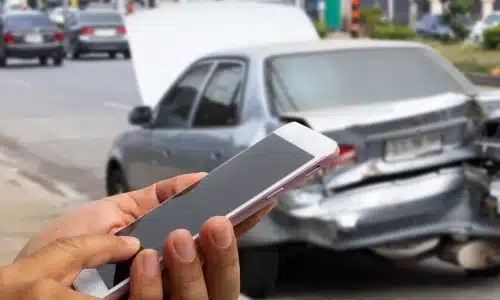 An Uber accident is any collision involving a vehicle being used for Uber services, whether the driver was actively providing rides, waiting for passenger requests, or driving to pick up customers. Rideshare services like Uber have fundamentally changed transportation accident liability, creating new categories of commercial vehicle accidents with unique insurance and legal considerations.
Key factors that complicate Uber accident cases:
- Driver Status Classifications: Uber’s insurance coverage changes based on whether drivers are offline, available for rides, en route to passengers, or actively transporting customers.
- Independent Contractor Defense: Uber classifies drivers as independent contractors rather than employees, potentially limiting direct corporate liability.
- App-Based Evidence: Critical evidence exists in Uber’s technology systems, including GPS tracking and trip details that may not be readily accessible.
- Corporate Liability Limitations: Uber has structured its business model to minimize direct liability for driver actions while maintaining control over requirements.
Common Causes of Uber Accidents in Savannah
Savannah’s combination of tourist destinations, entertainment districts, and busy commercial areas creates specific hazards for Uber operations. The city’s narrow historic streets and high volume of visitors contribute to increased Uber accident risks throughout the metropolitan area.
Frequent causes of Uber accidents in Savannah include:
- Distracted Driving from App Management: Uber drivers are constantly monitoring their phones for ride requests and navigation updates while navigating Savannah’s downtown streets.
- Unfamiliar Driver Navigation Issues: Uber drivers from outside Savannah who don’t know local traffic patterns, leading to sudden stops and confusion.
- Passenger Pickup and Dropoff Hazards: Dangerous stopping in traffic lanes while picking up passengers near River Street and event venues.
- Driver Fatigue from Extended Hours: Uber drivers are working excessive hours to maximize earnings during busy periods in Savannah.
- Inadequate Vehicle Maintenance: Independent contractor drivers may delay necessary maintenance due to cost concerns.
- Alcohol-Related Incidents: Accidents involving intoxicated passengers or occurring in entertainment districts during evening hours.
Understanding Damages in Savannah Uber Accident Cases
Georgia law allows Uber accident victims to recover various types of damages, with cases potentially involving higher compensation amounts due to Uber’s commercial insurance coverage that typically exceeds standard personal auto policies. The Georgia Office of Insurance regulates insurance requirements for transportation network companies like Uber operating in the state.
Categories of damages available in Uber accident cases:
- Medical Expenses and Treatment: Including emergency care, surgery, hospitalization, and ongoing medical treatment, with Uber’s $1 million liability coverage providing substantial compensation. Each case is unique and coverage may vary.
- Lost Income and Earning Capacity: Lost wages during recovery and diminished earning capacity if injuries hinder a return to work.
- Pain and Suffering: Compensation for physical pain, emotional distress, and reduced quality of life resulting from accident injuries.
- Property Damage: Repair or replacement costs for vehicles and personal property damaged in accidents.
- Uninsured/Underinsured Motorist Benefits: Additional compensation through Uber’s policies when other drivers lack adequate coverage.
- Punitive Damages: In cases involving gross negligence, additional damages are designed to punish wrongdoers and encourage safer practices.
Steps to Take After an Uber Accident
The actions you take immediately following an Uber accident are crucial for protecting your legal rights and ensuring access to appropriate insurance coverage, particularly given Uber’s complex coverage structure and the company’s tendency to investigate accidents quickly.
Critical steps to take after an Uber accident:
- Seek Immediate Medical Attention: Call 911 and accept all recommended medical treatment, as Uber accidents often involve serious injuries.
- Document Uber Trip Details: Take screenshots of your Uber app showing trip information, driver details, and vehicle information.
- Photograph Comprehensive Evidence: Take photos of all vehicles, damage, road conditions, and the accident scene.
- Identify All Parties and Witnesses: Collect information from the Uber driver, other drivers, passengers, and witnesses.
- Report Through Official Channels: Contact your insurance company and report the accident to Uber through their official channels.
- Preserve Electronic Evidence: Avoid deleting the Uber app or trip history, and refrain from discussing the accident on social media.
Common Injuries in Uber Accident Cases in Savannah
Uber accidents can result in a wide range of injuries, from minor impacts to severe trauma requiring extensive medical treatment. The nature of Uber operations can contribute to accident patterns that differ from typical traffic collisions.
Frequent injuries resulting from Uber accidents:
- Whiplash and neck injuries: Common in rear-end collisions due to sudden stops for passenger pickups.
- Back and spinal injuries: Side impacts can cause conditions like herniated discs or nerve damage.
- Head and brain injuries: Impact-related traumatic brain injuries can lead to concussions and cognitive problems.
- Broken bones and fractures: Arms, legs, and ribs are often affected, frequently requiring surgery and physical therapy.
- Sprains, strains, and muscle injuries: These soft tissue injuries can result in chronic pain and limited mobility.
- Psychological trauma: Anxiety, depression, and post-traumatic stress disorder may necessitate counseling.
Why Choose the CEO Lawyer Personal Injury Law Firm?
Selecting experienced legal representation for your Uber accident case is critical because these cases involve complex corporate structures, multiple insurance policies, and technology companies with extensive legal resources. Uber’s unique business model presents legal challenges that require a thorough understanding of how rideshare companies operate.
What distinguishes the CEO Lawyer Personal Injury Law Firm in Uber accident cases:
- Uber Accident Experience: Our firm possesses in-depth knowledge of Uber’s unique insurance framework and corporate liability tactics, crucial for effectively handling accident claims.
- Digital Evidence Proficiency: We excel at recovering critical electronic evidence from Uber’s app systems and driver activity logs to build strong cases.
- Maximizing Insurance Payouts: Our deep understanding of Uber’s multi-tiered insurance policies allows us to strategize for and secure the highest possible compensation.
- Complex Case Management: We are skilled in navigating intricate cases that involve multiple parties, including Uber, its drivers, other vehicles, and various insurance providers.
- Advocating for Consumer Rights: We are committed to protecting the rights of rideshare accident victims.
No two cases are alike, and previous results do not predict future outcomes.
How Long Do I Have to File an Uber Accident Claim?
Georgia’s statute of limitations for Uber accident cases is two years from the date of the accident under Official Code of Georgia Annotated § 9-3-33. However, Uber accident cases may involve additional procedural requirements and notice provisions that can affect your ability to pursue claims against corporate defendants.
The complexity of Uber’s insurance coverage and corporate structure means that important evidence can be lost or destroyed if legal action isn’t initiated promptly. Uber maintains extensive electronic records that may be automatically deleted after certain periods, making quick legal intervention essential for preserving crucial evidence.
Exceptions to the Statute of Limitations
While Georgia’s two-year statute of limitations is generally strictly enforced, certain circumstances specific to Uber accidents can extend these deadlines, though exceptions are rare.
Limited exceptions that may extend filing deadlines:
- Concealment by Uber: If Uber intentionally hides information about driver backgrounds or safety issues, the statute of limitations might be extended.
- Minor Victims: Children injured as Uber passengers have until their 20th birthday to initiate a claim.
- Technology System Failures: Malfunction instances in the Uber app can contribute to an accident, the filing period may begin from the point of discovery of the malfunction.
- Driver Misrepresentation: If an Uber driver provides false personal information, the deadline for filing a claim could be extended.
- Interstate Technology Issues: Accidents involving technology systems that operate across state lines may fall under different federal regulations regarding filing periods.
Savannah Uber Accident FAQ
What happens if Uber claims I violated their terms of service, affecting my coverage?
Uber cannot simply deny coverage by claiming terms of service violations without legitimate grounds. Their insurance coverage is required by Georgia law regardless of minor policy violations. However, Uber may attempt to use terms of service violations to reduce their liability. Your attorney will examine whether any alleged violations contributed to the accident and whether Uber’s terms comply with Georgia consumer protection laws. Most term violations don’t affect insurance coverage for accidents caused by driver negligence.
Can I sue Uber directly if their driver screening process was inadequate?
Yes, you may have direct claims against Uber for negligent hiring if their driver screening failed to identify dangerous drivers. This includes failing to detect suspended licenses, criminal backgrounds, or medical conditions that make driving unsafe. Uber has a duty to conduct reasonable background checks and ongoing monitoring of driver safety. Your attorney will investigate whether Uber knew or should have known about driver problems that contributed to your accident. These corporate liability claims access Uber’s corporate assets rather than just driver insurance coverage.
How does Uber’s insurance work if I were injured as a pedestrian by an Uber vehicle?
As a pedestrian struck by an Uber vehicle, you’re typically covered under Uber’s $1 million liability policy regardless of which coverage period applied to the driver. Uber’s insurance should cover your medical expenses, lost wages, pain and suffering, and other damages. However, Uber may try to shift blame by claiming you weren’t in a crosswalk or were jaywalking. Your attorney will investigate whether the Uber driver was distracted by the app or otherwise negligent, and ensure Uber’s insurance provides full compensation.
What if the Uber driver was intoxicated or under the influence during my accident?
If an Uber driver were intoxicated, this creates serious liability issues for both the driver and potentially Uber. Drivers are prohibited from using drugs or alcohol, and Uber has policies requiring sobriety. Your attorney will investigate whether Uber knew or should have known about the driver’s substance abuse problems and whether their screening procedures were adequate. Intoxicated driving may also support punitive damage claims against both the driver and Uber for gross negligence, potentially increasing your compensation beyond standard coverage limits.
How do I prove the Uber driver was distracted by the app when my accident occurred?
Proving app distraction requires securing electronic evidence from Uber’s systems and the driver’s phone. Your attorney will seek to obtain data showing when the driver last interacted with the Uber app, whether they were receiving ride requests during the accident, and if they were using navigation features. This evidence often exists in Uber’s servers and must be preserved quickly through legal action. Witness testimony about the driver looking at their phone and accident reconstruction showing reaction times can also support distraction claims.
Trust Our Uber Accident Law Firm Serving Savannah for Your Case
Uber accident cases require specific legal knowledge, technology expertise, and an understanding of corporate liability strategies that many general practice attorneys lack. The unique nature of Uber’s business model makes experienced representation essential for achieving fair compensation.
The CEO Lawyer Personal Injury Law Firm has the knowledge and dedication necessary to take on Uber and its insurance carriers while protecting your rights throughout the legal process. Their team understands that Uber accidents involve complex technology evidence and corporate accountability issues that require sophisticated legal approaches. Don’t let Uber minimize your claim based on technicalities in their service agreements. Contact the CEO Lawyer Personal Injury Law Firm today at (912) 461-6824 to schedule a free consultation and learn how experienced Uber accident attorneys can help secure the compensation you deserve.