


 Discovering that your elderly loved one has suffered abuse, neglect, or mistreatment in a nursing home is one of the most heartbreaking experiences a family can endure. A Savannah nursing home abuse attorney understands the complex emotions families face while navigating Georgia’s nursing home regulations and legal system to seek justice for vulnerable residents. Georgia’s nursing home laws are designed to protect elderly residents, but violations are unfortunately common, making experienced legal representation crucial for holding facilities accountable.
Don’t let nursing home facilities escape accountability for harming your loved one. Contact the CEO Lawyer Personal Injury Law Firm attorneys serving Savannah today at (912) 461-6824 to discuss your nursing home abuse case and learn how we can help you pursue justice while ensuring your loved one receives the quality care they deserve.
What Does a Nursing Home Abuse Attorney serving Savannah Do for My Case?
Nursing home abuse attorneys serving Savannah practice in representing families whose elderly loved ones have suffered physical abuse, emotional abuse, sexual abuse, financial exploitation, or medical neglect in nursing homes and assisted living facilities. These legal professionals understand Georgia’s nursing home regulations, federal requirements under the Nursing Home Reform Act, and the unique challenges that arise when pursuing claims against well-funded healthcare corporations.
- Comprehensive Investigation and Evidence Gathering: Your attorney will immediately begin investigating the circumstances surrounding your loved one’s abuse or neglect, working with medical experts and investigators to document injuries, review medical records, examine facility policies, and interview staff members. This includes obtaining surveillance footage, incident reports, and state inspection reports.
- Medical Expert Analysis: Experienced nursing home abuse attorneys work with qualified medical professionals who specialize in geriatric care to evaluate your loved one’s injuries, determine whether they resulted from abuse or neglect, and assess the long-term medical consequences.
- Facility Compliance Review: Your attorney will thoroughly examine the nursing home’s compliance with state and federal regulations, including staffing requirements, training protocols, safety procedures, and quality of care standards.
- Insurance Company Negotiations: Nursing homes are typically covered by substantial liability insurance policies and may be owned by large corporate chains. Your attorney will handle all negotiations with insurance companies while building a strong case for maximum compensation.
- Coordination with Protective Services: Your attorney can work with Adult Protective Services, state regulatory agencies, and law enforcement to ensure your loved one’s immediate safety while pursuing civil remedies.
What Is Nursing Home Abuse?
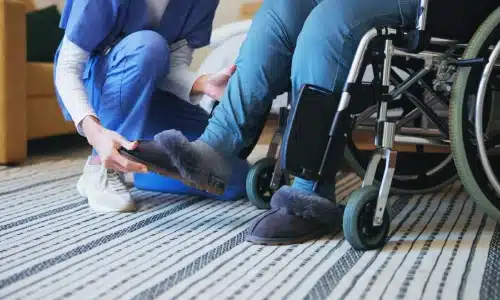 Nursing home abuse encompasses any form of physical, emotional, sexual, or financial harm inflicted upon elderly residents by nursing home staff, other residents, or visitors, as well as neglect that results in preventable injuries or deterioration of the resident’s condition. In Georgia, nursing home abuse is governed by both state and federal laws, including the Nursing Home Reform Act.
- Physical Abuse: This includes any intentional use of force that causes bodily harm, pain, or injury to a nursing home resident, such as hitting, pushing, restraining, or rough handling during care activities. Physical abuse may also involve the inappropriate use of physical or chemical restraints.
- Emotional and Psychological Abuse: This form of abuse involves verbal threats, intimidation, humiliation, isolation, or other actions designed to cause emotional distress to residents. Emotional abuse can be particularly devastating for elderly residents who may already be struggling with cognitive decline.
- Sexual Abuse: Any non-consensual sexual contact involving nursing home residents constitutes sexual abuse, regardless of whether the resident has the mental capacity to consent. This includes inappropriate touching, sexual assault, or exploitation by staff members.
- Financial Exploitation: This involves the unauthorized use of a nursing home resident’s funds, property, or assets by staff members or others who have access to the resident’s financial resources. Financial exploitation may include stealing money, forging signatures, or coercing residents into changing wills.
- Neglect: This occurs when nursing home staff fail to provide adequate care, supervision, or services necessary to maintain residents’ health, safety, and well-being. Neglect can be intentional or result from inadequate staffing, poor training, or systemic failures.
Common Types of Nursing Home Abuse in Savannah
Savannah’s nursing home facilities face ongoing challenges with staffing shortages, inadequate training, and regulatory compliance that can create conditions where abuse and neglect are more likely to occur.
- Medication Errors and Over-Sedation: Many nursing homes inappropriately use psychotropic medications to control residents’ behavior rather than providing proper care. This chemical restraint practice can cause serious side effects, falls, and cognitive decline. Additionally, medication errors involving wrong dosages can cause severe harm.
- Falls and Inadequate Supervision: Georgia nursing homes often fail to implement adequate fall prevention programs, leaving residents at risk of serious injuries from preventable falls. This includes failure to use proper safety equipment, inadequate supervision of residents with mobility issues, and insufficient staffing levels.
- Pressure Sores and Bedsores: These preventable injuries develop when nursing home staff fail to properly position, turn, or care for residents who are bedridden or have limited mobility. Severe pressure sores can become infected, leading to sepsis and death.
- Malnutrition and Dehydration: Inadequate nutritional care is a serious problem in many nursing homes, resulting from poor meal planning, insufficient assistance with eating, or failure to monitor residents’ dietary needs and weight changes.
- Inadequate Medical Care: This includes failure to provide necessary medical treatment, delayed response to medical emergencies, improper wound care, failure to follow physician orders, and inadequate monitoring of residents’ health conditions.
Understanding Damages in Savannah Nursing Home Abuse Cases
Georgia law allows nursing home abuse victims and their families to recover compensation for various types of damages resulting from abuse, neglect, or mistreatment in care facilities.
- Medical Expenses: This includes costs for emergency treatment, hospitalization, additional medical care required as a result of the abuse or neglect, rehabilitation services, and ongoing medical monitoring. Families can also recover costs for transferring their loved one to a different facility.
- Pain and Suffering: Elderly residents who suffer abuse or neglect experience significant physical pain and emotional distress that warrants compensation. This includes compensation for the fear, anxiety, depression, and trauma that often result from being victimized.
- Loss of Life Enjoyment: Nursing home abuse can rob elderly residents of their dignity, independence, and quality of life during what should be their golden years. Compensation may be available for the loss of enjoyment and satisfaction that abuse victims experience.
- Punitive Damages: In cases involving particularly egregious conduct, such as intentional abuse, systematic neglect, or deliberate indifference to residents’ safety, Georgia courts may award punitive damages designed to punish the facility.
Steps to Take After Discovering Nursing Home Abuse
Taking immediate action after discovering signs of nursing home abuse can protect your loved one from further harm and preserve crucial evidence for your legal case.
- Ensure Immediate Safety: If your loved one is in immediate danger, prioritize their safety by removing them from the facility if feasible, or by insisting the facility take immediate protective measures. Document any injuries with photographs and promptly seek medical attention from an independent healthcare provider.
- Report the Abuse: Contact Adult Protective Services, local law enforcement, and the Georgia Department of Community Health to report suspected abuse. These agencies can investigate the facility and take action to protect other residents.
- Document Everything: Keep detailed records of all injuries, conversations with facility staff, medical treatments, and any changes in your loved one’s condition or behavior. Collect medical records, incident reports, and documentation related to your loved one’s care.
- Preserve Evidence: Take photographs of injuries, living conditions, and any evidence of neglect or abuse. Keep copies of all communications with the facility and avoid signing any documents without consulting an attorney.
- Consult an Experienced Attorney: Contact a nursing home abuse attorney as soon as possible to discuss your legal options and begin the process of holding the facility accountable.
Why Choose the CEO Lawyer Personal Injury Law Firm?
Choosing the right legal representation for your nursing home abuse case requires finding attorneys who understand the unique challenges these cases present and have the resources necessary to take on well-funded healthcare corporations. The CEO Lawyer Personal Injury Law Firm has extensive experience representing families in nursing home abuse cases.
- Experience in Nursing Home Abuse Cases: Our attorneys focus on nursing home abuse and neglect cases, giving us a deep understanding of federal and state regulations governing long-term care facilities and the most effective strategies for proving liability and securing maximum compensation.
- Medical Expert Network: We work with qualified geriatricians, psychiatrists, and other medical professionals who specialize in elderly care and can provide expert testimony about the standard of care, causation of injuries, and the long-term impact of abuse and neglect.
- Thorough Investigation Resources: Our firm has the resources necessary to conduct comprehensive investigations, including hiring private investigators, obtaining surveillance footage, interviewing witnesses, and reviewing extensive medical and facility records.
- Compassionate Client Service: We understand that nursing home abuse cases involve vulnerable elderly individuals and worried family members who are dealing with guilt, anger, and concern for their loved one’s well-being.
- No Upfront Costs: We handle nursing home abuse cases on a contingency fee basis, meaning you pay no attorney fees unless we recover compensation for your case.
How Long Do I Have to File a Nursing Home Abuse Claim?
In Georgia, a two-year statute of limitations typically applies to nursing home abuse claims, beginning from the date the abuse was discovered or reasonably should have been discovered (O.C.G.A. § 9-3-33). However, the specific deadline can vary based on whether the claim is classified as a personal injury lawsuit, medical malpractice claim, or wrongful death action. Therefore, it is essential to consult with an experienced attorney as soon as possible.
Exceptions to the Statute of Limitations
While Georgia’s statute of limitations deadlines are generally strictly enforced, several exceptions may extend or toll the deadline under specific circumstances.
- Discovery Rule: The statute of limitations may not begin running until the abuse is discovered or reasonably should have been discovered, which is particularly relevant in nursing home cases where abuse may be hidden or symptoms may be attributed to natural aging.
- Continuing Care Relationship: In some cases involving ongoing medical malpractice or neglect, the statute of limitations may be extended under the continuing care doctrine, which recognizes that the facility’s duty of care continues throughout the resident’s stay.
- Fraudulent Concealment: If the nursing home actively conceals evidence of abuse or misleads family members about the cause of injuries, the statute of limitations may be extended.
- Mental Incapacity: If the abuse victim lacks the mental capacity to understand their legal rights due to dementia, Alzheimer’s disease, or other cognitive impairments, the statute of limitations may be tolled until a guardian or family member discovers the abuse.
Savannah Nursing Home Abuse FAQ
How Can I Tell if My Loved One Is Being Abused in a Nursing Home?
Be aware of these warning signs that may indicate nursing home abuse:
For Residents:
- Unexplained physical injuries: Bruises, cuts, or fractures without a clear explanation.
- Behavioral changes: Sudden shifts in personality, withdrawal from family and activities, or fear of specific staff members.
- Neglect: Poor hygiene, unexplained weight loss, or missing personal belongings.
- Reluctance to discuss care: Hesitation or fear when asked about their treatment.
For Facilities:
- High staff turnover: Frequent changes in personnel.
- Inadequate staffing: Not enough staff to properly care for residents.
- Unsanitary conditions: A dirty or unkempt environment.
- Resistance to family contact: Difficulty visiting or getting answers about a resident’s care.
Can I Sue a Nursing Home if My Loved One Signed an Arbitration Agreement?
Many nursing homes require residents to sign arbitration agreements that attempt to limit their right to file lawsuits, but these agreements may not be enforceable under certain circumstances. Georgia courts have found arbitration agreements invalid when they were signed under duress, when the resident lacked mental capacity to understand the agreement, or when the agreement is unconscionable. An experienced attorney can evaluate whether an arbitration clause is valid in your specific case.
What Is the Difference Between Nursing Home Abuse and Neglect?
Abuse involves intentional actions that cause harm to residents, such as hitting, verbal threats, sexual assault, or financial exploitation. Neglect involves the failure to provide adequate care, which may be intentional or result from inadequate staffing, poor training, or systemic problems within the facility. Both abuse and neglect can result in serious injuries and may give rise to legal claims.
How Much Compensation Can I Recover in a Nursing Home Abuse Case?
Compensation in nursing home abuse cases depends on factors such as the severity of the abuse, the extent of injuries, the resident’s life expectancy, medical expenses, pain and suffering, and whether punitive damages are appropriate. Cases involving severe injuries, death, or systematic abuse typically result in higher settlements, while cases involving less severe harm may result in smaller recoveries.
Will a Lawsuit Impact My Loved One’s Nursing Home Care?
Both federal and state laws protect residents and their families from retaliation when filing complaints or lawsuits against nursing homes. Despite these protections, many families opt to move their loved one to another facility to guarantee proper care and eliminate any risk of retaliation. Your attorney can help you determine the most effective strategy for safeguarding your loved one while pursuing legal action.
Get Justice for Your Loved One with Our Nursing Home Abuse Law Firm serving Savannah
Nursing home abuse cases are among the most emotionally challenging and legally complex personal injury cases, requiring attorneys who understand both the medical issues involved and the regulatory framework governing long-term care facilities. Many families feel overwhelmed by taking legal action while trying to ensure their loved one receives proper care.
The CEO Lawyer Personal Injury Law Firm has the experience and resources necessary to handle every aspect of your nursing home abuse case while providing the support your family needs. We understand that no amount of money can undo the harm your loved one has suffered, but holding facilities accountable can help prevent future abuse and provide resources for ongoing care. Don’t let nursing homes escape responsibility for failing to protect vulnerable residents. Contact the CEO Lawyer Personal Injury Law Firm today at (912) 461-6824 for a free consultation to discuss your case and learn how we can help you seek justice for your loved one.