

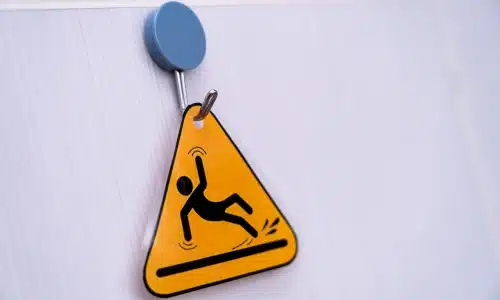
 Slip and fall accidents in Savannah can result in serious injuries and complex legal challenges that require immediate attention from an experienced slip and fall accident legal representative who understands Georgia’s premises liability laws. Property owners and businesses have a legal duty to maintain safe conditions for visitors. When the property owners fail to do so, innocent people can suffer devastating injuries from dangerous floors, inadequate lighting, or hazardous walkways. Savannah’s combination of historic cobblestone streets, tourist attractions, and busy commercial areas creates numerous opportunities for slip and fall accidents that could have been prevented with proper maintenance and safety measures.
If you’ve been injured in a slip and fall accident, don’t let property owners or their insurance companies convince you that your injuries were your fault. Contact the CEO Lawyer Personal Injury Law Firm today and schedule your consultation with dedicated attorneys who will thoroughly investigate your case and fight to hold negligent property owners accountable.
What Does a Slip and Fall Attorney Serving Savannah Do?
A slip and fall legal team serving the Savannah community provides specialized legal representation that addresses the unique challenges of premises liability cases, which often involve proving that property owners knew or should have known about dangerous conditions. These legal professionals understand that slip and fall cases require extensive investigation, expert testimony, and knowledge of Georgia’s specific premises liability statutes. They also recognize that insurance companies often try to blame victims for their injuries, making aggressive legal advocacy essential.
Essential services provided by slip and fall attorneys include:
- Investigate & Document: Thoroughly examine accident scenes, photographing hazards and documenting conditions before evidence is altered.
- Analyze Records: Review maintenance logs, incident reports, and inspection records to prove owner negligence.
- Find & Interview Witnesses: Locate and interview those who saw the accident or can attest to dangerous conditions.
- Coordinate Experts: Work with safety experts, engineers, and medical professionals for testimony on standards and injuries.
- Preserve Video: Secure surveillance footage quickly before it’s deleted.
- Negotiate with Insurers: Handle communications with insurance companies, countering blame-shifting tactics.
What Is a Slip and Fall Accident?
Slip and fall accidents, resulting in over a million emergency room visits annually, according to the National Floor Safety Institute, happen when individuals lose their footing and fall due to hazardous property conditions. These conditions often include wet floors, uneven surfaces, inadequate lighting, or obstructed walkways. Under Georgia’s premises liability law, property owners are obligated to maintain reasonably safe environments and inform visitors of known, unaddressable hazards.
Key elements that must be proven in slip and fall cases:
- Duty of Care: The property owner owed you a legal duty to maintain a safe environment. The specific level of this duty depends on your status as an invitee, licensee, or trespasser under Georgia law.
- Breach of Duty: The property owner failed to uphold this duty by not maintaining safe conditions or by failing to warn of known hazards. Their actions fell short of what a reasonable property owner would do.
- Causation: The dangerous condition was the direct cause of your fall and subsequent injuries. There must be clear evidence linking the hazard to your accident.
- Damages: You sustained verifiable damages due to the accident, such as medical costs, lost income, and emotional distress.
Common Causes of Slip and Fall Accidents in Savannah
Savannah’s unique environment creates specific slip and fall hazards that contribute to accident frequency and severity. The city’s historic downtown features centuries-old buildings, cobblestone streets, and irregular sidewalks that can be treacherous for pedestrians. Additionally, Savannah’s coastal climate brings frequent rain and humidity that can create slippery conditions throughout the year.
Frequent causes of slip and fall accidents in Savannah include:
- Slippery Surfaces: Wet floors from spills, recent mopping without warnings, or rainwater tracked into businesses like restaurants, shops, and hotels, especially in the Historic District and tourist areas.
- Uneven Walking Surfaces: Damaged sidewalks and walkways, such as those with cracks, breaks, deterioration around historic buildings, tree root damage, or poorly maintained parking lots, all pose tripping hazards.
- Poor Lighting: Insufficient illumination in stairwells, parking garages, and walkways can obscure dangerous conditions, a common issue in Savannah’s historic areas.
- Weather-Related Hazards: Negligence in addressing ice during rare winter events, wet leaves on walkways in the fall, and inadequate drainage leading to standing water.
- Obstructions: Construction materials, merchandise blocking pathways, or unremoved fallen branches and other debris in pedestrian areas.
- Defective Stairs and Handrails: Broken or missing handrails, uneven step heights, and deteriorating wooden stairs in older buildings that do not meet current safety standards.
Understanding Damages in Savannah Slip and Fall Cases
Georgia law allows slip and fall accident victims to recover various types of damages, though the extent of compensation depends on factors including the severity of injuries, the degree of property owner negligence, and any comparative fault assigned to the victim. The Georgia Department of Community Affairs provides resources about building codes and safety standards that can be relevant in premises liability cases.
Categories of damages available in slip and fall cases:
- Medical Expenses and Treatment Costs: Covers emergency room visits, diagnostic tests, surgery, physical therapy, and ongoing medical care that may be necessary for months or years post-accident.
- Lost Wages and Earning Capacity: Includes compensation for income lost during recovery and reduced earning potential due to permanent limitations or disabilities from injuries.
- Pain and Suffering: Addresses the accident’s impact on daily activities, causing physical pain, emotional distress, and decreased quality of life.
- Property Damage: Reimburses for the replacement of personal items damaged in the fall, such as clothing, electronics, and eyeglasses.
- Future Medical Care: Accounts for the costs of ongoing treatment, rehabilitation, and medical equipment needed due to permanent injuries sustained in the accident.
- Loss of Consortium: Provides compensation to spouses for the loss of companionship and support due to their partner’s slip and fall injuries and resulting limitations.
Steps to Take After a Slip and Fall Accident
The actions you take immediately following a slip and fall accident are crucial for protecting your legal rights and building a strong case against the property owner. Many people feel embarrassed after falling and want to leave quickly, but documenting the accident scene and your injuries is essential for successful legal action. The Occupational Safety and Health Administration provides workplace safety guidelines that can be relevant for slip and fall accidents in commercial settings.
Critical steps to take after a slip and fall accident:
- Seek Medical Attention: Immediately seek medical attention, even for minor injuries, as records are crucial.
- Report the Accident: Report the accident to the property owner/manager and request an incident report.
- Document Everything: Take photos of the hazard, your injuries, and the surrounding area.
- Collect Witness Information: Gather contact information from any witnesses.
- Preserve Evidence: Keep the clothes and shoes worn during the incident.
- Avoid Admitting Fault: Do not admit fault or give detailed statements without legal counsel.
Common Injuries in Slip and Fall Accident Cases in Savannah
Slip and fall accidents can result in a wide range of injuries, from minor bruises to life-threatening conditions that require extensive medical treatment and rehabilitation. The severity of injuries often depends on factors like the victim’s age, the height of the fall, and what body parts strike surfaces during the accident. Understanding common injury patterns helps victims recognize when they need immediate medical attention and legal representation.
Frequent injuries resulting from slip and fall accidents:
- Head and Brain Injuries: From concussions to permanent cognitive issues due to striking the head.
- Hip and Pelvic Fractures: Especially common in the elderly, often requiring surgery and extensive rehabilitation, potentially leading to permanent mobility limitations.
- Spinal Cord Injuries: Back and neck injuries ranging from herniated discs to paralysis.
- Broken Bones: Fractures in wrists, ankles, and other bones, often needing surgery and long recovery.
- Soft Tissue Injuries: Sprains, strains, and torn ligaments causing chronic pain and mobility issues, often requiring physical therapy.
- Cuts and Lacerations: Deep cuts that may result in permanent scarring and require surgical repair.
Why Choose the CEO Lawyer Personal Injury Law Firm?
Selecting experienced legal representation for your slip and fall case is critical because these cases often involve complex liability issues, detailed investigations, and insurance companies that aggressively defend against premises liability claims. Many property owners have extensive insurance coverage and legal teams working to minimize their liability, making it essential to have advocates who understand Georgia’s premises liability laws and know how to build compelling cases.
What sets the CEO Lawyer Personal Injury Law Firm apart in slip and fall cases:
- Specialized in Georgia slip and fall cases
- Leverage expert resources for investigation and medical testimony
- Deep understanding of insurance company tactics and readiness for trial ensure strong negotiation
- Possess local Savannah knowledge, crucial for premises liability challenges
How Long Do I Have to File a Slip and Fall Claim?
Georgia’s statute of limitations for slip and fall cases is two years from the date of the accident under Official Code of Georgia Annotated § 9-3-33. This deadline is strictly enforced by Georgia courts, and missing it typically results in permanent loss of the right to seek compensation, regardless of how strong your case might be or how severely you were injured.
The two-year deadline can become complicated in slip and fall cases where injuries worsen over time or where the full extent of damages isn’t immediately apparent. However, important evidence like surveillance video and witness memories can deteriorate quickly, making prompt legal consultation essential for preserving your rights.
Exceptions to the Statute of Limitations
While Georgia’s two-year statute of limitations is generally strictly applied, certain limited circumstances can extend these deadlines, though such exceptions are rarely granted and require meeting specific legal criteria. Understanding these potential exceptions is important, but relying on them is risky since courts interpret exceptions very narrowly.
Limited exceptions that may extend filing deadlines:
- Discovery Rule: When negligence wasn’t immediately discoverable.
- Minor Victims: Until the age of 20.
- Mental Incapacitation: Tolled until capacity is restored.
- Fraudulent Concealment: By property owners.
- Claims Against Government Entities: Different deadlines may apply.
Savannah Slip and Fall FAQ
Can my footwear affect my claim if I fell while wearing high heels or flip-flops?
Your choice of footwear doesn’t automatically disqualify your claim. While a property owner might argue your shoes contributed to the fall, they still have a duty to maintain safe premises. Under Georgia’s comparative negligence law, you can still recover compensation as long as you’re not more than 50% at fault, though your damages may be reduced by your percentage of responsibility. Your attorney will prioritize demonstrating the property owner’s negligence regarding the dangerous condition.
What if the property owner claims there were warning signs?
Warning signs don’t always absolve a property owner of liability. Your legal representation will investigate if the signs were adequate, clearly visible, and properly placed. Additionally, warning signs are generally considered temporary solutions; property owners are expected to rectify hazards within a reasonable timeframe. Evidence of a long-standing hazard with only warning signs could actually strengthen your case.
How is a property owner’s knowledge of the dangerous condition proven?
Establishing that a property owner knew about a hazard can be challenging, but it’s crucial. We seek direct evidence like incident reports or maintenance logs. More often, we prove “constructive notice,” showing the hazard existed long enough that a reasonable owner should have discovered it through routine inspections. For example, a spill left unaddressed for hours could indicate constructive notice.
Can I sue if I fell in a parking lot or on a sidewalk near a business?
Yes, you may have a valid claim against the business or the property owner responsible for maintaining those areas. Businesses typically have a duty to ensure the safety of their parking lots and adjacent sidewalks, including lighting, snow/ice removal, and repairs. However, liability can be complex, potentially involving the business, property management, or even the city. An attorney will identify all responsible parties and ensure your claim is correctly filed.
What if I didn’t seek medical attention immediately after my fall?
While prompt medical care is ideal, a delay doesn’t automatically ruin your case. Insurance companies may argue your injuries aren’t serious or related to the fall, but an attorney can explain valid reasons for delay (e.g., adrenaline masking pain, financial constraints, initial belief of minor injury). The crucial step is to seek medical attention as soon as possible and ensure your medical records clearly link your symptoms to the fall.
Trust Our Slip and Fall Law Firm Serving Savannah for Your Case
Slip and fall cases require extensive investigation, expert testimony, and aggressive advocacy to overcome the challenges that property owners and their insurance companies typically present. These cases often involve substantial medical expenses, lost wages, and long-term impacts on victims’ quality of life, making comprehensive legal representation essential for achieving fair compensation.
The CEO Lawyer Personal Injury Law Firm has the experience, resources, and dedication necessary to handle every aspect of your slip and fall case while you focus on recovery and rehabilitation. Their team understands the unique challenges these cases present and works tirelessly to ensure that negligent property owners are held fully accountable for failing to maintain safe conditions. Don’t let property owners or their insurance companies minimize your injuries or shift blame to you for their negligence. Contact the CEO Lawyer Personal Injury Law Firm today at (470) 323-8779 to schedule a free consultation and learn how an experienced slip and fall legal team can help secure the compensation you need for your recovery.