

 With the growing popularity of Uber and Lyft in South Georgia, ridesharing has become a convenient transportation option, but it also brings new challenges when accidents occur.
A Valdosta rideshare accident lawyer understands the complex insurance and liability issues that arise in these cases, which often involve multiple parties such as the rideshare driver, the company, other motorists, and their respective insurers.
Whether you were a passenger, another driver, or even a pedestrian involved in a rideshare collision, the path to securing fair compensation can be far from straightforward. Determining whose insurance applies, how coverage limits work, and when the rideshare company is responsible requires a deep understanding of Georgia law and the unique regulations that govern these services.
If you’ve been injured in an Uber or Lyft accident, don’t face the process alone. Call the CEO Lawyer Personal Injury Law Firm at (470) 323-8779 today for dedicated guidance and aggressive representation.
What Does a Valdosta Rideshare Accident Attorney Do for My Case
Valdosta rideshare accident attorneys play a crucial role in navigating the unique legal and insurance challenges that come with Uber and Lyft accidents. These cases often involve multiple parties, overlapping insurance policies, and strict procedural rules, making professional legal guidance essential to securing fair compensation. Our attorneys manage every stage of your claim so you can focus on recovery.
- Determining which insurance policy applies (driver, rideshare company, third party): Liability can depend on whether the driver was logged into the app, on the way to pick up a passenger, or actively transporting one. Understanding these distinctions helps identify the correct insurance coverage.
- Gathering evidence, including trip data and driver app status: Trip records, GPS logs, and app screenshots can provide valuable proof of the driver’s status and responsibility at the time of the crash.
- Collecting witness statements and traffic camera footage: First-hand accounts and video evidence can strengthen your case by confirming fault and detailing how the accident occurred.
- Filing insurance claims and handling negotiations: We manage all communication with insurers, working to counter lowball offers and ensure your damages are fully recognized.
- Pursuing litigation when necessary for full compensation: If negotiations fail, we’re prepared to present your case in court, seeking damages for medical expenses, lost wages, and pain and suffering.
Our work as Valdosta rideshare accident attorneys is focused on protecting your rights and securing the recovery you deserve. Learn more about your legal options by consulting a Valdosta personal injury lawyer who understands these complex cases.
What Is a Rideshare Accident Claim
A rideshare accident claim is the process of pursuing compensation after being hurt in a crash involving an Uber, Lyft, or another rideshare vehicle. These cases are often more complicated than regular car accidents because they involve special insurance rules, company policies, and how drivers are classified under Georgia law. Knowing how all these pieces fit together is key to building a strong case.
- Legal classification of Uber/Lyft drivers as independent contractors: Because rideshare drivers are not employees, the companies may try to limit their liability for accidents, shifting responsibility to the driver’s personal insurance.
- How coverage varies depending on app status (waiting, en route, active trip): The driver’s status in the app at the time of the crash determines whether the rideshare company’s insurance applies and how much coverage is available.
- Rights of injured passengers, pedestrians, and other drivers: Any injured party—whether inside the rideshare vehicle or outside of it—may be entitled to pursue a claim against the responsible driver, the company, or both.
- Multiple layers of insurance (driver’s policy and rideshare company coverage): Claims often involve both the driver’s personal auto policy and the company’s commercial coverage, which can have high limits but strict requirements.
- Georgia law regarding rideshare liability: State regulations govern insurance minimums, safety requirements, and liability standards for rideshare operations, shaping how claims are handled.
A rideshare accident claim aims to secure compensation for medical expenses, lost income, pain and suffering, and other damages caused by the crash.
Common Causes of Rideshare Accidents in Valdosta
Rideshare accidents in Valdosta can happen for many of the same reasons as other vehicle collisions, but certain risk factors are more common due to the nature of Uber and Lyft driving. Our Valdosta rideshare accident lawyers often see these contributing causes:
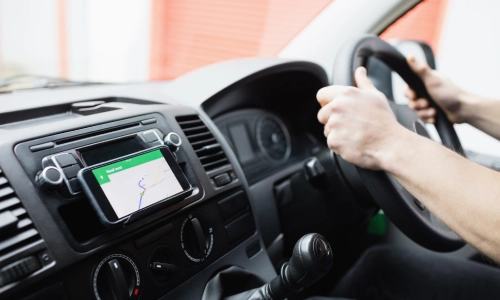
- Distracted driving while using the app or GPS: Constantly checking ride requests, navigation, or passenger messages can take a driver’s attention away from the road.
- Driver fatigue from long shifts or multiple jobs: Many rideshare drivers work extended hours, increasing the risk of slow reaction times and poor judgment.
- Speeding to complete more trips: Drivers may rush to maximize earnings, which can lead to dangerous speeding and aggressive maneuvers.
- Poor vehicle maintenance by independent drivers: As independent contractors, drivers are responsible for their own vehicle upkeep, and neglected maintenance can lead to mechanical failures.
- Inexperience or lack of local road knowledge: New drivers or those unfamiliar with Valdosta’s streets may make navigation errors that cause accidents.
These risks are compounded by the insurance and operational rules that govern rideshare services in Georgia, as outlined by the Georgia Office of Insurance & Fire Safety, which oversees rideshare coverage requirements.
Understanding Damages in Valdosta Rideshare Accident Cases
Damages in a rideshare accident case represent the full scope of losses a victim experiences, not just the immediate costs after the crash. Our Valdosta rideshare accident lawyers evaluate every aspect of the harm caused to ensure the compensation demand reflects both current needs and long-term consequences.
- Medical expenses for current and future care: From emergency treatment to ongoing rehabilitation or surgeries, medical costs can be substantial.
- Lost income and diminished earning capacity: Injuries may force time off work or limit the ability to return to the same job or income level.
- Pain and suffering for physical and emotional trauma: This accounts for chronic pain, anxiety, depression, and the disruption of normal life.
- Property damage or replacement: Includes repairing or replacing damaged personal property, such as a vehicle, phone, or other belongings.
- Permanent disability or long-term medical needs: Serious injuries can lead to lifelong impairments that require continued care and support.
A thorough damage assessment ensures victims seek fair recovery for all that has been lost, not just the obvious expenses.
Steps to Take After a Rideshare Accident
The moments following a rideshare accident can be stressful, but taking the right steps can protect both your health and your legal claim. First, seek medical treatment immediately, even if you believe your injuries are minor; some conditions, like concussions or internal injuries, may not show symptoms right away.
Next, notify law enforcement and request a formal accident report, which can be an essential piece of evidence. Document key details by taking screenshots of your ride status, app records, and driver information, as well as photos of the vehicles and scene. Gathering the names and contact information of witnesses can also strengthen your case.
In Georgia, drivers and passengers have specific reporting obligations under state law, which are outlined by the Georgia Department of Driver Services. Finally, reach out to a Valdosta rideshare accident lawyer who can explain your rights, handle communication with insurers, and ensure your claim is filed correctly and on time.
What Is the Statute of Limitations for Rideshare Accident Cases in Valdosta
In Georgia, the statute of limitations sets the legal time limit for filing a rideshare accident lawsuit. For most personal injury claims, including accidents involving Uber, Lyft, and other rideshare services, you generally have two years from the date of the crash to file your case in court. This deadline applies whether you were a passenger, another driver, or a pedestrian injured in the collision.
The purpose of this time limit is to encourage prompt legal action, preserve important evidence, and ensure witness testimony remains reliable. Waiting too long can result in losing your right to recover compensation, no matter how strong your claim might be.
Georgia law, as outlined in the state’s statute of limitations, makes it clear that missing the deadline can be fatal to your case. Acting quickly allows your attorney to gather records, secure witness statements, and handle negotiations while the evidence is still fresh.
Our Valdosta rideshare accident lawyers can evaluate your case, determine your exact filing window, and take immediate steps to protect your right to compensation.
Exceptions to the Statute of Limitations
While Georgia’s two-year filing deadline applies to most rideshare accident cases, certain situations can extend or pause this period:
- Victim is a minor: The clock usually starts on the victim’s 18th birthday.
- Discovery of injuries occurs after the crash: Some injuries may not be apparent immediately, delaying the start of the filing period.
- Defendant is missing or unidentifiable: If the at-fault party can’t be found, the statute may be paused until they are located.
- Victim is incapacitated: Physical or mental incapacity can delay the deadline until the victim can manage their own legal affairs.
- Claims involving government vehicles or road design issues: These cases often have shorter deadlines and require special filing procedures.
Understanding how these exceptions apply to your case is vital to preserving your right to compensation.
Why Choose the CEO Lawyer Personal Injury Law Firm
When you’ve been injured in a rideshare accident, having the right legal team on your side can make the difference between accepting a minimal settlement and securing the full compensation you deserve. Our Valdosta rideshare accident lawyers combine legal skill, investigative resources, and a commitment to client care, ensuring no aspect of your case is left unaddressed.
- Experience with Uber, Lyft, and other rideshare-related claims: We have handled cases involving all major rideshare companies and understand the unique liability challenges these claims present.
- Knowledge of insurance coverage tiers and policy exclusions: From app-off coverage gaps to million-dollar commercial policies, we know how to navigate the insurance structure to find the maximum available coverage.
- Strong negotiation tactics with both personal and corporate insurers: We anticipate the strategies insurers use to reduce payouts and counter them effectively.
- A client-first approach with regular updates and guidance: You’ll receive consistent communication so you always understand your options and case progress.
- History of positive results for victims of multi-party accidents: Our record includes favorable settlements and verdicts in complex cases involving multiple drivers, insurers, and shared liability.
When You Need Help, Choose Our Valdosta Rideshare Accident Law Firm
Rideshare accident claims can be far more complicated than standard car accident cases. Multiple parties may be involved, including the rideshare driver, other motorists, and the rideshare company itself, each with separate insurance policies and coverage rules.
Determining liability often requires reviewing trip data, app status, and company policies, while also navigating Georgia’s specific rideshare regulations. Insurance companies, whether personal or corporate, may dispute fault or undervalue claims, leaving victims without the compensation they need.
Our Valdosta rideshare accident lawyers have the experience and resources to handle these challenges from start to finish. We gather evidence, identify all possible sources of coverage, and negotiate aggressively to protect your rights.
When necessary, we are prepared to take your case to court to potentially secure fair compensation for your injuries, lost wages, and other damages. If you’ve been hurt in an Uber or Lyft accident, call the CEO Lawyer Personal Injury Law Firm at (470) 323-8779 for a free consultation.
Valdosta Rideshare Accident FAQ
What if I were injured as a rideshare passenger
If you were injured while riding in an Uber or Lyft, you may be entitled to compensation through the rideshare company’s insurance policy. These companies typically carry substantial coverage for passengers during active trips, which can include medical expenses, lost wages, and pain and suffering. The process usually involves filing a claim with the rideshare company’s insurer, but determining coverage requires confirming the driver’s app status at the time of the crash. An attorney can handle this process and ensure your claim is valued correctly.
Can I sue Uber or Lyft directly
In most cases, you cannot sue Uber or Lyft directly because their drivers are classified as independent contractors rather than employees. However, if the company’s negligence—such as failing to conduct proper driver background checks contributed to the accident, a direct claim may be possible. These cases can be complex and require strong evidence linking the company’s actions or omissions to the crash.
Does the driver’s insurance cover me or the rideshare company
Coverage depends on the driver’s app status. If the app is off, only the driver’s personal insurance applies. If the driver was logged in but waiting for a ride, a lower level of rideshare coverage may be available. Once a passenger is being transported, the rideshare company’s $1 million liability policy generally applies. Determining which coverage is in effect is a key step in pursuing your claim.
What if I were hit by a rideshare driver while walking or biking
Pedestrians and cyclists struck by rideshare drivers can often seek compensation from the driver’s personal insurance or the rideshare company’s policy, depending on the app status. Evidence such as trip records, witness statements, and traffic camera footage can help establish liability and coverage.