




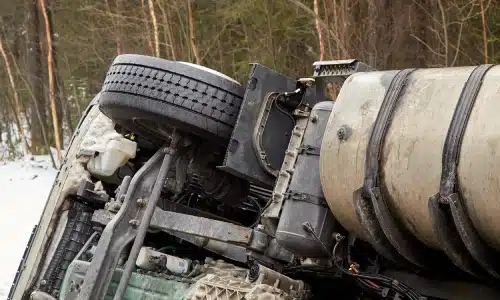
 Truck accidents in Savannah can result in catastrophic injuries and complex legal battles that require immediate attention from a truck accident legal team that understands federal trucking regulations and Georgia state laws. When massive commercial vehicles weighing up to 80,000 pounds collide with passenger cars, the consequences are often devastating, involving serious injuries and complicated liability issues.
The aftermath of a truck accident can be overwhelming, especially when dealing with trucking companies and their powerful insurance teams. Contact the CEO Lawyer Personal Injury Law Firm today and speak with a dedicated legal representative with experience in truck accident cases and will fight aggressively to protect your rights.
What Does a Truck Accident Attorney Serving Savannah Do?
A truck accident legal team serving Savannah provides legal representation that addresses the unique complexities of commercial vehicle accidents, which involve federal regulations, multiple liable parties, and extensive investigation requirements. These legal professionals understand that truck accident cases often require analyzing driver logbooks, vehicle maintenance records, and company safety policies.
Essential services provided by the truck accident legal team include:
- Federal Regulation Compliance Analysis: Examining whether trucking companies and drivers violated Federal Motor Carrier Safety Administration rules regarding driving hours and safety protocols.
- Electronic Data Recovery: Securing data from electronic logging devices and onboard computers that track driver behavior and compliance with regulations.
- Multi-Party Liability Investigation: Identifying all potentially responsible parties, including truck drivers, trucking companies, cargo loaders, and maintenance providers.
- Accident Reconstruction: Working with specialized experts who understand truck dynamics and the physics of large commercial vehicle collisions.
- Insurance Coverage Analysis: Navigating complex commercial insurance policies that often involve higher policy limits than standard auto insurance.
- Corporate Accountability Strategies: Investigating trucking company practices, safety records, and corporate policies that may have contributed to accidents.
What Is a Truck Accident?
A truck accident involves any collision with commercial vehicles, including tractor-trailers, delivery trucks, tanker trucks, or other large commercial vehicles operating in interstate or intrastate commerce. Large trucks are involved in approximately 400,000 accidents annually nationwide, with a disproportionate number resulting in serious injuries or fatalities.
Key factors that make truck accidents uniquely dangerous:
- Size and Weight Disparity: Commercial trucks can weigh 20-40 times more than passenger vehicles, creating massive force differentials that often result in catastrophic damage to smaller vehicles.
- Stopping Distance Requirements: Large trucks require significantly longer distances for their stopovers, particularly when fully loaded, making rear-end collisions especially devastating.
- Blind Spot Zones: Commercial trucks have extensive blind spots around all sides of the vehicle where passenger cars can disappear from the driver’s view completely.
- Cargo-Related Hazards: Improperly secured or hazardous cargo can create additional dangers, including spills, fires, or load-shift accidents that affect vehicle stability.
Common Causes of Truck Accidents in Savannah
Savannah’s position as a major port city creates heavy commercial truck traffic through I-95, I-16, and local roads leading to the Port of Savannah. This constant flow of freight traffic, combined with tourist vehicles and local commuters, creates numerous opportunities for serious truck accidents throughout the metropolitan area.
Frequent causes of truck accidents in Savannah include:
- Driver Fatigue and Hours-of-Service Violations: Truck drivers exceeding federal limits on driving time or failing to take required rest breaks, particularly problematic given the pressure to meet delivery schedules at the busy port.
- Distracted Driving: Commercial drivers using cell phones, GPS devices, or eating while operating massive vehicles through Savannah’s congested traffic areas and construction zones.
- Improper Loading and Cargo Issues: Overloaded trucks, improperly secured cargo, or hazardous materials create instability, particularly dangerous when navigating Savannah’s bridges and interchanges.
- Inadequate Vehicle Maintenance: Brake failures, tire blowouts, and mechanical problems resulting from deferred maintenance on commercial vehicles operating under demanding schedules.
- Speeding and Aggressive Driving: Commercial drivers exceeding safe speeds for conditions, following too closely, or making unsafe lane changes in heavy traffic around the port and industrial areas.
- Weather-Related Factors: Failure to adjust driving for rain, fog, or other weather conditions common in coastal Georgia can reduce visibility and road traction.
Understanding Damages in Savannah Truck Accident Cases
Georgia law allows truck accident victims to recover various types of damages, with cases often involving significantly higher compensation amounts due to the severity of injuries and the commercial insurance coverage typically carried by trucking companies. The Georgia Department of Public Safety maintains statistics on commercial vehicle accidents and safety initiatives.
Categories of damages available in truck accident cases:
- Medical Expenses: Including emergency treatment, surgery, hospitalization, rehabilitation, and ongoing medical care, often extending over years due to severe trauma injuries common in truck accidents.
- Lost Wages and Earning Capacity: Compensation for income lost during recovery and reduced earning potential if injuries prevent return to previous employment or career advancement.
- Pain and Suffering: Compensation for physical pain, emotional trauma, and reduced quality of life resulting from severe injuries that often accompany truck accidents.
- Property Damage: Repair or replacement costs for vehicles, which are often total losses in truck accidents due to the massive force involved in collisions.
- Punitive Damages: Additional compensation designed to punish trucking companies for gross negligence, safety violations, or willful disregard for public safety.
- Wrongful Death Damages: In fatal cases, compensation for funeral expenses, lost income, and loss of companionship for surviving family members.
Steps to Take After a Truck Accident
The actions you take immediately following a truck accident are crucial for protecting your legal rights and preserving evidence that may disappear quickly as trucking companies mobilize their response teams. The National Transportation Safety Board emphasizes the importance of preserving evidence in commercial vehicle accidents.
Critical steps to take after a truck accident:
- Seek Emergency Medical Attention: Call 911 immediately and accept all recommended medical treatment, as truck accident injuries are often severe and may include internal injuries not immediately apparent.
- Document the Scene Thoroughly: Take extensive photos of all vehicles, damage, road conditions, traffic signs, and the truck’s company information, DOT numbers, and license plates.
- Identify All Parties and Witnesses: Collect information from the truck driver, other drivers, passengers, and witnesses while ensuring law enforcement documents all relevant details.
- Preserve Electronic Evidence: Request that law enforcement secure the truck’s electronic data, and avoid discussing the accident on social media, where trucking company investigators might find information.
- Contact Legal Representation Quickly: Trucking companies often dispatch investigation teams immediately, making prompt legal representation essential for protecting your interests.
- Avoid Insurance Company Statements: Defer detailed statements to trucking company insurers until you have legal representation, as these companies have extensive experience minimizing claims.
Common Injuries in Truck Accident Cases in Savannah
Truck accidents typically result in severe, life-altering injuries due to the massive size and weight differences between commercial vehicles and passenger cars. The force involved in truck collisions often causes multiple trauma injuries that require extensive medical treatment and long-term rehabilitation.
Frequent injuries resulting from truck accidents:
- Traumatic Brain Injuries: Head trauma from impact forces can cause permanent cognitive disabilities, personality changes, and require lifelong care and supervision.
- Spinal Cord Injuries: Back and neck injuries that may result in partial or complete paralysis, fundamentally changing victims’ lives and requiring extensive adaptive equipment.
- Multiple Bone Fractures: Complex fractures requiring multiple surgeries, metal implants, and extended rehabilitation, sometimes resulting in permanent mobility limitations.
- Internal Organ Damage: Severe internal injuries requiring emergency surgery and ongoing medical monitoring, often with long-term health complications.
- Severe Burns: From fuel fires or chemical spills that may require skin grafts and result in permanent scarring and disfigurement.
- Amputations: Traumatic loss of limbs requiring prosthetics, extensive rehabilitation, and significant lifestyle adaptations for victims and families.
Why Choose the CEO Lawyer Personal Injury Law Firm?
Selecting experienced legal representation for your truck accident case is crucial because these cases involve federal regulations, multiple defendants, and trucking companies with extensive legal resources dedicated to minimizing liability. Many law firms lack the knowledge and resources necessary to effectively challenge major trucking companies and their insurance carriers.
What sets the CEO Lawyer Personal Injury Law Firm apart in truck accident cases:
- Federal Trucking Law Experience: Deep understanding of FMCSA regulations, hours-of-service rules, and federal safety requirements that often play crucial roles in truck accident cases.
- Commercial Vehicle Knowledge: Experience with truck accident reconstruction, electronic data analysis, and the unique dynamics of large commercial vehicle collisions.
- Corporate Investigation Resources: Ability to investigate trucking company safety records, corporate policies, and industry practices that may have contributed to accidents.
- Multi-Defendant Case Management: Skill in managing complex cases involving trucking companies, drivers, cargo companies, and other potentially liable parties.
- Insurance Coverage Maximization: Experience in identifying and accessing all available insurance coverage sources to ensure maximum compensation for severe injuries.
- Trial Experience: Proven ability to take truck accident cases to trial when companies refuse fair settlements, ensuring maximum negotiating leverage.
How Long Do I Have to File a Truck Accident Claim?
Georgia’s statute of limitations for truck accident cases is two years from the date of the accident under Official Code of Georgia Annotated § 9-3-33. However, truck accident cases often involve federal regulations and interstate commerce issues that can complicate filing deadlines and procedural requirements.
The complexity of truck accident cases means that crucial evidence can be lost or destroyed if legal action isn’t initiated promptly. Trucking companies are required to maintain certain records for specific periods, and electronic data may be automatically overwritten if not preserved quickly through legal action.
Exceptions to the Statute of Limitations
While Georgia’s two-year statute of limitations is generally strictly enforced, certain circumstances specific to truck accidents can extend these deadlines, though such exceptions are rare and require meeting specific legal criteria.
Limited exceptions that may extend filing deadlines:
- Federal Preemption Issues: When federal trucking regulations conflict with state law requirements, different limitation periods may apply under federal jurisdiction.
- Corporate Fraud or Concealment: If trucking companies actively conceal safety violations or destroy evidence, the statute may be extended until discovery.
- Minor Victims: Children injured in truck accidents have until their 20th birthday to file claims, recognizing that minors cannot independently pursue legal action.
- Interstate Commerce Complications: When accidents involve trucks operating across state lines, federal law may provide different limitation periods than Georgia state law.
- Discovery of Regulatory Violations: In cases where federal safety violations aren’t immediately apparent, the statute may begin running from when violations are discovered.
Savannah Truck Accident FAQ
What happens if the truck driver was an independent contractor rather than a company employee?
Even when truck drivers are classified as independent contractors, you may still have valid claims against trucking companies under various legal theories. Federal regulations require trucking companies to ensure that contractors meet safety standards, maintain proper insurance, and comply with hours-of-service rules. Companies can be held liable for negligent hiring, inadequate supervision, or creating unrealistic delivery schedules that pressure drivers to violate safety regulations. Your attorney will investigate the actual relationship between the driver and the company to determine if they exercised sufficient control to create liability beyond the independent contractor classification.
Can I recover compensation if the truck was carrying hazardous materials that made my injuries worse?
Yes, trucks carrying hazardous materials are subject to additional federal regulations, and violations of these rules can strengthen your case significantly. Hazardous material carriers must follow strict protocols for loading, transporting, and emergency response procedures. If hazardous cargo contributed to your injuries through spills, fires, or toxic exposure, you may have additional claims beyond the initial collision. These cases often involve higher compensation due to the severity of injuries and the enhanced duty of care required when transporting dangerous materials through populated areas like Savannah.
How do electronic logging devices (ELDs) help prove my truck accident case?
Electronic logging devices are federally mandated systems that automatically track truck drivers’ hours of service, vehicle speed, location, and other crucial data. This information can provide objective evidence about whether the driver was speeding, exceeded driving time limits, or violated other safety regulations. ELD data can also show if the trucking company pressured drivers to violate hours-of-service rules or if mechanical problems contributed to the accident. Your attorney will work quickly to preserve this electronic evidence before it’s automatically overwritten or deleted by the trucking company.
What if the trucking company claims their driver had a medical emergency that caused the accident?
Medical emergencies don’t automatically excuse trucking companies from liability, as federal regulations require rigorous medical screening and ongoing health monitoring of commercial drivers. Your attorney will investigate whether the driver had known medical conditions that should have disqualified them from driving, if the company failed to require proper medical examinations, or if warning signs of health problems were ignored. Companies can still be held liable for negligent hiring or retention if they allowed medically unfit drivers to operate commercial vehicles, especially if the medical condition was foreseeable or preventable.
How does the size and weight of the truck affect my compensation in an accident case?
The massive size and weight of commercial trucks directly impact both the severity of injuries and the amount of compensation available. Heavier trucks create more devastating crashes, often resulting in catastrophic injuries that require extensive medical treatment and long-term care. Additionally, commercial trucks typically carry much higher insurance coverage limits than passenger vehicles, often $1 million or more, compared to standard auto policies. The physics of truck accidents also makes it easier to prove that even minor negligence by truck drivers can have severe consequences, supporting higher damage awards for pain and suffering and punitive damages.
Trust Our Truck Accident Law Firm Serving Savannah for Your Case
Truck accident cases represent some of the most complex and high-stakes personal injury claims, requiring attorneys who understand federal regulations, commercial insurance policies, and the resources necessary to challenge major trucking companies. The severity of truck accident injuries often means that victims face lifetime medical expenses and disabilities that require comprehensive legal representation.
The CEO Lawyer Personal Injury Law Firm has the knowledge, investigative resources, and trial experience necessary to take on trucking companies and the insurance carriers while protecting your rights throughout the legal process. Our team understands that truck accidents aren’t just car crashes; they’re complex commercial transportation incidents involving federal oversight and corporate accountability issues that require sophisticated legal strategies. Don’t let trucking companies minimize your claim or shift blame based on their superior resources and experience. Contact the CEO Lawyer Personal Injury Law Firm today at (470) 323-8779 to schedule a free consultation and learn how our truck accident legal team can help secure the compensation you deserve.