



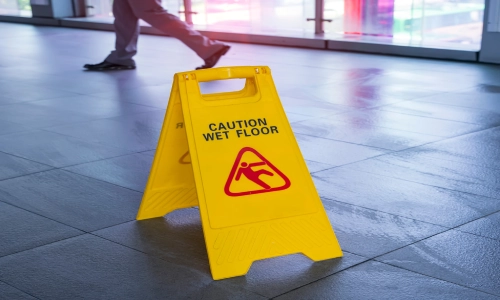
 Our Texas slip and fall accident lawyers are here to protect people who’ve been injured due to unsafe property conditions. Whether it happened at a grocery store, apartment complex, or workplace, these accidents can leave you with serious injuries that disrupt your life. Property owners have a responsibility to maintain safe environments. When they don’t, our team steps in to hold them accountable.
The CEO Lawyer Personal Injury Law Firm has built a reputation for taking on cases others won’t. We understand how insurance companies operate, and we know how to build a strong claim that proves liability.
Our Texas personal injury attorneys take the time to gather evidence, speak with witnesses, and ensure your injuries are fully documented. When you’re represented by the CEO Lawyer, you’re backed by a legal team that treats your case with urgency and care.
Slip and fall cases might sound minor, but the impact can be long-lasting. From fractured bones to spinal injuries, these accidents often come with medical bills, lost wages, and emotional stress. You don’t have to go through that alone. Our slip and fall accident lawyers are here to guide you through the process and fight for the compensation you deserve.
How a Texas Slip and Fall Accident Attorney Can Help After an Injury
Slip and fall accidents can happen anywhere, and when they do, the consequences can be severe. Injuries from these incidents often involve emergency care, extended recovery periods, and long-term physical challenges. When these accidents occur due to negligence, it’s important to know your rights and how to pursue them.
Understanding Premises Liability in Texas
Premises liability is the legal concept that holds property owners accountable when someone gets hurt on their property due to unsafe conditions. Whether it’s a retail store, apartment building, or office space, the law requires owners to fix known hazards or clearly warn others about them.
Legal Responsibilities of Property Owners
Property owners and managers must regularly inspect and maintain their spaces to prevent injuries. Their responsibilities include:
- Fixing known hazards: Leaky pipes, broken stairs, or loose tiles must be repaired promptly to prevent harm.
- Posting warning signs: When an issue can’t be fixed immediately, like a freshly mopped floor, they’re required to provide a clear warning.
- Monitoring common areas: High-traffic spots like hallways and entrances should be checked routinely for potential dangers.
Common Causes of Slip and Fall Accidents
Slip and fall incidents can be caused by a wide range of conditions, many of which are entirely preventable with proper maintenance. These accidents may happen suddenly, but the root cause is often long-standing neglect.
Examples of Dangerous Conditions
- Wet or slippery floors: Often the result of spills, cleaning without signage, or weather-related moisture.
- Uneven surfaces: Cracked sidewalks, torn carpets, or unmarked steps can all create tripping hazards.
- Poor lighting: Dim or burnt-out lights in stairwells or parking lots can make it hard to see and avoid obstacles.
- Loose handrails: Missing or unstable support can cause serious injury when someone loses their balance.
Where Slip and Fall Accidents Commonly Happen
Some places are more prone to slip and fall accidents simply because of how many people move through them and how they’re managed. Public and private property alike carry risks when they’re not maintained properly.
High-Risk Locations for Slip and Fall Accidents
- Grocery stores: Spills and cluttered aisles are leading causes of injuries.
- Parking lots: Potholes, uneven pavement, and poor lighting all increase the chance of falling.
- Apartment complexes: Broken stairs, ice-covered walkways, or failing infrastructure can cause tenants and guests to get hurt.
- Workplaces: Especially in warehouses or restaurants, where spills and fast movement are common.
Seeking Compensation After a Slip and Fall Injury
When someone else’s negligence causes your injury, you’re entitled to seek damages. These can go beyond just covering medical bills; they also address the broader impact the injury has had on your life.
Types of Recoverable Damages
- Medical expenses: This includes ER visits, follow-ups, surgeries, and future care related to the injury.
- Lost wages: If the injury forced you to miss work or limited your ability to return, you can seek compensation for that loss.
- Pain and suffering: Long-term pain, emotional distress, and reduced quality of life are factored into many claims.
- Out-of-pocket costs: From crutches to transportation, any money you had to spend because of the injury can be included.
Types of Slip and Fall Accident Cases We Handle
Slip and fall accidents can happen anywhere people live, work, or visit. Our attorneys have experience handling the particular challenges associated with different types of properties. Whether your injury happened in a public space, private residence, or on the job, we understand how to investigate, document, and pursue compensation for your specific situation.
Residential and Apartment Complex Accidents
Landlords and property managers are responsible for keeping their properties safe for tenants and visitors. When they ignore maintenance issues or delay repairs, people can get seriously hurt.
Staircase Falls
Broken steps, loose handrails, or poor lighting are leading causes of falls in multi-level buildings. These conditions are often overlooked until someone suffers a painful injury.
Sidewalk and Entryway Hazards
Cracked pavement, unshoveled snow, or slippery surfaces at entrances put everyone at risk. Tenants and guests shouldn’t have to navigate danger just to get home.
Balcony and Deck Collapses
Structural failures involving balconies or decks can lead to devastating, catastrophic injuries. These cases often involve poor construction or a lack of routine inspection and maintenance.
Workplace Slip and Fall Injuries
Slip and fall injuries at work are common across many industries, from busy job sites to corporate offices. These incidents can disrupt your income, mobility, and future job security.
Slippery Floors and Walkways
Spills, worn flooring, or a lack of signage can create unsafe environments for employees. Injuries in these conditions are often preventable with proper upkeep and policies.
Construction Sites
Construction zones are hazardous by nature, but poor supervision or failure to follow safety protocols increases the chance of accidents. Loose materials, uneven ground, or unmarked hazards all create avoidable risks.
Office Environments
Even in corporate settings, slip-and-fall risks exist. Water leaks, cluttered walkways, or poorly maintained flooring can cause accidents that impact employees’ health and productivity.
The CEO Lawyer Personal Injury Law Firm handles a wide range of these cases with focus and urgency. Our attorneys take a tactical approach, working case by case to gather evidence and pursue accountability. Backed by a legal team that understands the system and how to challenge it, we help clients take control after an unexpected injury disrupts their lives.
Key Legal Principles Governing Slip and Fall Cases in Texas
Slip and fall cases fall under a specific area of personal injury law called premises liability. In Texas, these cases rely heavily on proving that the property owner or occupier was negligent in maintaining safe conditions. Victims must also show that the injury wasn’t just an accident, but one that could have been prevented with reasonable care.
Understanding Comparative Negligence in Texas
Texas follows a modified comparative negligence rule, which means that even if you were partially at fault for the accident, you may still be eligible for compensation, as long as you’re not more than 50% responsible. However, the amount of your compensation can be reduced based on your share of the fault.
How Comparative Negligence Affects Compensation
For example, if you were found to be 20% at fault for the accident, any settlement or award you receive would be reduced by that percentage. Insurance companies often use this principle to limit payouts, which is why experienced legal representation can make a critical difference.
Establishing Negligence in a Slip and Fall Case
Proving negligence is the foundation of any successful slip and fall claim. It requires more than showing that you were injured; you must prove that the property owner failed in their legal duty to maintain a reasonably safe environment.
Key Elements of a Successful Claim
- The property owner had a legal duty to maintain the area.
- That duty was breached by failing to address or warn about a hazardous condition.
- The hazard directly caused your injury.
- You suffered damages as a result (medical bills, lost income, pain, and suffering).
Unique Factors Affecting Slip and Fall Cases in Texas
Slip and fall cases can vary widely depending on where and how the injury occurred. In Texas, certain environmental and regulatory conditions can influence the complexity of a claim.
Common Local Challenges in Slip and Fall Cases
- Weather-related incidents: Rain or ice-related falls may involve questions about whether property owners had adequate warning or cleanup procedures in place.
- Private vs. public property: Claims against government entities involve stricter notice deadlines and liability limitations.
- Insurance policies: Some businesses carry minimal coverage or aggressive claims adjusters who resist fair settlements.
These added challenges are why many Texans turn to trusted legal advocates like the CEO Lawyer Personal Injury Law Firm. With a reputation built on results and resilience, our firm works behind the scenes to counter lowball offers, expose negligence, and maximize your recovery.
Time Limits for Filing a Slip and Fall Claim in Texas
Like all personal injury cases, slip and fall claims in Texas must be filed within a specific timeframe. This legal window is known as the statute of limitations.
Legal Deadlines for Filing a Claim
In Texas, the deadline to file a personal injury lawsuit is typically two years from the date of the incident. If you miss this deadline, your right to recover damages may be lost entirely. Some cases involving public property require even shorter notice periods, which makes early legal consultation crucial.
Proving Liability Against Property Owners
Holding a property owner liable requires showing that they either created the hazardous condition or failed to fix it despite knowing (or having reason to know) about it.
Responsibilities of Property Owners
Property owners are expected to:
- Regularly inspect their premises for risks
- Correct unsafe conditions promptly
- Warn visitors of dangers that aren’t immediately obvious.
Where Slip and Fall Accidents Commonly Happen
These accidents can take place in nearly any setting, but some locations see a higher volume of cases due to heavy foot traffic or poor upkeep.
High-Risk Locations for Slip and Fall Accidents
- Retail stores and malls
- Apartment buildings and housing complexes
- Restaurants and fast-food chains
- Parking lots and sidewalks
- Hospitals and nursing homes
These spaces demand high standards of safety and oversight; when that’s lacking, people get hurt.
How Our Attorneys Can Strengthen Your Slip and Fall Case
Working with our attorneys gives your case a clear advantage. From preserving key evidence to handling negotiations, legal professionals manage every step while you focus on recovery.
How a Lawyer Helps Slip and Fall Victims
- They evaluate the full value of your claim, including long-term care needs or lost earning potential.
They negotiate with insurance companies to reject unfair settlement offers. - They collect and preserve evidence like surveillance footage or inspection reports.
- They build a timeline that connects the unsafe condition to the property owner’s negligence.
At the CEO Lawyer Personal Injury Law Firm, our attorneys focus on turning stressful moments into structured, strategic cases. Known for their aggressive pursuit of justice, our team pushes back hard when clients are being treated unfairly, because every injury deserves a real response.
How a Texas Slip and Fall Accident Law Firm Supports Your Case
Choosing the right law firm after a slip and fall injury is one of the most important decisions you’ll make. These cases aren’t always straightforward. From proving negligence to negotiating with insurance companies, success depends on the experience and dedication of the legal team you choose to represent you.
Why Choose the CEO Lawyer Personal Injury Law Firm?
At the CEO Lawyer Personal Injury Law Firm, we focus on protecting the injured and holding property owners accountable. Our attorneys know how to dig into the facts, challenge low settlement offers, and build cases that get real results. With a reputation built on trust and persistence, we’re proud to be one of the most recognizable legal brands in the country.
When you work with our team, you’re not treated like a case number, you’re treated like family. From the first consultation to the final settlement, our focus is on clarity, communication, and fighting for the outcome you deserve.
Contact the CEO Lawyer Personal Injury Law Firm Today
Slip and fall injuries can leave you with medical bills, lost wages, and long-term pain. You don’t have to face it alone.
Contact us at (469) 461-4605 today to schedule your free consultation. Let the CEO Lawyer Personal Injury Law Firm be your voice and your advocate in your time of need.
Whether you’re still recovering or ready to file a claim, we’re here to help you take the next step with clarity and confidence.