




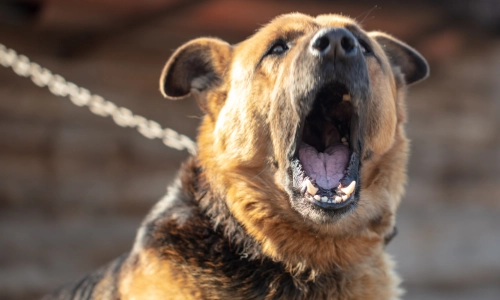
 Our Texas dog bite lawyers provide essential support to individuals who’ve been injured by aggressive or unrestrained dogs.
Dog attacks can lead to serious physical injuries, including puncture wounds, nerve damage, scarring, and infection, but they also leave lasting emotional trauma. Victims often face a painful recovery, unexpected medical costs, and fear that makes everyday life feel different.
In Texas, dog owners have a legal responsibility to control their animals and prevent attacks. When they fail to do so, the consequences can be devastating, especially for children or the elderly, who are most at risk.
At the CEO Lawyer Personal Injury Law Firm, we’re committed to holding negligent owners accountable. Our Texas personal injury law firm combines legal strategy with compassion to pursue justice for every client we represent.
Whether the attack happened in a public space, at someone’s home, or on private property, you may be entitled to compensation. We investigate the incident, collect medical records, interview witnesses, and build a strong claim designed to secure the financial recovery you need to heal and move forward.
How a Texas Dog Bite Accident Attorney Supports Your Recovery
Dog bite incidents can have serious consequences, both physically and emotionally. Victims often suffer more than just a bite; they endure trauma, infections, scarring, and the fear that can follow them long after the wounds have healed.
In Texas, where many families own dogs, understanding your rights after an attack is essential.
The Serious Consequences of Dog Bite Injuries
Dog attacks can cause significant harm, especially to children and elderly individuals. The damage goes beyond skin deep, it can lead to permanent disfigurement, nerve damage, and long-term psychological effects.
For some victims, recovery requires surgery, therapy, and ongoing medical care.
Common Injuries from Dog Attacks
- Puncture wounds and lacerations
- Infections such as rabies or cellulitis
- Muscle and nerve damage
- Broken bones or crushed tissue from larger breeds
- Scarring, disfigurement, and emotional trauma
Understanding Texas’s Dog Bite Laws
Texas does not have a statewide “one bite rule,” but liability can still be established through negligence or if a dog has shown previous aggressive behavior. Dog owners are expected to prevent their animals from causing harm, and when they don’t, they may be held accountable under personal injury laws.
Evidence of past incidents, leash violations, or failure to control the dog can strengthen a victim’s claim.
Who Can Be Held Liable for a Dog Bite?
In many cases, the dog owner is legally responsible, but other parties may be held liable as well. Property owners, landlords, or caretakers could also share fault, depending on the situation.
Liability hinges on whether the responsible party failed to take reasonable steps to prevent the attack.
Ali Awad leads a legal team that thoroughly investigates each case. We gather medical records, review animal control reports, and examine the dog’s history to build a strong and detailed claim for our clients.
Determining Negligence in a Dog Bite Case
- Proving the owner knew or should’ve known about the dog’s aggression
- Showing failure to properly leash, confine, or supervise the animal
- Demonstrating disregard for local ordinances or leash laws
- Connecting negligence directly to your injuries
Steps to Take After a Dog Bite Accident
What you do immediately after a dog attack matters. Quick action can protect your health and improve your chances of receiving compensation. From seeking treatment to documenting the scene, the right steps help preserve evidence and support your claim later.
What to Do After a Dog Attack
- Get immediate medical attention, even for minor wounds
- Report the incident to local animal control or law enforcement
- Document the injuries with photos and medical reports
- Collect contact info from the dog owner and any witnesses
- Avoid giving recorded statements to insurers without legal advice.
How We Help Dog Bite Victims in Texas
Dog bite cases often involve insurance companies that downplay the severity of injuries or try to shift blame onto the victim. That’s where we step in. Our team handles everything from investigating liability to negotiating with insurers and, if needed, filing a lawsuit.
Our Approach to Dog Bite Cases
- Conduct a full review of the incident and the dog’s history
- Collect medical records, photos, and expert evaluations
- Handle all communication with insurers and legal teams
- Build a strong claim that reflects both physical and emotional damages
- Prepare the case for trial if a fair settlement isn’t offered
Texas Dog Bite Accident Law Firm Legal Support
Dog bite cases require more than sympathy; they require legal precision, strong evidence, and a team that understands how to win. At our Texas firm, we approach each case with a full-service mindset, supporting our clients medically, legally, and emotionally. We understand what it takes to hold negligent dog owners accountable while helping victims recover what they’ve lost.
Thorough Investigation and Evidence Collection
Proving liability in a dog bite case hinges on strong documentation and a clear understanding of what happened. That’s why our team begins every case with a focused investigation. We work quickly to gather all the facts from witness statements to animal control records before key evidence disappears.
Critical Evidence We Collect
- Photos of injuries and the scene
- Medical records and treatment reports
- Witness testimony from neighbors or bystanders
- Prior incident reports involving the dog
- Local leash law violations or citations
Medical Evaluation and Long-Term Treatment Planning
Dog bite injuries often need more than just stitches or a bandage. Victims may require surgery, therapy, or long-term wound care, especially in cases involving nerve damage or scarring. We make sure our clients get the right evaluations and treatment recommendations to support their recovery and their legal claim.
At the CEO Lawyer Personal Injury Law Firm, we integrate legal strength with real-world care. His team doesn’t just fight for compensation; they make sure clients are supported at every step of the recovery journey.
Coordinating Medical Treatment for Victims
- Referrals to specialists for reconstructive or nerve-related care
- Access to psychological counseling for trauma or PTSD
- Cost tracking for current and future treatment needs
- Coordinated with medical experts for case testimony
Legal Strategies for Holding Dog Owners Accountable
A successful claim depends on showing that the dog’s owner failed to take reasonable precautions and that failure led directly to your injuries. We use targeted legal strategies tailored to Texas law to build clear arguments backed by strong evidence. Every case is different, and so is our approach.
Key Legal Approaches We Use
- Establishing knowledge of prior aggressive behavior
- Showing violations of local ordinances or leash laws
- Highlighting failure to supervise or restrain the dog properly
- Demonstrating the preventability and foreseeability of the attack
Addressing Insurance and Compensation Challenges
Dog owners are often covered by homeowners renters’ insurance, but that doesn’t mean getting compensation is easy. Insurers may dispute the claim, minimize your injuries, or delay the process. Our firm handles all communication and negotiation so you can focus on healing while we fight to recover every dollar you’re owed.
How We Maximize Your Compensation
- Presenting full medical documentation and cost projections
- Including pain, suffering, and emotional trauma in claims
- Identifying all applicable policies and responsible parties
- Pushing back against lowball offers or denial tactics
The Lasting Impact of Dog Bite Injuries
For many victims, a dog bite changes more than their physical health; it affects their sense of safety, confidence, and quality of life. Children often carry the trauma for years, while adults may avoid walking outdoors or interacting with animals altogether. These emotional scars deserve recognition and compensation.
Psychological and Emotional Effects of Dog Bites
- Post-traumatic stress or anxiety
- Fear of dogs or social withdrawal
- Nightmares and sleep disruption
- Impacts on relationships and daily routines
How to Prevent Dog Bite Incidents in Texas
Preventing dog bite incidents starts with awareness, responsible pet ownership, and community education. In Texas, where dog ownership is common in both urban and rural areas, understanding how to avoid confrontations between dogs and people, especially children, is a critical part of public safety. Knowing the laws, recognizing warning signs, and taking basic precautions can go a long way in reducing serious injuries.
Understanding Texas’s Dog Safety Laws
Texas has a mix of statewide statutes and local ordinances that address dog ownership and public safety. These laws set expectations for how dogs must be handled, where they can be off-leash, and what happens when a dog causes harm. Pet owners are required to exercise reasonable control over their animals to prevent aggressive behavior or attacks.
Key Dog Bite Laws in Texas
- Owners may be liable if a dog has a known history of aggression
- Local leash laws vary, but most require control in public areas
- Failure to secure a dog may result in both civil and criminal penalties
- Rabies vaccination and registration are legally required in most counties.
Recognizing the Warning Signs of an Aggressive Dog
Dogs don’t always bite without warning. Most show clear signs of fear, agitation, or dominance before acting aggressively. Recognizing these cues and teaching them to others can help prevent encounters that escalate into an attack.
Ali Awad, the CEO Lawyer, and his legal team often see dog bite cases that could have been avoided if early warning signs were noticed and respected. That’s why part of our mission includes educating the public on what to look for and how to respond safely.
Common Signs of Aggression
- Raised hackles or a stiffened posture
- Growling, snarling, or intense staring
- Ears pinned back and tail held rigid or low
- Lunging or baring teeth, even without barking
- Avoidance behavior followed by sudden escalation
Teaching Children How to Interact with Dogs Safely
Children are the most frequent victims of dog bites, not because they’re doing something wrong, but because they don’t always know how to read animal behavior. Teaching children safe, respectful ways to engage with dogs is one of the most effective ways to reduce bite-related injuries in the home and public.
Dog Safety Tips for Kids
- Always ask permission before approaching someone’s dog
- Avoid hugging, climbing on, or surprising a dog while it’s eating or sleeping
- Don’t run or scream around unfamiliar dogs
- Learn to recognize when a dog wants space or is feeling nervous
- Never try to break up a dog fight or take a toy from a dog’s mouth.
What to Do If You Are Bitten by a Dog
Even with precautions, dog bites can still happen. When they do, quick and informed action is essential to protect your health and strengthen any future legal claim. Proper medical care, documentation, and reporting can make a major difference in your recovery and your case.
Essential Steps After a Dog Bite
- Clean the wound and seek medical attention immediately
- Identify the dog and its owner, if possible
- Report the incident to animal control or local authorities
- Take photographs of your injuries and the scene
- Keep records of all medical treatment and expenses
- Avoid discussing the incident with the dog owner’s insurance company before speaking to an attorney
- Follow up with your doctor for signs of infection or complications
- Document how the injury has impacted your daily activities or ability to work
How the CEO Lawyer Personal Injury Law Firm is Fighting for Dog Bite Victims in Texas
If you or your loved one has been injured in a dog attack, you deserve more than just basic legal advice; you deserve a team that knows how to fight and win.
The CEO Lawyer Personal Injury Law Firm brings experience, strategy, and compassion to every dog bite case we handle. We understand what’s at stake and work relentlessly to make sure our clients are seen, heard, and fully compensated.
Get the Legal Support You Need Today
Contact us at (469) 461-4605 today to schedule your free consultation. Let the CEO Lawyer Personal Injury Law Firm be your voice and your advocate in your time of need.
Whether your case involves a neighbor’s pet, a stray, or a dog with a known history of aggression, we’re ready to take action. You focus on healing, we’ll handle the rest.