



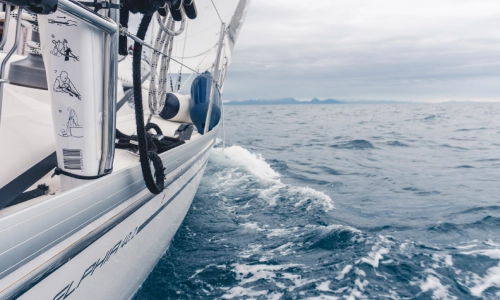
 Our Texas traumatic brain injury lawyers provide essential support to individuals who have suffered serious harm on the water due to boating accidents.
Whether the incident occurred on a lake, river, or offshore, the consequences can be severe, ranging from broken bones and head injuries to permanent disability. Many boating accidents happen because of operator inexperience, alcohol use, high speeds, or failure to follow safety regulations, and victims are often left to deal with overwhelming medical costs and long-term recovery.
When a fun day on the water turns into a life-changing event, legal action may be necessary to hold the at-fault party accountable. Determining liability in boating accidents can be complex, especially when multiple vessels are involved or the boat operator is uninsured.
At the CEO Lawyer Personal Injury Law Firm, our attorneys know how to investigate marine accidents, gather critical evidence, and deal directly with insurance companies and maritime laws that apply.
Having the CEO Lawyer on your side means having a powerful legal team that knows how to get results. Led by Ali Awad, the CEO Lawyer Personal Injury Law Firm, has built a reputation for standing up for injury victims and making sure they get the compensation they deserve.
We take on tough cases and deliver real outcomes, not just promises. If you or someone you love has been injured in a boating accident, don’t wait to get the help you need.
Why You Need Our Texas Boat Accident Attorneys
Boating accidents aren’t like car crashes; they involve different laws, different liability rules, and often, far more serious injuries. Whether your case involves a recreational boat, jet ski, or a commercial vessel, our attorneys understand the legal and technical details that can make or break your claim.
We handle every case with care, urgency, and the experience needed to deliver results.
Full Investigation of the Accident
A proper investigation is the foundation of a strong boating accident case. It’s not enough to say what happened; you need clear proof of who was at fault and why. Our legal team gathers every piece of evidence, from eyewitness reports to accident reconstruction data, to make sure nothing is missed.
- Interviewing witnesses and gathering statements
- Securing boat maintenance logs and GPS data
- Reviewing weather and water conditions at the time of the crash
- Collecting photos, video footage, and marine patrol reports
Handling Insurance Companies
Dealing with insurance companies after a boating accident can be frustrating. Adjusters are trained to minimize your claim or shift the blame, especially when injuries are serious.
Our attorneys step in to handle all communication, negotiate for fair compensation, and make sure you’re not pushed into a lowball settlement.
- Reviewing insurance policies for full coverage options
- Filing claims and responding to denials or delays
- Negotiating medical expenses, lost wages, and pain and suffering
- Preventing insurers from using your words against you
In the middle of it all, the CEO Lawyer steps in as your strongest advocate. Ali Awad and his team at the CEO Lawyer Personal Injury Law Firm are trusted by thousands because they fight hard and don’t back down.
When we take your case, it’s because we believe in it, and we back that belief with action.
Representing You in Court
Most cases settle, but if your claim goes to trial, you’ll want a skilled legal team ready to fight for you in court. We prepare each case as if it will go the distance, which means collecting strong evidence, building a timeline, and anticipating every defense tactic.
- Drafting legal filings and representing you in hearings
- Presenting expert testimony and technical evidence
- Cross-examining opposing witnesses with precision
- Making a clear, compelling case to the judge or jury
Ensuring Compliance with Maritime Laws
Boating cases often fall under a mix of state and federal maritime law. Navigating these rules requires experience and deep legal knowledge.
Our attorneys know how to apply these regulations to your specific case, ensuring every claim is filed correctly and within the right jurisdiction.
- Understanding federal boating safety and maritime laws
- Meeting notice and filing deadlines required by law
- Determining which legal standards apply to your accident
- Avoiding technical errors that could delay or dismiss your case
A Texas Boat Accident Law Firm Fights for the Injured From Day One
Boating accidents can lead to devastating injuries and complex legal cases. When you’re injured on the water, whether as a passenger, operator, or swimmer, you’re suddenly faced with medical bills, lost income, and confusion about what steps to take next.
Holding the responsible party accountable isn’t always straightforward, especially when maritime rules and multi-party liability are involved. That’s where the right law firm makes all the difference.
At the CEO Lawyer Personal Injury Law Firm, we bring the same intensity and strategy to boating accident claims as we do to major injury and wrongful death cases. Led by Ali Awad, the CEO Lawyer, our firm combines legal firepower with personal care.
We take pride in building powerful cases and guiding clients through every stage of the process from investigation to resolution, with clarity and confidence.
If you’ve been injured in a boating accident in Texas, don’t try to navigate the legal system alone. Our attorneys are here to listen, lead, and win.
Common Concerns of Boating Accidents in Texas
Boating accidents often result from a combination of preventable factors. Whether you’re on a lake, river, or offshore, there are recurring patterns of negligence and safety oversights that increase the risk of serious injury.
Understanding these common concerns helps strengthen your legal claim and makes it easier to identify who may be at fault.
Operator Negligence and Recklessness
The majority of boating accidents happen because the person operating the boat fails to act responsibly. Whether it’s speeding, inattention, or unsafe maneuvering, reckless behavior on the water can lead to collisions, capsizing, or man-overboard incidents.
Victims of these accidents often suffer serious injuries because they had no time to react or protect themselves.
- Speeding in crowded or restricted areas
- Ignoring right-of-way rules and navigation laws
- Operating the vessel while distracted
- Lack of training or boating certification
Boating Under the Influence
Alcohol and boating do not mix, yet impaired operation continues to be one of the leading causes of water-related accidents in Texas. Operating a boat under the influence of drugs or alcohol slows reaction time and impairs judgment, leading to avoidable crashes and drownings.
- Reduced visibility and coordination
- Failure to recognize or avoid hazards
- Increased risk of falling overboard
- Legal consequences, including arrest and liability
At the CEO Lawyer Personal Injury Law Firm, we take these cases seriously. Ali Awad, the CEO Lawyer, leads a team dedicated to holding negligent parties accountable and helping victims get the compensation they need to move forward.
Our Texas personal injury law firm brings strategy, reputation, and relentless effort to every case we handle.
Equipment and Mechanical Failures
Not all boating accidents are caused by operator error. Sometimes, the vessel itself is to blame due to faulty equipment or poor maintenance.
In these situations, manufacturers, rental companies, or maintenance providers may be liable for injuries.
- Engine failure or sudden shutdown
- Malfunctioning steering or throttle systems
- Broken safety gear or flotation devices
- Leaks due to poor vessel maintenance
Poor Weather and Water Conditions
Changing weather and water conditions can create dangerous situations, especially for inexperienced boaters. But when a boat operator fails to monitor forecasts or ignores safety warnings, it becomes a matter of negligence.
- Operating in high winds or storms
- Navigating through rough waters or strong currents
- Poor visibility due to fog or rain
- Inadequate preparation for changing conditions
Lack of Safety Equipment
A boat without the proper safety equipment is a disaster waiting to happen. Life jackets, fire extinguishers, signaling devices, and first aid kits are essential and required by law in many cases.
When they’re missing or defective, even a minor accident can turn deadly.
- Missing or damaged life vests
- No emergency radio or flares on board
- Lack of throwable flotation devices
- Absence of navigation lights at night
Who Can Be Held Liable for a Boating Accident?
Boating accidents often involve multiple people, vessels, or companies, making liability complex. Determining who’s legally responsible requires a close look at the facts, the condition of the boat, safety procedures, and the actions of everyone involved.
These are the parties most commonly held accountable in boating accident claims.
Boat Operator Liability
- The person operating the boat is often the first one considered in a liability investigation.
- If the operator was speeding, intoxicated, distracted, or inexperienced, they can be held liable for any resulting injuries.
- Operators have a legal duty to act with reasonable care, follow navigational rules, and avoid putting passengers and others at risk.
Boat Owner Liability
- Even if someone else was driving, the boat’s owner may still bear legal responsibility.
- Owners are expected to keep the vessel in a safe operating condition and ensure it’s only used by qualified individuals.
- If the accident happened due to mechanical issues or an unlicensed operator, the owner can be held accountable.
Boat Rental Company Liability
- When a rented boat is involved in an accident, the rental company’s policies and maintenance practices come under scrutiny.
- If they failed to properly inspect the vessel, did not provide necessary safety equipment, or rented it to an unqualified person, they may be held liable.
- Rental companies must ensure the safety and readiness of every vessel before it’s handed over.
Boat Manufacturer Liability
- In some cases, boating accidents happen due to product defects or design flaws.
- A faulty motor, malfunctioning steering system, or defective safety gear could point to manufacturer negligence.
- When a mechanical failure causes or worsens an accident, the manufacturer may be held responsible under product liability law.
At the CEO Lawyer Personal Injury Law Firm, our attorneys thoroughly investigate every possible angle of liability. Led by Ali Awad, the CEO Lawyer, we bring skill, experience, and a proven track record to every case we take on.
We don’t guess, we build evidence-backed claims that get results.
Government Liability
- If the accident occurred in a public waterway or involved government-operated vessels, agencies may also be held responsible.
- Failure to maintain safe docks, mark hazards, or patrol heavily trafficked areas could be seen as negligence.
- Claims against government entities follow strict notice and timing requirements, which makes legal representation especially important.
Multiple Parties May Share Liability
- It’s not uncommon for more than one person or entity to share fault in a boating accident.
- For example, an operator may have acted recklessly, while a rental company failed to provide working safety gear.
- Our attorneys pursue all responsible parties to ensure you receive full compensation from every source available.
Common Injuries in Boating Accidents in Texas
Boating accidents often lead to serious, sometimes life-altering injuries due to the lack of protection and high impact involved. Unlike car accidents, there are no seatbelts, airbags, or solid barriers to protect passengers on a boat.
As a result, even low-speed collisions or sudden turns can throw individuals overboard or cause traumatic injuries inside the vessel. Drownings, fractures, spinal trauma, and brain injuries are just a few of the physical consequences victims may face.
In the middle of this chaos and recovery, the CEO Lawyer Personal Injury Law Firm steps in as a powerful advocate. We take each case personally because we know the impact of these injuries is never just physical; it touches every part of your life.
Some of the most common injuries we see in boating accidents include lacerations from propellers or sharp surfaces, broken bones from impact or falls, and head injuries caused by collisions or being thrown into hard surfaces.
Internal injuries and water inhalation can also pose life-threatening risks, especially when emergency care is delayed. These cases require fast legal action and a firm that knows how to pursue every available avenue of compensation.
Contact Our Boating Accident Lawyers Today!
Don’t wait to take legal action if you or a loved one has been injured in a boating accident. The sooner you contact a qualified legal team, the better your chances of preserving evidence, identifying the responsible parties, and securing the compensation you deserve.
At the CEO Lawyer Personal Injury Law Firm, we handle boating injury cases with the urgency and precision they require because we understand how fast these situations can spiral without the right support.
Contact us at (469) 461-4605 today to schedule your free consultation. Let the CEO Lawyer Personal Injury Law Firm be your voice and your advocate in your time of need.