

There’s a version of community involvement that most companies practice: sponsor a logo on a banner, show up for a photo, post about it once, move on. It checks a box. It doesn’t cost much, and it doesn’t ask much of anyone.
That’s not what we do here, and the difference shows up in the calendar more than in any mission statement.
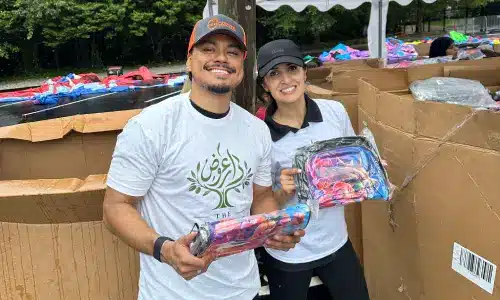
Over the past several months, our team has shown up at the Fall Festival in Atlanta handing out food boxes, school supplies, and haircuts to local families. We sat in the room for CAIR-Georgia’s 10th Anniversary Gala, celebrating ten years of civil rights work that produced more than 200 legal support requests and $2.5 million in free legal services. We’ve had a presence at Arab Fest, the Bosnian Festival, the CAIR Philadelphia Gala in Delaware, and we show up most weekends at something as simple as Caffeine and Octane, because community isn’t only built at the big, formal events. Sometimes it’s built over coffee and classic cars on a Sunday morning.
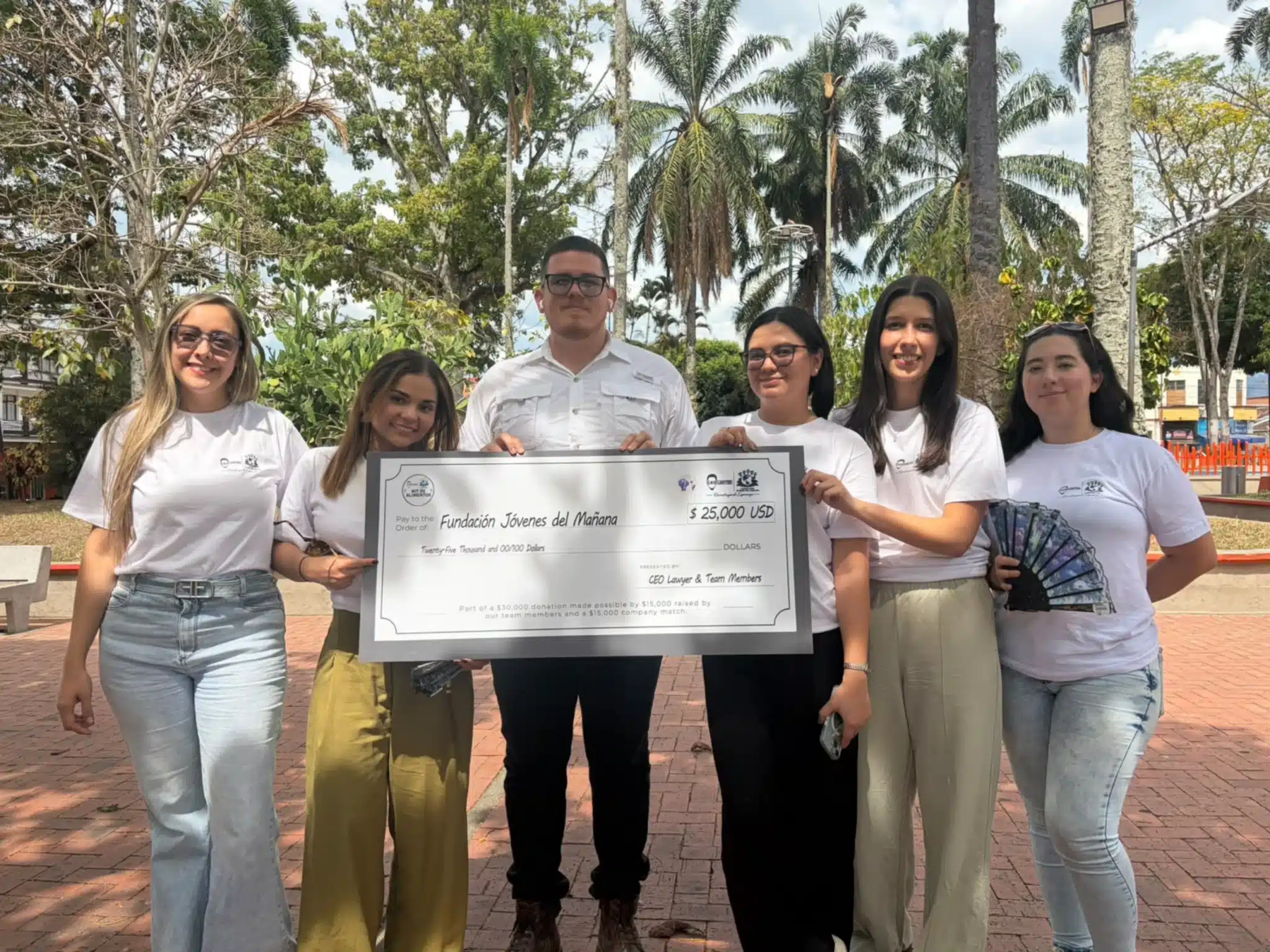
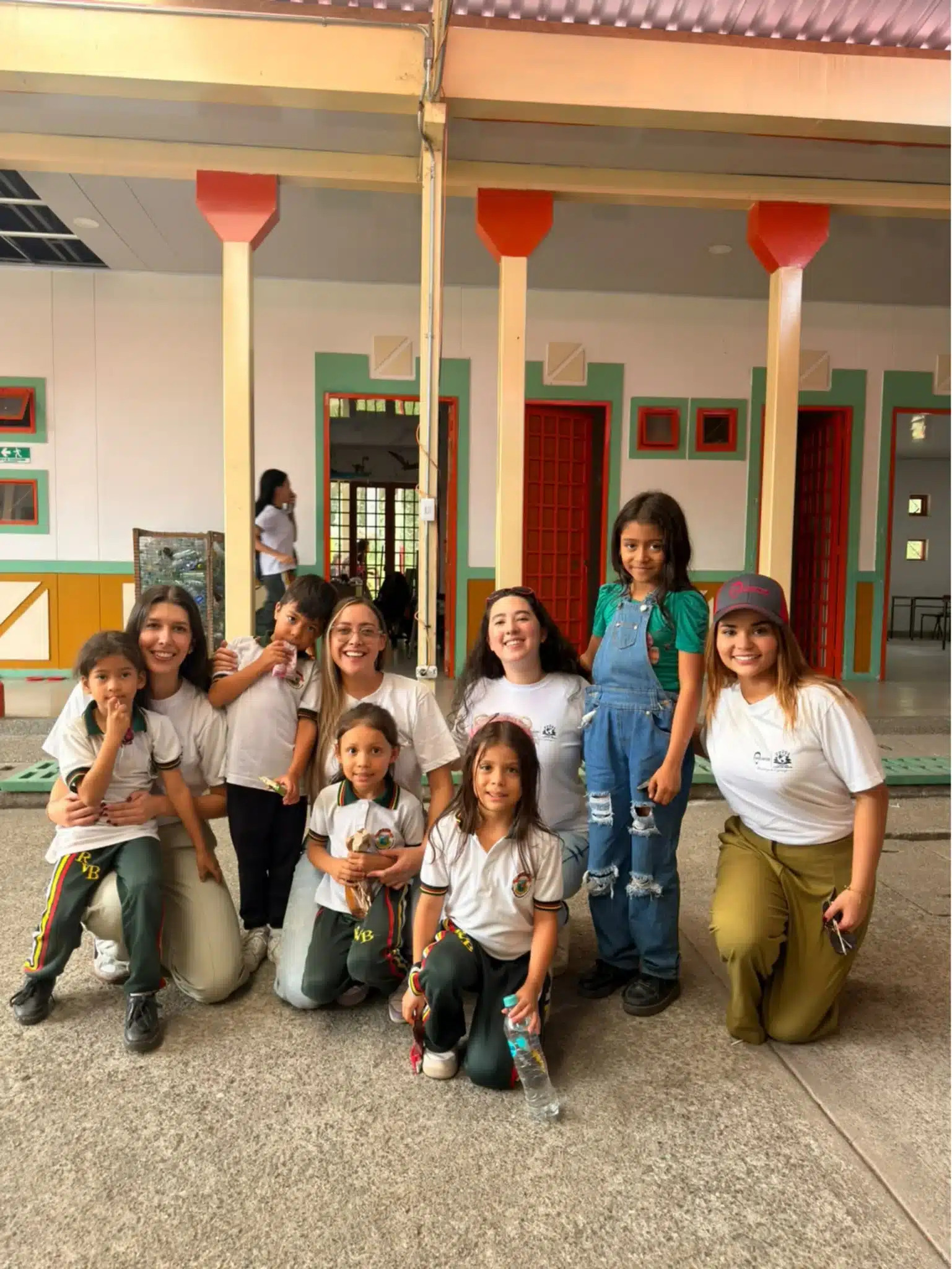
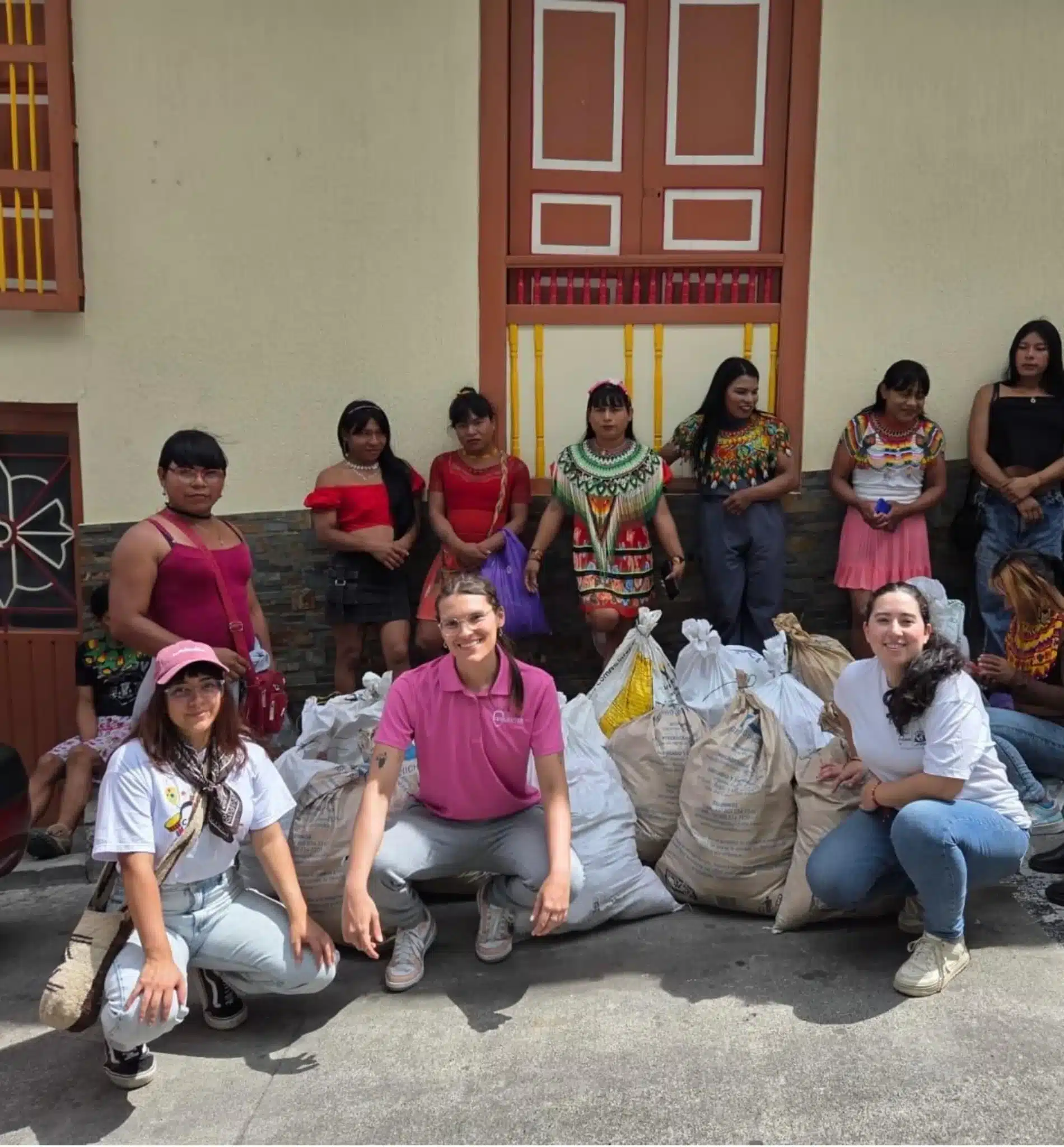
And when an earthquake struck Colombia, we didn’t just send a check and call it done. A group of our own team members traveled directly into the impacted regions to hand-deliver essential supplies and emergency aid. Together with a company match, our team raised $25,000 for Fundación Jóvenes del Mañana to support recovery efforts on the ground. Nobody asked them to get on a plane. They did it anyway.
None of this is random, and none of it is incidental to who we are as a firm. It’s the direct result of a culture we’ve built on purpose, one that we put into eight words: Trust, Humility, Ethics, Hunger, Education, Accountability, Respect, and Teamwork. T.H.E. H.E.A.R.T. of our firm.
Why Community Work Is a Culture Statement, Not a Marketing Checkbox
It would be easy to assume community events are simply good PR. They’re not, and the reason is simple: the people showing up to these events aren’t doing it because it’s part of their job description. They’re doing it because it reflects something they already believe.
This is where Respect and Teamwork show up most clearly. Respect means believing that every client, every colleague, and every community we touch deserves to be seen and treated with dignity, not just the clients who walk through our doors with a case, but the families picking up school supplies at a festival booth, or the strangers in Colombia who needed supplies delivered by hand instead of mailed from a distance. Teamwork means none of this happens because of one person’s initiative. It happens because dozens of people across this firm decide, independently and repeatedly, that showing up matters.
The Communities We Serve Are the Communities We’re Part Of
Personal injury law, more than most practice areas, exists at an intersection with real human vulnerability. Our clients come to us after an accident, after an injury, after something happened to them that they didn’t choose and couldn’t control. That means trust has to be earned before a case ever begins, and it’s earned largely outside the four walls of a courtroom.
This is why events like Arab Fest, the Bosnian Festival, and the CAIR Philadelphia Gala in Delaware matter so much to us. These aren’t communities we’re trying to reach with an advertisement. They’re communities many of our own team members belong to, communities that haven’t always had a law firm that understood their language, their culture, or their specific concerns about the legal system. Showing up at these events isn’t a strategy. It’s recognition that the people we serve deserve a firm that already understands them before they ever need to explain themselves.
The same is true of our response to the earthquake in Colombia. That wasn’t a market we were trying to enter. It was a community some of our own team members are personally connected to, and when disaster struck, the instinct wasn’t to issue a statement. It was to get on a plane.
Hunger and Education: Why We Keep Expanding What “Community” Means
 Hunger, in our culture, means refusing to settle for the way things have always been done when there’s a better way forward. Applied to community involvement, that means we don’t treat our calendar of events as fixed. Every quarter, we look for new rooms to be in, new organizations to support, new communities we haven’t reached yet.
Education plays a role here too. Being part of a community means actually understanding it, not assuming we already do. That’s part of why CAIR-Georgia’s decade of civil rights work resonated so deeply with our team: ten years of data, 200-plus legal support requests, $2.5 million in free legal services, represents a kind of sustained, educated commitment to a community that doesn’t happen by accident. We want our own involvement to reflect that same seriousness.
What This Actually Means Going Forward
We built this firm to serve communities we’re genuinely part of. Showing up on the days when nobody has been hurt, when there’s no case on the line, when it’s just a festival booth or a flight to a disaster zone, is most of what that actually looks like in practice.
That’s not a tagline. That’s T.H.E. H.E.A.R.T. of this firm, and it’s the reason we’ll keep showing up long after this article is published.
You will always find us somewhere, and if you want to know where, follow our Instagram and our LinkedIn, because we will keep you updated over there!
Hope to see you there!