


Quick Summary: Lawrenceville Uninsured Motorist Accidents
- Uninsured motorist claims rely on your own insurance when the at-fault driver lacks coverage.
- These cases often involve hit-and-runs, underinsured drivers, or multiple policies.
- Georgia’s 50% fault rule affects eligibility and reduces compensation.
- First-party claims can lead to disputes, delays, and negotiation challenges.
- Strong evidence and timely action are key to supporting a claim.
 Traffic along the I-85 corridor and the busy intersections throughout Lawrenceville often bring a steady flow of commuters, delivery vehicles, and local drivers into close contact. In Lawrenceville, Georgia, these high-traffic conditions can increase the likelihood of accidents involving drivers who either lack insurance or carry insufficient coverage, where a Lawrenceville Uninsured Motorist Accident Lawyer can help address the unique challenges these claims present.
A Lawrenceville uninsured motorist lawyer may help evaluate these situations from a perspective on complex claims.
When collisions happen in these environments, whether near congested intersections, retail corridors, or daily commuter routes, the aftermath can quickly become more complicated than a typical claim. In these situations, working with an underinsured motorist lawyer in Lawrenceville can help clarify how coverage applies when damages exceed policy limits.
Uninsured and underinsured motorist situations are a recurring concern in Lawrenceville. A driver may follow all traffic rules yet still face significant challenges if the at-fault party does not carry enough insurance to cover the resulting damages.
These incidents can occur anywhere in Lawrenceville, from heavily traveled roadways to neighborhood streets, often leaving injured individuals to rely on their own uninsured motorist coverage to seek financial recovery.
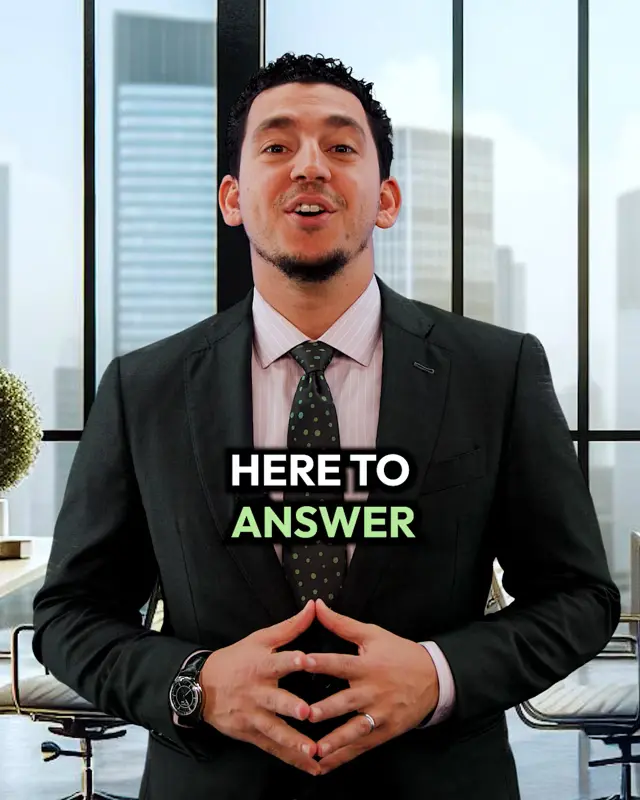
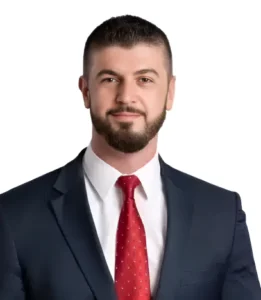
Working within Georgia’s legal framework, attorney Faris Zejnelovic, licensed in Georgia and familiar with Gwinnett County courts, handles cases involving insurance disputes, policy interpretation, and first-party insurance claims.
Common Accident Scenarios Involving Uninsured and Underinsured Drivers
Motor vehicle accidents in Lawrenceville sometimes involve drivers who do not carry enough insurance to cover the damages they cause. These situations can create additional challenges, particularly in high-traffic areas like the I-85 corridor and surrounding commuter routes, where collisions are more frequent.
- Uninsured Drivers on the Road: Some accidents involve drivers without insurance, despite Georgia’s legal requirements. In these cases, injured individuals may rely on uninsured motorist coverage to pursue compensation, often guided by an uninsured driver accident attorney in Lawrenceville, GA.
- Insufficient Coverage for Serious Accidents: Even when a driver has insurance, their policy limits may not be enough to cover the full extent of injuries and damages. This often leads to underinsured motorist claims when expenses exceed available coverage.
- Hit-and-Run Incidents: It presents another common scenario, especially in busy areas of Lawrenceville. When the responsible driver cannot be identified, uninsured motorist coverage may apply to help address losses.
- Multi-Vehicle Collisions and Coverage Gaps: Crashes involving multiple vehicles can also involve at least one uninsured or underinsured driver. These situations may complicate liability and coverage, often requiring multiple claims to determine how compensation is distributed.
Depending on the circumstances, injured individuals may also seek guidance from a Lawrenceville personal injury lawyer to evaluate available insurance coverage, determine potential sources of recovery, and understand how uninsured or underinsured motorist claims fit within a broader personal injury case.
Multi-Policy Claims and Coverage Gaps
Uninsured motorist claims can involve multiple insurance policies, particularly when more than one vehicle, household policy, or source of coverage may apply. Determining how those policies interact can affect the amount and source of available coverage.
Common issues include:
- Whether the at-fault driver’s liability insurance and the injured person’s UM/UIM coverage both apply
- Whether coverage from multiple vehicles or household policies may be available
- Whether policies can be stacked when permitted by the applicable policy terms and law
- Which insurer or policy provides primary coverage
- How policy limits apply when damages exceed the available coverage
Attorney Faris Zejnelovic reviews applicable policy language and coverage details to help determine how multiple policies may interact in a Lawrenceville uninsured motorist case
Early Challenges After an Uninsured Motorist Accident
After an accident involving an uninsured or underinsured driver in Lawrenceville, the claims process may involve additional hurdles beyond a typical case.
Policy requirements, insurer procedures, and questions about available coverage can create challenges early in the claims process. Many individuals also have questions about required documentation, coverage limits, and the steps needed to move a claim forward.
Claim Delays and Coverage Questions
Insurance companies may take time to determine whether UM/UIM coverage applies, leading to delays or even initial claim denials. Questions about policy limits, exclusions, or liability can also create coverage disputes that slow the claims process and require additional documentation before a decision is made.
Understanding First-Party Insurance Claims
Unlike a standard accident claim, uninsured motorist claims are generally filed through your own insurance policy rather than the at-fault driver’s insurer. Many individuals are unfamiliar with this process and may have questions about coverage requirements, policy conditions, and how first-party claims differ from third-party claims.
Depending on the circumstances, some individuals choose to work with a car accident lawyer in Lawrenceville to better understand their insurance coverage, navigate the claims process, and address disputes that arise during a UM/UIM claim.
Communication and Claim Investigation
When partial coverage exists or multiple insurance policies may apply, communication with more than one insurer can increase the complexity of the claim.
Insurance companies may also request recorded statements, accident reports, medical records, and other supporting documentation while investigating both liability and damages. Providing clear and consistent information can help prevent unnecessary delays.
Negotiations and Liability Disputes
Because your own insurer is responsible for evaluating and paying the claim, negotiations may become more complex than expected.
Disagreements over policy interpretation, claim valuation, or the application of Georgia’s comparative fault rules can affect the amount of compensation available. In some situations, concerns about insurance bad faith may arise if an insurer unreasonably delays or undervalues a valid claim.
These early challenges can influence how an uninsured motorist claim develops. Understanding your policy, maintaining organized documentation, and responding promptly to insurer requests may help reduce complications during the claims process.
Individuals facing coverage disputes or prolonged delays may also seek guidance from a UM/UIM claim lawyer in Lawrenceville to better understand their legal options.
Georgia’s Legal Framework in Uninsured Motorist Claims
Uninsured motorist accident claims in Lawrenceville are governed by the Georgia uninsured motorist law, as well as broader personal injury and insurance rules. These cases are shaped not only by how fault is determined, but also by how insurance coverage applies when the at-fault driver lacks sufficient protection.
Broader consumer guidance on insurance laws and coverage standards is available through the National Association of Insurance Commissioners.
The 50 Percent Fault Rule
Georgia follows a modified comparative fault system, often referred to as the 50 percent bar. Under this rule, an injured party may recover compensation only if they are less than 50% at fault for the accident.
If a partial fault is assigned, any recovery is reduced proportionally. For example, if someone is found 20% responsible, their compensation may be reduced by 20%. However, if they are 50% or more at fault, recovery is not permitted under Georgia law.
First-Party Nature of UM/UIM Claims
Unlike standard accident claims, uninsured and underinsured motorist cases are typically handled through the injured party’s own insurance policy. This first-party structure means the insurer evaluates both liability and damages and determines whether coverage applies.
The Georgia Office of Insurance and Safety Fire Commissioner provides further guidance on how uninsured motorist coverage works within the state
Role of Gwinnett County Courts
When disputes cannot be resolved through the insurance process, claims may proceed through Gwinnett County civil courts. These courts handle personal injury and insurance-related matters, including disagreements over uninsured motorist coverage, liability, and compensation.
Together, these legal principles influence how uninsured motorist claims in Lawrenceville are evaluated, negotiated, and resolved.
Evidence and Documentation in UM/UIM Claims
In uninsured motorist accident cases in Lawrenceville, documentation plays a key role in establishing both fault and coverage eligibility. Because these claims involve first-party insurance, the strength and consistency of evidence can directly affect how insurers evaluate the claim.
Important documentation often includes:
- Insurance policy documents outlining UM/UIM coverage terms, limits, and conditions
- Police reports identifying the parties involved and describing how the accident occurred
- Medical records connecting injuries to the incident
- Witness statements or available video footage supporting the sequence of events
- Records of communication with insurance companies, including emails and claim updates
Additional information on insurance claims and documentation practices can be found through the Insurance Information Institute.
Missing or inconsistent documentation may lead to delays, disputes, or additional scrutiny from insurers. Gaps in evidence can make it more difficult to establish liability or confirm that coverage applies under the policy. In Lawrenceville, uninsured motorist claims, maintaining organized and complete records can help reduce complications during the claims process.
Losses and Long-Term Impacts in Uninsured Motorist Claims
Accidents involving uninsured or underinsured drivers in Lawrenceville can lead to a range of financial and personal losses that are central to UM/UIM claims, including:
- Medical expenses for emergency care, ongoing treatment, and rehabilitation
- Lost income due to time away from work
- Reduced earning capacity in more serious injury cases
- Property damage and vehicle repair or replacement costs
- Long-term physical limitations affecting daily activities
These losses are typically evaluated together when determining compensation under uninsured motorist coverage in Georgia.
Timing Considerations in Uninsured Motorist Claims
Timing can affect uninsured motorist claims in Lawrenceville because insurance policies may contain notice requirements and other conditions that apply after an accident. Georgia law also establishes deadlines for pursuing personal injury claims in court.
- Insurance Notice Requirements: An insurance policy may require notice of an accident or UM/UIM claim within a specified period. Reviewing the policy promptly can help identify requirements that may affect coverage.
- Legal Filing Deadlines: Insurance notice requirements and legal deadlines are separate issues. Providing notice to an insurer does not necessarily extend the deadline for filing a lawsuit under Georgia law.
- Preserving Information: Acting promptly can also help preserve accident-related information while records, witness recollections, and other evidence remain available.
Reviewing the applicable policy and legal deadlines early can help identify requirements that need to be addressed during the claim.
Local Representation for Uninsured Motorist Accident Victims in Lawrenceville & the 30046 Area
Most drivers do not think about uninsured motorist coverage until after a collision. The surprise often comes when the at-fault driver has no insurance, carries only minimum coverage, or leaves the scene before they can be identified.
In a growing community like Lawrenceville, where commuters, delivery vehicles, and local traffic regularly share the same roads, these situations are more common than many people realize.
At The CEO Lawyer Personal Injury Law Firm, we help individuals address uninsured and underinsured motorist issues arising from situations such as:
- I-85 Commuter Crashes: Heavy traffic, sudden slowdowns, and multi-vehicle collisions can leave injured drivers facing questions about whether enough insurance coverage exists to fully address their losses. Insurance and liability issues often become even more complicated when several vehicles are involved.
- Hit-and-Run Accidents: Drivers sometimes leave the scene before they can be identified, particularly in busy traffic areas and commercial districts. When that happens, injured individuals may need to rely on uninsured motorist coverage while investigators work to determine what occurred.
- Accidents Involving Minimum-Coverage Drivers: Some crashes result in injuries and damages that exceed the policy limits available through the at-fault driver’s insurance. These situations frequently lead to underinsured motorist claims when available coverage falls short of the losses involved.
- Coverage Disputes Following Serious Collisions: Questions about policy limits, multiple insurance policies, household coverage, and first-party insurance obligations often arise after significant accidents, particularly when damages exceed a single source of coverage.
Many people are surprised to learn that an uninsured motorist claim is typically pursued through their own insurance policy. As a result, these cases often involve policy interpretation, coverage questions, and documentation issues that do not arise in a typical third-party claim.
Proudly Serving Our Neighboring Communities
Many Gwinnett County residents depend on I-85 and surrounding roadways to get to work, school, medical appointments, and other daily responsibilities. When an uninsured or underinsured driver causes a crash, the financial consequences often extend well beyond the initial collision.
Our firm serves individuals throughout Lawrenceville, Duluth, Suwanee, Snellville, Buford, and nearby communities who are navigating uninsured motorist claims, hit-and-run accidents, and coverage disputes. We help clients evaluate available insurance coverage, review policy-related issues, and better understand the challenges that often arise when an at-fault driver lacks sufficient insurance protection.
Lawrenceville Uninsured Motorist Accident Claims FAQ
What happens if the other driver has insurance but it does not cover all of my losses?
When the at-fault driver’s liability limits are insufficient to cover the losses from an accident, underinsured motorist coverage may provide an additional source of recovery if it is available under the applicable policy. The amount and availability of coverage depend on the policy terms and circumstances of the accident.
Can uninsured motorist coverage apply after a hit-and-run?
A hit-and-run may qualify as an uninsured motorist situation when the responsible driver cannot be identified, but the applicable policy requirements must still be satisfied. Accident reports, witness information, photographs, video, and other available evidence may become particularly important in these cases.
What if more than one insurance policy may cover the accident?
Multiple policies can create questions about which coverage applies, whether policies can be combined or stacked, and how policy limits affect the claim. Reviewing the applicable policy language can help identify potential sources of coverage.
Can an insurer dispute the amount of a UM/UIM claim?
Yes. An insurer may dispute liability, the extent of injuries, the value of damages, or whether particular losses are covered under the policy. These disagreements can lead to additional investigation or negotiations over the claim.
Planning Your Next Steps With a Lawrenceville Uninsured Motorist Accident Lawyer
Uninsured motorist accident claims in Lawrenceville often involve more than determining fault; they require careful evaluation of insurance policies, coverage limits, and legal requirements under Georgia law. From navigating first-party insurance claims to addressing disputes with insurers, each step can influence the outcome.
If you are dealing with an accident involving an uninsured or underinsured driver, it may be helpful to review your policy details, gather available documentation, and consider how your specific circumstances fit within Georgia’s legal framework. Understanding these factors can provide clarity as you evaluate your next steps.
Speaking with a Lawrenceville uninsured motorist lawyer can help you better understand your rights and options as you navigate complex UM/UIM claims.