


Quick Summary: Tempe Boat Accident Claims
- Arizona allows two years to file most boating accident injury claims
- Operator negligence and equipment failures commonly cause boat accidents in Arizona
- Boating accident victims can pursue compensation for medical bills and losses
- Evidence like witness statements and accident reports strengthens your claim significantly
- Free consultations available to discuss your boat accident case today
Need immediate help? Contact us (520) 777-9279 today.
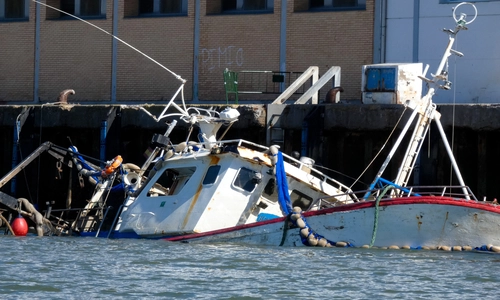 Boating on Arizona’s lakes and waterways offers recreation and relaxation, but accidents on the water can result in catastrophic injuries. When operator negligence or unsafe conditions cause boating accidents, injured victims have the right to pursue compensation under Arizona law.
A Tempe boat accident lawyer understands the unique challenges of maritime injury cases and can help you pursue the compensation you deserve. Understanding how Arizona boat accident claims work, what evidence strengthens your case, and how a boat accident attorney in Tempe can help you navigate the legal process.
How a Tempe Boat Accident Attorney Helps Injured Victims Navigate Complex Claims
Boating accidents differ significantly from typical motor vehicle crashes. Drowning, propeller injuries, collisions, and passengers thrown overboard commonly cause serious harm. These accidents often result in traumatic brain injuries, spinal cord damage, and wrongful death.
Insurance coverage for boat accidents can be complex, with homeowner’s policies sometimes covering small watercraft while larger vessels require specialized insurance.
A Tempe boat accident law firm investigates all available coverage and identifies every potential source of compensation. This includes boat owners, rental companies, and manufacturers of defective equipment.
A boat accident lawyer serving Tempe also understands waterway safety rules in Arizona. From blood alcohol limits for boat operators to required safety equipment, these regulations create legal standards that help prove liability when accidents occur.
How Local Laws Affect Your Boat Accident Claim
Arizona boating laws and regulations establish rules for safe operation. Boat operators must follow navigation rules, maintain proper lookout, operate at safe speeds, and avoid intoxication. Arizona law sets a 0.08 percent blood alcohol limit for boat operators. Violations establish negligence. The Arizona Game and Fish Department oversees boating safety and enforces regulations.
The statute of limitations for boating accident lawsuits in Arizona allows two years from the accident date. Missing this deadline typically eliminates your right to compensation. Starting the legal process promptly protects your rights.
Arizona applies comparative fault principles. If you’re found partially at fault, compensation is reduced by your percentage of responsibility. A boat accident attorney in Tempe works to minimize the fault assigned to you and maximize your recovery.
When to Contact a Tempe Boat Accident Lawyer
Contact a Tempe boat accident lawyer immediately after accidents involving serious injuries, disputed liability, or significant damages. Boating accidents often involve questions about operator impairment, equipment malfunctions, and passenger fault. Early legal involvement preserves evidence and protects rights.
If insurance companies contact you requesting statements or offering a quick settlement, speak with an attorney first. Maritime insurance adjusters use specialized tactics to minimize payouts. They may argue you assumed risk by boarding the vessel or were partially at fault.
Seek legal counsel if injuries require extensive treatment or prevent work. A Tempe boat accident law firm works with medical experts to document prognosis, calculate future needs, and pursue compensation accounting for long-term impacts.
How a Tempe Boat Accident Law Firm Helps Protect Your Health and Legal Rights
Taking the right steps after a boating accident is essential to protecting both your health and your legal rights. Accidents on the water often involve serious injuries, complex liability questions, and multiple insurance policies, making early guidance especially important.
A boat accident lawyer serving Tempe can help you understand what actions to take, avoid common mistakes, and begin building a strong claim during this critical period following the incident.
Immediate Steps to Protect Your Health and Rights
Seek immediate medical attention. Water-related accidents can cause hidden injuries like internal bleeding or concussions. Emergency care creates important documentation. Delaying treatment gives insurers grounds to argue injuries weren’t serious.
Report the accident to the appropriate authorities. Arizona law requires reporting boating accidents resulting in death, injury requiring medical treatment, or significant property damage. Contact Arizona Game and Fish or local law enforcement. Official reports become crucial evidence.
According to the Arizona Department of Health Services, comprehensive medical documentation establishes injury severity. Follow all treatment recommendations. Don’t provide fault statements at the scene.
Preserving Evidence and Documentation
Preserving evidence after a boating accident is essential to showing how the incident occurred, who was responsible, and the full extent of your losses. Because accidents on the water can be difficult to reconstruct, collecting detailed documentation as early as possible can significantly strengthen your claim.
- Photographs of vessels, visible damage, and injuries: help establish impact points, collision forces, and the severity of harm.
- Photos or notes documenting water conditions, weather, wave height, and visibility: provide context for navigation decisions and whether operators acted safely.
- Images of safety equipment and onboard conditions: show whether required gear was present, functional, or improperly used.
- Witness names and contact information: independent accounts are especially valuable when events occur away from shore or without traffic cameras.
- Damaged equipment, broken parts, clothing, and personal items: physical evidence may demonstrate mechanical failure, propeller contact, or force of impact.
- The vessel in its post-accident condition: preserving the boat allows experts to inspect for defects, maintenance issues, or operator error.
- Records of accident-related expenses, including medical bills, prescriptions, travel, and lost income: financial documentation supports claims for economic damages and ongoing losses.
Carefully preserving this evidence helps create a clear and reliable picture of what happened and prevents insurance companies from minimizing, disputing, or shifting blame for your injuries.
Speaking With a Lawyer Before the Insurance Company
Insurance companies handling boat accident claims have experience in minimizing these cases. They may argue that recreational boating involves assumed risk or that water conditions caused the accident. Before engaging with insurers, consult a Tempe personal injury attorney who handles boating cases.
Never provide recorded statements without legal representation. Be cautious even with your own insurer. The settlement process in Arizona injury cases involves extensive documentation, and early mistakes significantly reduce recovery.
Understanding Liability and Arizona Law for Boat Accident Claims
Liability in boating accident cases depends on showing that a vessel operator, owner, or another responsible party failed to exercise reasonable care and that this failure directly caused injury.
Arizona law requires boat operators to follow established safety regulations, maintain proper lookout, operate at safe speeds, and avoid impaired operation. When these duties are violated, the responsible party may be held financially accountable for the harm that results.
Because boating accidents often involve unique conditions such as weather, waterway traffic, and equipment use, determining liability can be more complex than in roadway collisions. Understanding how Arizona negligence laws apply to these situations is an important step in identifying who may be responsible and what compensation may be available.
Who May Be Held Responsible
Operator negligence in boating accidents includes operating while intoxicated, excessive speed, failure to maintain lookout, reckless operation, allowing inexperienced operators, and violating navigation rules. Boat owners may be liable even if they weren’t operating, including for entrusting vessels to incompetent operators or failing to maintain safe conditions.
Manufacturers may be liable for defective parts or safety equipment that failed. A car accident lawyer in Tempe experienced with product liability knows how to identify and pursue these claims.
A Maricopa County boat accident lawyer investigates all liability sources and pursues claims against every responsible party, maximizing available coverage and ensuring full compensation.
How Negligence Works Under Arizona Law
Proving negligence requires establishing duty, breach, causation, and damages. Boat operators owe passengers and other waterway users a duty to operate safely.
Arizona’s comparative negligence rule allows recovery with partial fault, but recovery is reduced proportionally. Insurance companies argue that boating victims assumed risk or contributed to injuries.
Causation requires proving that the defendant’s act directly led to injuries. Accident reconstruction experts and maritime safety professionals help establish causal links between negligence and injuries.
Common Defenses and How an Attorney Responds
A common defense is the assumption of risk. Defendants argue that boarding recreational boats means accepting inherent risks. While Arizona recognizes this defense, it doesn’t apply to risks created by operator negligence. Your attorney demonstrates that you assumed normal boating risks, not risks from reckless operation.
Defendants may blame the weather or water conditions. Your attorney shows the operator chose those conditions, operated at unsafe speeds, or failed to adjust appropriately. A boat accident attorney in Tempe counters injury minimization with comprehensive medical evidence and expert testimony.
Potential Compensation in a Tempe Boat Accident Case
Boat accident compensation addresses all losses. Arizona recognizes economic damages with clear dollar values and non-economic damages for intangible losses.
Medical Expenses and Future Care
Boating injuries often require emergency care, hospitalization, surgery, and rehabilitation. Claims include ambulance or helicopter transport, emergency treatment, imaging, procedures, hospital stays, medications, equipment, and therapy. Future medical expenses require careful calculation. Medical experts provide prognosis opinions, and life care planners calculate lifetime service costs.
Lost Wages and Loss of Earning Capacity
You’re entitled to compensation for lost income. Document losses with pay stubs, tax returns, and employer verification. Loss of earning capacity addresses permanent limitations. A personal injury lawyer in Tempe works with vocational experts to calculate reduced earning potential over your working life.
Pain, Suffering, and Other Non-Economic Losses
Physical pain, emotional distress, and reduced quality of life deserve compensation. Boating victims often experience chronic pain, scarring, post-traumatic stress, anxiety about water, depression, and loss of recreational enjoyment. Drowning incidents create lasting psychological trauma.
Arizona doesn’t cap non-economic damages in most cases. A Tempe boat accident law firm knows how to present intangible losses convincingly to judges and juries.
How the CEO Lawyer Personal Injury Law Firm Helps Tempe Clients
Boating accident victims often have questions about their rights, responsibilities, and what to expect during the legal process. Because boating incidents involve unique laws, enforcement agencies, and liability considerations, understanding how Arizona law applies can help injured individuals make informed decisions.
Below are answers to common questions about boat accident claims in Tempe and how these cases are handled under state law.
Investigating Your Case and Building Evidence
The firm gathers accident reports, medical records, photographs, witness statements, and weather data. Maritime safety experts and accident reconstruction specialists analyze how accidents occurred. The firm investigates vessel maintenance records, operator experience, and whether required safety equipment was aboard.
According to the Arizona Department of Transportation, understanding transportation safety standards helps establish failures in duty.
Negotiating With Insurers and At-Fault Parties
The firm handles all communications, protecting you from harmful statements. Maritime insurers often undervalue claims. The firm counters with comprehensive documentation, expert opinions, and persuasive arguments. Preparing for trial motivates reasonable settlement offers.
Preparing for Litigation When Necessary
The firm has extensive experience with Maricopa County court procedures. Litigation allows discovery tools to uncover evidence. Trial preparation develops narratives helping jurors understand what happened and why compensation is deserved.
Tempe Boat Accident FAQ
Boating accident victims often have questions about their rights, responsibilities, and what to expect during the legal process. Because boating incidents involve unique laws, enforcement agencies, and liability considerations, understanding how Arizona law applies can help injured individuals make informed decisions about their legal options.
Below are answers to common questions about boat accident claims in Tempe and how these cases are handled under state law.
Do Boating Accidents on Tempe Town Lake Follow Different Rules Under Arizona Law?
No, Arizona boating laws apply uniformly to all state waterways, including Tempe Town Lake. Specific local regulations may govern certain activities, like speed limits. The same negligence principles, statute of limitations, and comparative fault rules apply regardless of location. A boat accident lawyer serving Tempe familiar with local conditions navigates any Tempe-specific regulations.
How Does Shared Fault Apply in Arizona Boat Accident Cases?
Arizona’s comparative negligence system applies to boating accidents. You can recover with partial fault, but compensation is reduced by your percentage of responsibility. Insurance companies argue that victims assumed risk or contributed to injuries.
A Maricopa County boat accident lawyer minimizes fault assigned by presenting evidence that operator negligence was the primary cause.
What Evidence Is Especially Important After a Boating Accident in Tempe?
Critical evidence includes the official accident report, photographs, witness statements, medical records, and video footage. Weather and water condition data establish context. Vessel maintenance records and operator education certificates may prove negligence.
According to Arizona Revised Statutes, documentation showing boating law violations strengthens claims. A Tempe boat accident lawyer knows what evidence is most persuasive.
Schedule a Free Consultation With a Tempe Boat Accident Lawyer Today
If you’ve been injured in a boating accident in or near Tempe, acting quickly is important. Evidence can deteriorate, memories fade, and legal deadlines may limit your ability to pursue compensation.
The CEO Lawyer Personal Injury Law Firm offers free consultations to review your situation, explain your legal options, and answer your questions. There is no obligation and no upfront cost. The firm works on a contingency fee basis*, meaning you pay nothing unless compensation is recovered.
You do not have to handle insurance companies alone. Speak with an experienced Tempe boat accident lawyer today by reaching out or by calling (520) 777-9279 to schedule your free consultation and take the next step toward protecting your rights.
*Disclaimer: No fee unless we win refers only to attorney fees. Contingency fee terms apply to qualifying cases only and are governed by a written agreement. Our percentage fee is calculated on the gross recovery before expenses are deducted. Court costs and case expenses are the responsibility of the client and must be repaid regardless of the case outcome.
Contingent attorneys’ fees refer only to those fees charged by attorneys for their legal services. Such fees are not permitted in all types of cases. Court costs and other additional expenses of legal action usually must be paid by the client. The choice of a lawyer is an important decision and should not be based solely upon advertisements.