

 Quick Summary: Acworth Boat Accident Claims
- Boat accidents may involve multiple operators, passengers, and liability factors.
- Injuries can occur on lakes, marinas, or during recreational boating activities.
- Georgia follows a 50 percent fault rule affecting claim eligibility.
- Evidence such as witness accounts and incident reports can impact outcomes.
Need immediate help? Contact us at (470) 828-4288.
Lake Allatoona attracts thousands of recreational boaters in Acworth each year, creating busy waterways where accidents can happen in an instant. An Acworth boat accident lawyer helps victims understand their legal options when collisions or negligence on the water lead to serious injuries. Victims of boating collisions face serious injuries, from lacerations and fractures to spinal trauma, while navigating complex liability involving multiple operators, vessel owners, and third parties.
Protecting recovery rights requires understanding Georgia’s modified comparative fault rules and how they apply when injured parties share responsibility.
Our legal team investigates operator negligence, equipment failures, and violations of navigation rules, preserving evidence immediately after incidents. By managing insurance disputes and legal filings, we ensure clients focus on recovery while defending their right to fair compensation.
Why Act Early With an Acworth Boat Accident Attorney?
The CEO Lawyer Personal Injury Law Firm delivers determined representation addressing boating accident claims throughout Acworth and Lake Allatoona waterways. Nathan Kratzert, licensed in Georgia, guides clients through boating claims with familiarity with Cobb County courts and Georgia boating regulations.
This framework assists injured boaters pursuing fair compensation through the Acworth boat accident lawyer approach.
Protecting Your Legal Options
Initial evaluations examine accident circumstances, identifying liable operators, vessel owners, and rental companies immediately across Acworth. Attorneys issue preservation demands securing maintenance records, rental agreements, and GPS data before destruction. Rapid response counters the boat owner’s investigation advantages.
Understanding Georgia’s 50% comparative fault threshold enables strategic positioning countering operator fault-shifting arguments. Systematic evidence gathering while respecting filing deadlines preserves recovery entitlements. The Acworth approach ensures procedural compliance, protecting the victim’s interests throughout Cobb County proceedings.
Questions to Consider Moving Forward
When settlement offers prove inadequate, attorneys prepare cases for trial against boat operators and their insurers before the Cobb County Superior Court. Compelling presentation strategies demonstrate operator negligence and victim harm effectively. Thorough preparation can strengthen the client’s position in settlement discussions and, when needed, at trial.
Litigators understand Georgia courtroom dynamics and jury evaluation patterns for boating accident evidence. They counter comparative fault defenses while presenting injury evidence persuasively. Trial readiness can help support more informed settlement discussions.
Common Boat Accidents in Acworth and Lake Allatoona
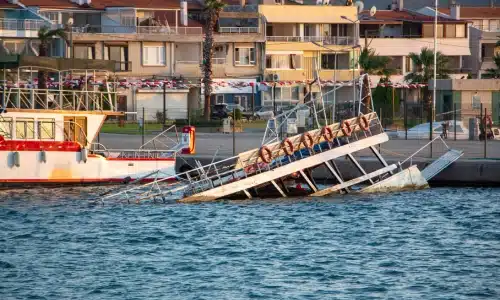 Specific collision patterns emerge across Lake Allatoona, reflecting recreational traffic density and waterway configurations near Acworth. Recognizing common scenarios assists in identifying responsible parties when evaluating Georgia boating accident claims. Accident circumstances directly influence applicable liability theories and evidence priorities.
Collisions and Recreational Watercraft Incidents
- Jet ski collisions. Personal watercraft operating at high speeds cause devastating impacts with swimmers, boats, and dock structures. Personal watercraft incidents generate severe propeller injuries and blunt force trauma.
- Boat-to-boat crashes. Vessels colliding during crossing maneuvers or in congested cove areas produce passenger ejections and hull breaches. Limited visibility around bends and islands contributes to collision frequency.
- Dock and marina hazards. Impacts with docks, boat lifts, and submerged structures cause injuries during docking and departure. Marina hazards include electrical shock from faulty wiring near water.
- Wake-related injuries. Large boat wakes throw passengers from smaller vessels or cause capsizing incidents. Operators failing to reduce speed in no-wake zones create liability exposure.
Multi-Vessel and High-Traffic Waterway Risks
Waterway traffic congestion intensifies during holiday weekends when hundreds of vessels share Lake Allatoona simultaneously. Multi-boat accidents create complex liability disputes when several operators contributed to dangerous conditions. An Acworth negligence lawyer identifies all parties whose actions caused foreseeable injuries.
Navigation rules violations, including failure to yield right-of-way, improper passing, and operating in restricted zones, generate accidents throughout the lake system. Rental boat operators unfamiliar with Lake Allatoona navigation patterns create additional risks. Understanding Georgia boating liability law requires examining all potentially responsible parties.
Injuries and Disruptions After a Boating Accident
Boating accident survivors across Acworth confront immediate obstacles affecting both physical recovery and long-term claim viability. Understanding these challenges assists those seeking an Acworth boat accident attorney. Early awareness enables strategic responses to protect compensation rights.
Delayed Symptoms and Medical Concerns
Collision forces and water submersion frequently cause injuries not immediately apparent to victims experiencing shock and adrenaline. Concussions, internal bleeding, and near-drowning complications may manifest hours or days after accidents occur. WellStar Kennestone Hospital and other Cobb County facilities handle serious Acworth boating injuries requiring emergency evaluation.
Drowning incidents that result in successful resuscitation generate delayed respiratory complications requiring ongoing monitoring. Propeller strike injuries demand immediate trauma intervention and frequently require reconstructive surgery. Nathan Kratzert helps clients document injuries properly, supporting compensation claims.
Work, Income, and Daily Life Interruptions
Employment absence creates immediate income gaps while permanent impairments reduce future earning capacity substantially. Physical limitations affecting routine activities extend beyond workplace consequences to family responsibilities and recreational abilities. Medical billing coordination between health insurance and boating liability coverage generates confusion.
Passenger injuries affect individuals who bore no responsibility for operating vessels, yet suffer consequences from operator negligence. Recovery periods spanning months generate substantial cumulative expenses beyond initial emergency care. Collection agencies pursue medical debts while claims remain unresolved.
Understanding Georgia Boating Accident Laws
Georgia establishes distinctive legal frameworks affecting boating accident claim procedures throughout Acworth and Cobb County. Both statutory deadlines and fault allocation principles shape available remedies for injured victims. Understanding these rules proves essential to preserving compensation rights against negligent boat operators.
Fault Rules That Affect Compensation
Georgia follows modified comparative negligence under O.C.G.A. § 51-12-33, barring recovery entirely when injured parties bear 50% or greater fault for accidents. Operator negligence, including speeding, distracted operation, and boating under the influence, establishes liability supporting victim claims. Defense attorneys argue that passengers contributed to the fault by failing to wear life jackets or sitting in unsafe positions.
Awards are reduced proportionally based on the assigned victim responsibility below the threshold. A passenger bearing 30% fault recovers only 70% of the calculated damages. Strategic evidence presentation counters fault-shifting arguments effectively.
Filing Deadlines and Legal Timing
Personal injury lawsuits require filing within TWO YEARS under the O.C.G.A. § 9-3-33. This deadline applies to boating accident claims filed in Cobb County and courts throughout Georgia. Missing this limitation permanently eliminates legal remedies against negligent operators.
Evidence preservation demands action much earlier than filing deadlines since boat repair, witness relocation, and memory deterioration occur rapidly. Georgia Department of Natural Resources accident reports require prompt requests. Professional guidance ensures deadline compliance, protecting the victim’s rights.
Insurance and Liability in Boat Accident Cases
Boating insurance structures create complexity when pursuing claims against operators and vessel owners. Understanding these dynamics assists victims working with a boat accident lawyer in Acworth. Anticipating coverage disputes enables effective responses protecting the victim’s interests.
Multiple Parties and Coverage Layers
Liability may involve boat operators, vessel owners, rental companies, marina operators, and equipment manufacturers in varying combinations. Each party maintains separate insurance policies with different coverage limits and exclusions. Cobb County boating accident claims require identifying all applicable coverage sources.
Lake Allatoona rental boat operations create particular complexity when renters cause accidents injuring third parties. Rental agreements attempt to limit company liability while insurance policies provide primary coverage. Nathan Kratzert examines these overlapping relationships, identifying available compensation sources.
Common Disputes and Delays
Insurers challenge fault allocation, injury severity, and coverage applicability, attempting to minimize or deny claims entirely. Recorded statements requested early in claims processes often contain information supporting insurer defenses. Delaying substantive discussions until injuries stabilize protects the victim’s interests.
Safety equipment failures, including defective life jackets and malfunctioning navigation lights, create product liability claims against manufacturers separately from operator negligence. Multiple insurers coordinating coverage generates delays, extending resolution timelines. A boating accident law firm in Acworth navigates these complex insurance dynamics.
Evidence That Strengthens or Weakens a Claim
Acworth boating accident claims depend on specific evidence proving operator negligence, and such evidence often deteriorates rapidly without proper preservation. Strategic evidence collection protects documentation supporting compensation demands. Victims need to understand the approaches taken by Lake Allatoona boat accident lawyers to protect their interests.
Documentation and Reporting Gaps
Georgia Department of Natural Resources accident reports document official investigations but may contain incomplete details about all contributing factors. Witness contact information requires immediate gathering since boaters depart lakes without leaving forwarding details. Marina incident reports capture initial accident descriptions before defensive revisions.
Open-water accidents present particular evidence challenges when no witnesses observed collision sequences. GPS data from boats and personal devices may establish vessel positions and speeds at critical moments. Comprehensive documentation protects claim foundations against defense challenges.
Time-Sensitive Evidence Collection
Photographs capturing vessel damage, injury severity, and waterway conditions preserve visual proof independently. Boat maintenance records revealing equipment deficiencies require formal preservation demands to prevent destruction. Medical records connecting injuries to specific boating incidents support causation arguments.
Treatment delays enable insurers to argue injuries resulted from unrelated causes rather than boating accidents. Gaps between incidents and medical evaluation create documentation weaknesses that defense teams exploit aggressively. Following physician recommendations supports claim credibility.
Compensation and Losses After a Boating Accident
Georgia recognizes comprehensive harm categories addressing boating accident consequences throughout victims’ recovery periods. Pursuing compensation through a boating injury attorney in Acworth ensures all recoverable damages receive proper calculation. Thorough assessment guarantees settlements address total harm from operator negligence.
Financial and Medical Costs
- Emergency medical treatment. Emergency room visits, trauma surgery, and hospitalization generate immediate substantial expenses. WellStar facilities address serious Acworth boating injuries requiring advanced intervention.
- Ongoing rehabilitation. Propeller injuries, spinal damage, and traumatic brain injuries require extended therapy spanning months. Treatment generates substantial cumulative expenses beyond initial care.
- Lost income. Employment absence creates immediate gaps, while permanent impairments reduce future earning capacity. Economists calculate lifetime wage losses supporting substantial claims.
- Future care projections. Lifetime treatment estimates calculate anticipated medical needs comprehensively. An Acworth personal injury lawyer ensures comprehensive calculations addressing every loss.
Long-Term Impact on Quality of Life
Physical pain, permanent scarring, and activity limitations represent genuine harm requiring compensation beyond economic losses. Boating accident victims facing chronic pain or disability deserve recognition for quality-of-life diminishment. Understanding the Acworth boat accident attorney process ensures complete recovery.
Documentation completeness, liability evidence strength, and available insurance limits fundamentally determine achievable results. Comparable injuries generate vastly different outcomes depending on proof quality and coverage resources. Strategic case development helps pursue compensation based on the circumstances of the case.
Acworth Boat Accident FAQ
Common inquiries reveal concerns shared among Acworth boating accident victims evaluating legal options. These responses provide foundational knowledge protecting victim interests.
How does Georgia’s 50 percent fault rule apply to boating accidents?
Georgia’s modified comparative fault system bars recovery when a victim is 50% or more responsible for a boating accident, while awards are reduced proportionally if fault remains below that threshold. Boating safety statistics managed by the United States Coast Guard track reported incidents and risk factors, providing context for how fault allocation can influence claim outcomes.
Careful documentation of navigation violations, intoxication, and other operator errors helps counter fault-shifting arguments, while professional guidance ensures fault disputes are navigated to protect compensation rights.
Who may be responsible in a multi-boat accident on Lake Allatoona?
Multi-vessel accidents may involve multiple operators, vessel owners, rental companies, and equipment manufacturers bearing varying degrees of responsibility. Each party owing duties of care faces potential liability when negligence causes foreseeable injuries. Comprehensive investigation identifies all defendants maximizing available compensation sources.
Rental boat companies bear responsibility when providing inadequately maintained vessels or failing to verify operator qualifications. Marina operators face liability when dock conditions or fueling operations contribute to accidents. Professional guidance identifies all potentially liable parties.
What is the deadline to file a boating accident claim in Georgia?
Georgia’s two-year statute of limitations requires filing boating accident lawsuits within twenty-four months from the accident date. Missing this deadline permanently eliminates legal remedies against negligent operators. Evidence preservation demands even earlier action.
Boat repairs, witness relocation, and memory deterioration occur rapidly after accidents. Prompt consultation ensures evidence protection while respecting filing deadlines. Early engagement proves particularly critical in complex boating cases.
Local Legal Representation in Acworth’s 30101 & 30102 Areas
Navigating the aftermath of a boating collision on Lake Allatoona or Lake Acworth requires an attorney who knows the local waterways, marina operations, and area court jurisdictions. At the CEO Lawyer Personal Injury Law Firm, our dedicated Acworth legal team provides aggressive representation to boating injury victims right here in our community, fittingly known as “The Lake City.”
We intimately understand the unique waterway hazards and high-risk recreational zones that frequently lead to serious vessel accidents throughout the Acworth area, including:
- Lake Allatoona main channel and open-water collisions. Handling high-speed vessel-on-vessel crashes, wake-related injuries, and boating under the influence (BUI) incidents across the 12,000-acre U.S. Army Corps of Engineers reservoir and its 270 miles of shoreline.
- Marina and dock incident zones. Resolving claims involving allision strikes against fixed structures, slip-and-fall injuries on gangways, and fueling-related explosions at facilities such as Glade Marina off Kings Camp Road, Holiday Harbor Marina near downtown Acworth, and Allatoona Landing Marina at I-75 Exit 283.
- Personal watercraft (PWC) and high-traffic recreation pockets. Pursuing cases involving jet ski collisions, wake-jumping crashes, and violations of Georgia’s 100-foot distance law in busy areas near Glade Marina, Little River, and the coves surrounding Red Top Mountain State Park.
- Lake Acworth and Cauble Park paddlecraft zones. Protecting kayakers, paddleboarders, anglers, and electric-motor boaters injured on the 260-acre Lake Acworth, where gas motors are prohibited, but congestion near the Beach Street ramp, swimming areas, and South Shore Park still causes preventable incidents.
Proudly Serving Our Neighboring Communities
Whether you were struck by a reckless operator near the Allatoona Pass area, injured at the Acworth Beach swim line in Cauble Park, or need a meeting close to your home in Emerson, Kennesaw, or Woodstock, our local office on GA-92 is strategically positioned to serve you.
We manage all communication with marine insurance carriers and adjusters for at-fault vessel owners, and secure your official incident reports from the Georgia DNR Law Enforcement Division game wardens, the Cobb County Sheriff’s Office Marine Unit, or the Cherokee County Sheriff’s Office (depending on which side of the lake the incident occurred).
We coordinate with your treating physicians at regional facilities like WellStar Kennestone so you can focus entirely on healing.
Schedule a Free Consultation With an Acworth Boating Accident Law Firm
If you were injured in a boating accident in Acworth, our initial consultations provide clear guidance on your legal options with no financial obligation. Understanding the strength and potential value of your claim helps injured boaters make informed decisions and plan the best path forward.
The CEO Lawyer Personal Injury Law Firm offers free, confidential consultations for boating accident victims across Acworth. Our attorneys evaluate case viability, explain Georgia’s two-year statute of limitations, and outline realistic recovery expectations. Early action preserves crucial evidence and safeguards your legal rights.
Contact us online or call the CEO Lawyer Personal Injury Law Firm at (470) 828-4288 to schedule your appointment and free consultation today.