

 Quick Summary: Acworth Commercial Truck Accident Claims
- Truck accidents often involve multiple parties and complex insurance structures
- Collisions may occur on highways or local roads with heavy freight traffic
- Georgia follows a 50 percent fault rule affecting claim eligibility
- Evidence such as driver logs and vehicle data can impact outcomes
Need immediate help? Contact us at (470) 828-4288.
Acworth’s position along the I-75 corridor places local drivers alongside constant freight traffic moving between Atlanta and Chattanooga. Tractor-trailer accidents occur frequently as large commercial vehicles transition between highways, local roads, and delivery routes near residential areas and Lake Allatoona access points. These collisions often result in severe injuries, especially when smaller passenger vehicles are involved, where an Acworth Commercial Truck Accident Lawyer can assist with complex claims.
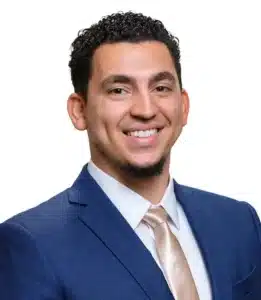
Nathan Kratzert, licensed to practice in Georgia, represents victims of commercial truck accidents throughout Acworth and Cobb County. Our team examines federal trucking regulations, driver conduct, and company safety practices while preserving critical evidence early in the case.
By addressing Georgia’s modified comparative fault rules and complex liability issues, we help clients pursue compensation while focusing on recovery.
How the Acworth Commercial Truck Accident Attorneys Help Clients
The CEO Lawyer Personal Injury Law Firm delivers determined representation addressing commercial truck accident claims throughout Acworth and Northwest Georgia highways. Nathan Kratzert, licensed in Georgia, guides clients through trucking claims with familiarity with Cobb County courts and federal carrier regulations. This framework assists crash victims pursuing fair compensation through the Acworth Commercial Truck Accident Lawyer approach.
Trucking-Centered Investigation
Initial evaluations examine accident circumstances, identifying liable carriers, drivers, and maintenance providers immediately across Acworth. Attorneys issue spoliation letters demanding preservation of electronic data, driver logs, and fleet records before destruction. Rapid response counters the trucking company’s investigation advantages.
Understanding Georgia’s 50% comparative fault threshold and federal trucking regulations enables strategic positioning countering carrier defense theories. Systematic evidence gathering while respecting filing deadlines preserves recovery entitlements. The Acworth approach ensures procedural compliance, protecting victim interests.
Carrier Accountability Litigation
When settlement offers prove inadequate, attorneys prepare cases for trial against trucking companies and their insurers before the Cobb County Superior Court. Compelling presentation strategies translate federal regulation violations into terms that juries understand clearly. Thorough preparation can strengthen the presentation of liability and damages evidence.*
Litigators understand Cobb County courtroom dynamics and jury evaluation patterns for commercial truck accident evidence. They counter comparative fault defenses while presenting catastrophic injury evidence persuasively. Trial readiness generates improved settlement offers, protecting victims’ futures.
Commercial Truck Accidents Near Acworth and Northwest Georgia
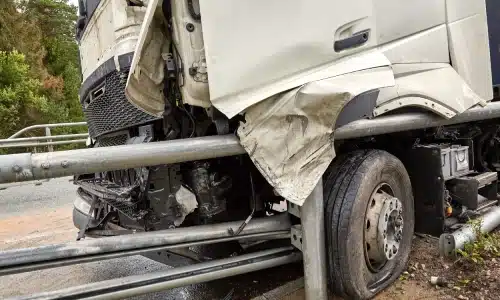 Distinct collision patterns emerge across Acworth, reflecting the community’s position along major freight corridors serving Northwest Georgia. Recognizing common scenarios assists in the identification of responsible parties when evaluating Georgia truck accident claims. Accident circumstances directly influence applicable liability theories and evidence priorities.
Highway Collisions, Multi-Vehicle Crashes, and Delivery Incidents
- 18-wheeler collisions. I-75 through Acworth concentrates northbound and southbound freight traffic, creating collision risks at highway exits and merging zones. Lane-change accidents occur when commercial vehicles fail to detect adjacent passenger cars.
- Multi-vehicle collisions. Chain-reaction crashes involving multiple vehicles occur when trucks cannot stop safely in congested traffic conditions. Highway traffic risks intensify during peak commuter periods along the I-75 corridor.
- Freight truck incidents. Delivery vehicles serving Acworth retail centers and commercial zones generate local road accidents during turning maneuvers. Backing incidents in shopping center parking areas create pedestrian hazards.
- Commercial vehicle crashes. Tanker trucks, flatbeds, and box trucks traveling routes near Lake Allatoona create collision scenarios distinct from standard tractor-trailer accidents. An Acworth car accident lawyer also addresses collisions where commercial vehicles interact with passenger traffic.
When Drivers, Carriers, and Third Parties Are All Involved
Trucking company responsibility extends beyond driver negligence to include negligent hiring, inadequate training, and failure to enforce safety protocols. Georgia trucking accident liability analysis examines carrier policies and supervision practices. Nathan Kratzert investigates these relationships, identifying all accountable parties.
Cargo loading companies, maintenance providers, and equipment manufacturers may bear separate liability when their failures contribute to crashes. Broker arrangements connecting shippers with carriers create additional responsibility layers. Comprehensive investigation identifies every potentially liable defendant.
Problems Acworth Truck Accident Victims Face After a Crash
Truck crash survivors across Acworth confront immediate obstacles affecting both physical recovery and long-term claim viability. Understanding these challenges assists those seeking an Acworth truck accident attorney. Early awareness enables strategic responses to protect compensation rights.
Worsening Injuries, Job Loss, and Medical Billing Confusion
Impact forces involving large commercial trucks frequently cause internal injuries not immediately apparent to victims experiencing shock and adrenaline. Spinal damage, traumatic brain injuries, and internal bleeding may manifest days after collisions occur. WellStar Kennestone Hospital and Cobb County trauma facilities handle severe Acworth trucking injuries.
Employment absence creates immediate income gaps while permanent impairments eliminate careers for many truck crash survivors. Medical billing coordination between health insurance, auto coverage, and trucking liability policies generates substantial confusion. Collection agencies pursue medical debts while claims remain unresolved.
Insurance Pressure and Unclear Liability From Multiple Parties
Trucking company representatives contact crash victims seeking recorded statements about accident circumstances while injuries remain undiagnosed. Their conversational approach masks strategic information gathering supporting claim denials. Quick settlement proposals arrive before injury severity becomes apparent.
Driver fatigue violations and other regulatory breaches create liability exposure that carriers actively conceal through rapid evidence retrieval operations. Multiple defendants generate finger-pointing, creating confusion about which party bears primary responsibility. Nathan Kratzert helps clients navigate these complex dynamics.
Georgia Truck Accident Laws and Filing Deadlines
Georgia establishes distinctive legal frameworks affecting commercial truck accident claim procedures throughout Acworth and Cobb County. Both statutory deadlines and fault allocation principles shape available remedies for injured victims. Understanding these rules proves essential to preserving compensation rights against corporate trucking defendants.
Georgia’s 50% Fault Bar and How It Affects Recovery
Georgia follows modified comparative negligence under O.C.G.A. § 51-12-33, barring recovery entirely when injured parties bear 50% or greater fault for accidents causing injuries. Defense teams argue victims contributed through improper lane positioning or failure maintaining safe following distance. Awards are reduced proportionally based on assigned responsibility below the threshold.
Hours of service rules violations, maintenance failures, and driver qualification deficiencies establish carrier negligence supporting victim claims. A victim bearing 30% fault recovers only 70% of the calculated damages. Strategic evidence presentation counters fault-shifting arguments effectively.
Why Acting Early Protects Your Options in Georgia
Personal injury lawsuits require filing within TWO YEARS under O.C.G.A. § 9-3-33. This deadline applies to truck accident claims filed in Cobb County and courts throughout Georgia. Missing this limitation permanently eliminates legal remedies against negligent carriers.
Evidence preservation demands action much earlier than filing deadlines since trucking companies may destroy records after federal retention periods expire. Electronic logging device data, driver qualification files, and maintenance records require formal spoliation letters demanding retention. Prompt consultation ensures evidence protection.
Who Is Liable in an Acworth Commercial Truck Accident?
Multiple parties frequently bear responsibility when commercial truck accidents injure Acworth residents along local highways and roadways. Understanding liability allocation assists victims working with a commercial truck accident lawyer in Acworth. Anticipating defendant strategies enables effective responses protecting the victim’s interests.
Trucking Company, Driver, and Third-Party Responsibility
- Motor carrier liability. Trucking companies face vicarious liability for driver actions performed within the scope of employment under vicarious liability principles. Negligent hiring and retention practices create independent grounds for carrier accountability.
- Individual driver negligence. Truck operators bear personal liability when speeding, distraction, or impairment causes collisions with other vehicles. Cargo loading issues may involve responsibility for a separate loading company.
- Maintenance provider failures. Repair facilities performing inadequate service bear responsibility when brake failures or tire blowouts cause crashes. Equipment defects trace to maintenance negligence through service records.
- Broker and shipper liability. Freight brokers may bear responsibility for selecting unqualified carriers. Cobb County truck accident claims require examining all contractual relationships throughout the shipping chain.
How Insurers Investigate and Dispute Truck Accident Claims
Trucking company investigators arrive at accident scenes while victims remain hospitalized, photographing damage and gathering witness statements supporting corporate defense narratives. These rapid response teams secure favorable evidence before victims mount countermeasures. A truck accident law firm in Acworth counters these early investigation advantages.
Coverage disputes arise when carriers argue policy exclusions apply or challenge whether accidents triggered coverage obligations. Independent contractor arrangements create complexity when trucking companies deny employer liability. Comprehensive investigation identifies all applicable insurance sources.
Critical Evidence in Acworth Truck Accident Cases
Acworth truck accident claims depend on specific evidence types proving carrier negligence that deteriorate rapidly without formal preservation demands. Accident reconstruction requires physical evidence frequently unavailable after scene clearance. Strategic collection protects documentation supporting compensation demands.
Driver Logs, Electronic Data, and Fleet Records
Black box data from electronic control modules captures vehicle speed, braking patterns, and engine performance, requiring rapid preservation before automatic overwriting occurs. Electronic logging devices document hours-of-service compliance or violations supporting negligence claims. Dispatch communications reveal delivery pressure contributing to driver fatigue.
Federal regulations require carriers to maintain driver qualification files, inspection records, and maintenance logs that defense teams may destroy without formal demands. Drug and alcohol testing results document impairment at the time of an accident. Nathan Kratzert issues preservation demands immediately protecting critical evidence.
Missing Witnesses and Incomplete Crash Documentation
Witnesses disperse quickly from accident scenes, requiring immediate contact information gathering while memories remain fresh. Police accident reports document officer observations but may contain incomplete details about commercial vehicle involvement. Skid marks, debris patterns, and road damage provide reconstruction evidence unavailable after cleanup.
Surveillance footage from nearby businesses may capture accident sequences when preserved before automatic deletion. Photographs capturing vehicle damage, injury severity, and scene circumstances preserve visual proof independently. Comprehensive documentation protects claim foundations against defense challenges.
Damages Evaluated in Georgia Truck Accident Cases
Georgia recognizes comprehensive harm categories addressing commercial truck accident consequences throughout victims’ recovery periods and lifetimes. Pursuing compensation through an Acworth truck accident attorney ensures all recoverable damages receive proper calculation. Thorough assessment helps identify damages that may be recoverable under Georgia law.*
Medical Costs, Lost Income, and Long-Term Disability
- Emergency trauma care. Emergency surgery, ICU hospitalization, and trauma center treatment generate immediate, substantial expenses. WellStar Kennestone Hospital handles catastrophic Acworth trucking injuries.
- Long-term rehabilitation. Spinal injuries, traumatic brain damage, and multiple fractures require extended intensive therapy spanning months. Treatment generates substantial cumulative expenses beyond initial care.
- Lost income and diminished capacity. Catastrophic injuries often eliminate the ability to return to previous employment permanently. Economists calculate decades of wage losses supporting substantial claims.
- Future care projections. Lifetime care needs require actuarial calculations ensuring adequate compensation. An Acworth personal injury lawyer ensures comprehensive calculations addressing every loss.
Why Truck Accident Outcomes Vary Widely
Physical pain, permanent disability, and career destruction represent genuine harm requiring compensation beyond economic losses. Truck crash victims facing wheelchair dependence or chronic pain deserve recognition for quality-of-life elimination. Understanding the truck accident attorney serving Acworth ensures complete recovery.
Documentation completeness, liability evidence strength, and available policy limits fundamentally determine achievable results. Comparable injuries generate vastly different outcomes depending on carrier insurance resources and proof quality. Strategic case development maximizes compensation within individual circumstances.
Acworth Commercial Truck Accident FAQ
Common inquiries reveal concerns shared among Acworth truck crash survivors evaluating legal options. These responses provide foundational knowledge protecting victim interests.
How does Georgia’s 50% fault rule apply to truck claims?
Georgia’s modified comparative fault system bars recovery when an injured party is 50% or more responsible for a truck accident, with awards reduced proportionally below that threshold. Large truck crash statistics managed by the Federal Motor Carrier Safety Administration track commercial vehicle incidents and contributing factors, providing context for how fault allocation can influence claim outcomes.
Strategic evidence presentation demonstrates carrier negligence caused preventable collisions despite the victim’s contributions. Documentation of federal regulation violations counters fault-shifting arguments effectively. Professional guidance navigates fault disputes, protecting compensation rights.
Who may be responsible in an Acworth truck accident?
Commercial trucking operations frequently involve multiple responsible parties, including motor carriers, vehicle owners, cargo loaders, and maintenance providers. Each entity owing duties of care faces potential liability when negligence causes foreseeable injuries. Comprehensive investigation identifies all defendants maximizing available compensation sources.
Independent contractor arrangements do not necessarily shield motor carriers from liability for driver negligence under federal vicarious liability principles. An Acworth semi-truck accident lawyer identifies all potentially liable parties throughout distribution chains. Legal guidance can help identify potentially responsible parties and available insurance sources.
What is the deadline to file a truck accident claim in Georgia?
Georgia’s two-year statute of limitations requires filing commercial truck accident lawsuits within twenty-four months from the accident date. Missing this deadline permanently eliminates legal remedies against negligent carriers. Evidence preservation demands much earlier action since carriers may destroy records after federal retention periods expire.
Electronic logging device data, driver qualification files, and maintenance records require formal preservation demands to prevent destruction. Prompt consultation ensures evidence protection while respecting filing deadlines. Early engagement proves particularly critical in complex trucking cases.
Local Legal Representation in Acworth’s 30101 & 30102 Areas
A commercial truck collision in North Cobb or southern Cherokee County is not a routine fender-bender; federal trucking regulations, multiple corporate defendants, and catastrophic injuries are almost always in play.
At the CEO Lawyer Personal Injury Law Firm, our Acworth-based legal team takes on motor carriers, brokers, and their insurers on behalf of injured neighbors throughout our community.
We know exactly where 80,000-pound rigs cause the most damage around Acworth, and we build cases accordingly:
- I-75 freight corridor and Express Lanes merge zones. Jackknifes, underride crashes, and rear-end pileups are common where heavy trucks fight for position near Exit 277 (GA-92) and Exit 278 (Allatoona Gateway/Glade Road) before the Peach Pass Lanes begin.
- State Route 92 commercial strip. Distribution-bound box trucks and delivery semis routinely cause T-bone wrecks and left-turn collisions along Lake Acworth Drive and Cowan Road between US-41 and I-575.
- Cobb Parkway (U.S. 41) and Mars Hill Road. Tight turning radiuses and aging traffic signals make this stretch a hotspot for sideswipes, blind-spot crashes, and overturned trailers servicing the area’s big-box retailers.
- Bells Ferry Road and lake-area haul routes. Construction haulers, dump trucks, and fuel tankers serving the Lake Allatoona communities, as well as ongoing GDOT bridge work, generate frequent run-off-the-road and load-shift incidents.
Proudly Serving Our Neighboring Communities
Hit by a tractor-trailer on your morning drive past North Cobb High School? Sideswiped by a delivery truck near downtown Acworth? Whether you live in Emerson, Kennesaw, or Woodstock, our office on GA-92 sits minutes from the corridor where your wreck likely happened.
We act fast to preserve the truck’s black-box data and driver logs before they disappear, deal directly with the trucking company’s aggressive defense team, secure crash reports from the Acworth Police Department, Cobb County Sheriff’s Office, or Georgia State Patrol, and coordinate your treatment with trauma specialists at WellStar Kennestone so your only job is recovery.
Schedule a Free Consultation With an Acworth Commercial Truck Accident Law Firm
Truck accidents often involve powerful carriers, multiple liable parties, and high-stakes insurance claims. An initial consultation helps clarify your legal options without financial obligation, evaluate claim strength against commercial defendants, and identify strategies tailored to the specifics of your collision.
The CEO Lawyer Personal Injury Law Firm offers free, confidential consultations for truck accident victims throughout Acworth. Our attorneys assess liability, explain Georgia’s two-year filing deadline, and address critical evidence such as driver logs, maintenance records, and black box data. Acting quickly helps preserve key documentation and strengthens your position against trucking companies and insurers.
Contact us online or call the CEO Lawyer Personal Injury Law Firm at (470) 828-4288 to schedule your free consultation today.