



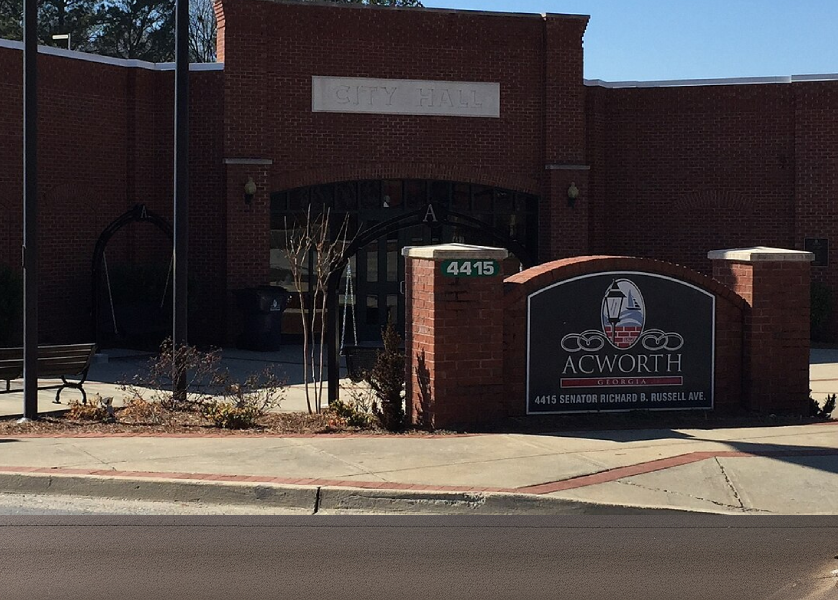
 Performing your job in Acworth comes with associated risks. Whether you are in construction or working in an office, there is always a chance that you may get hurt while on the job.
Fortunately, you will likely be able to file a workers’ compensation claim and receive a payout for your injuries, regardless of how or why they happened, under most circumstances.
Even when there are no known hazards in your role, your employers must make reasonable efforts to ensure your safety. Employers are bound by law to purchase a Workers’ compensation insurance policy to assist employees in the event of an accident or work-related injury.
The CEO Lawyer Personal Injury Law Firm is here to help you. Don’t miss out on the compensation you are entitled to under the terms of your employer’s policy.
Give us a call to schedule a free case review. You may reach us at (470) 828-4288 or by contacting us online.
Acworth Workers’ Compensation Attorney: Differences Between Workers’ Comp and Personal Injury
Workers’ compensation claims are different from personal injury claims. Although workers’ comp plans come with substantial benefits for the employee, it doesn’t mean that understanding the benefits you are entitled to is clear and simple.
The State Board of Workers’ Compensation in Georgia defines workers’ compensation as an insurance program paid by your employer that provides medical, rehabilitation, and financial compensation if you are injured while on the job. In addition, if you pass away while performing your job, your dependents are eligible for benefits from the policy.
The end results of a personal injury claim and a workers’ compensation claim are the same: you are hurt and experienced damages that you are able to reclaim. In the process, you must undergo the stages of a claim and may face challenges similar to those in a personal injury claim.
The difference between the two comes down to fault: in a personal injury claim, someone did or failed to do something that caused an injury and damages. In a Workers’ compensation claim, the fault is irrelevant.
Choosing to work with an experienced workers’ compensation attorney will help ensure you receive the compensation you deserve and smooth any bumps along the way.
Why Do I Need an Acworth Workers’ Compensation Lawyer?

As a result, they are statistically able to secure the most compensation possible for your case on a more frequent basis.
Even if you cannot sue your employer, it does not mean that you do not need an attorney. Your attorney will provide services like the following.
A Thorough Case Review
Analyzing your case is essential to learn what additional compensation you may be entitled to. Your workers’ compensation attorney will help you collect all your medical diagnoses and bills, calculate any future medical expenses and costs, and apply them to your claim.
Identifying Any Third Parties for a Possible Lawsuit
Unlike personal injury claims, workers’ compensation claims tend to involve significantly less procedure compared to filing a lawsuit. However, since you cannot sue your employer, you might be able to sue third parties not protected by your employer’s workers’ compensation insurance policy.
These third parties may possibly be:
- Contractors
- Manufacturers
- Product designers
- Safety managers
Seeking compensation from all parties responsible for your injuries is essential to increase your compensation amount. An professional workers’ compensation attorney will help you determine who was responsible for your injuries and pursue them in a separate liability claim.
Ensuring There Are No Missed Deadlines
By law, you have no more than 30 days to file a workers’ compensation claim. Filing a claim later than that may minimize your compensation or prevent you from collecting compensation whatsoever.
If you choose to work with an professional workers’ compensation lawyer, like the CEO Lawyer Personal Injury Law Firm, you can trust that they know when to submit your claim and meet all deadlines.
Providing Representation
Like many insurance companies, do not be surprised if your employer’s insurance provider offers to pay a low-ball settlement, assuming they offer anything at all.
The statistics of the US Office of Workers’ Compensation Program show that in 2023, almost $500 billion was awarded to cover medical bills and compensation in claims in Georgia. However, this amount does not reflect the substantial increase in denials of claims.
Insurance companies, including workers’ compensation carriers, are notorious for offering low payouts when they know your claim is worth significantly more. They may hire ruthless attorneys and insurance adjusters who review and attempt to find grounds to deny or reduce your compensation.
Having the right lawyer to fight on your behalf is critical to securing the most compensation for your case. The CEO Lawyer Personal Injury Law Firm will work towards representing you to fight for the compensation your case deserves and your rights.
A Barrier Against Employer Retaliation
One would expect sympathy and compassion from their employer when the unthinkable happens. But there are situations where the opposite occurs.
Losing an employee or coping with the situation of an injury may lead to a change in the employer’s behavior.
Although it does not make it right, emotions are high in many parties during a work-related injury, and it has happened where an employer takes it out on their workers, including the person who was hurt. Negative behaviors like this are referred to as retaliation.
You may face retaliation from an employer through:
- Receiving threats and harassment
- Sudden write-ups and tracking of performance
- Salary reduction or denial of back wages or bonuses
- Negative employment references
- Demotion or termination
If you are facing retaliation from your employer, document every single instance and call your lawyer. Your workers’ compensation attorney will add the documented instances to your file and submit it as part of your claim.
In addition, they will serve to protect your employment while all parties are processing your claim.
When to Report an Accident on the Job
Accidents happen fast. You must immediately report your injuries to your boss, foreman, or supervisor and seek immediate medical attention.
In addition, while there are legal protections for workers’ compensation, victims must work quickly to report injuries to ensure the smoothness of their claims. All injury claims must be made within 30 days of the incident.
Waiting past the 30-day timeframe may compromise your ability to recover all the compensation associated with the accident.
Confirm You Qualify for Workers’ Compensation
A workers’ compensation policy is a legal requirement for any employer with three or more employees. It is designed to protect you if you were hurt while performing your duties and provide compensation if you are temporarily or permanently unable to return to work. You are protected by your employer’s workers’ compensation policy from your initial hire date.
There are three conditions that must be met to receive workers’ compensation:
- The injury happened while you were doing your everyday duties
- You were “on the clock” or acting on behalf of an employer party when the injury happened
- You were not acting in any way that would make you ineligible to receive workers’ compensation
Worker’s Compensation Ineligibility
You will be ineligible to seek workers’ compensation benefits if you were:
- Intoxicated while working
- Failed to disclose a pre-existing medical condition
- Committing a crime
- Engaged in horseplay or workplace altercations
Filing a Workers’ Compensation Claim
Filing a claim in Acworth starts with reporting your injury to your supervisor or boss. From there, you should seek medical attention immediately, receive any diagnosis, and call a workers’ compensation lawyer to schedule your initial consultation and help prepare your claim.
Insurance companies prefer things to settle quickly and to their advantage, but when you hire a quality workers’ compensation lawyer to represent you, you will have access to the many years of experience and resources they offer.
When you are ready to begin filing a claim, you may submit a Form WC-14 to the State Board of Workers’ Compensation and a copy to your employer. Documents are sent to your employer’s workers’ compensation insurance provider, to which they will begin their internal process.
Form WC-14 may be found online or by calling 1-800-533-0682.
The Claims Process
An insurance company has 21 days to investigate your claim and file a report with the State Board of Workers’ Compensation. The insurance provider may dispatch an adjuster to review your claim and ask any questions, which your attorney will be well-prepared to answer.
One thing to remember is that these adjusters are not your friends, and their goal is to find any hole or weakness in your claim.
Notification of any benefits approved by the insurance is sent to the claimant after those initial 21 days. If there is a disagreement over the approved benefits, your attorney will proceed to request a hearing and potential mediation to renegotiate the amount.
Going Back to Work
Victims of workers’ compensation claims must adhere to any therapy and medical treatments ordered by their physician or the State Board of Workers’ Compensation to maintain eligibility for benefits.
The goal is to help you return to how you were before the accident, if possible, or at least able to go back to work. If your physician orders a return to work, you must return to the workforce to keep receiving benefits.
Some victims will need to seek alternative job duties or switch to new industries to meet this order. Workers’ compensation can help pay for the costs of skills training as well as for temporary reductions in earnings during the transition.
Hire an Acworth Workers’ Compensation Law Firm After Your Injury
Seeking payment from your employer’s workers’ compensation policy is not always as simple as one would think. Your employer has a duty to ensure that you are safe performing your job and to help you receive compensation and medical assistance through a workers’ compensation insurance policy if something happens.
Even if your employer means well, there is a possibility that your claim won’t receive the compensation it deserves due to the insurance policy provider. Working with an professional team who knows workers’ compensation is key to ensuring you receive the benefits to which your claim is entitled.
Ready to see how we can help? Schedule your initial consultation with the CEO Lawyer Personal Injury Law firm in Acworth today.
We will gladly complete a case review where we can go over the claims process and explain how we are often able to secure more benefits for our clients. Call (470) 828-4288 or contact us online to schedule a free case evaluation today.