

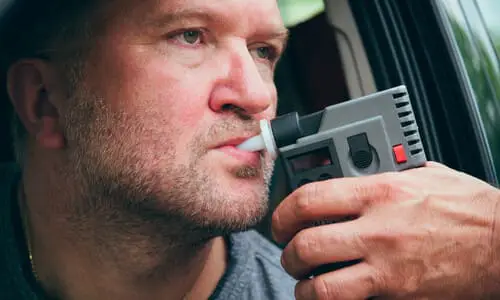
 Just under one-quarter (24 percent) of Georgia’s traffic fatalities involved an impaired driver in 2019. That amounts to 353 traffic fatalities in which at least one of the drivers had a blood alcohol level (BAC) of .08 or higher.
While Georgia participates in campaigns like “Drive Sober or Get Pulled Over” and has a relatively low rate of drunk driving compared to many other states, intoxicated drivers remain a threat to others on the road.
How Can a Kennesaw Drunk Driving Attorney Help When A Drunk Driver Injures You?
Sometimes, people think it will be easy to get their claim paid if the driver who hit them was drunk. It should be clear that the other driver was at fault, right? Unfortunately, that’s not necessarily true.
There are several things to understand about this situation:
- The insurance company will always try to avoid paying a claim, whether the driver was drunk or not. If they can’t get out of paying, they will try to shrink their exposure.
- Georgia uses modified comparative negligence statutes for personal injury cases like car accidents, which means that both parties can be partially at fault. The fact that the other driver was drunk certainly doesn’t look good for them, but it doesn’t prove you are completely blameless. The insurance company could claim that their client made mistakes that contributed to the accident, but so did you. For instance, they might say you were speeding and could have stopped in time to avoid the accident if you’d been driving slower.
- Sometimes, the insurance company might even claim you were more at fault than the intoxicated driver! It may sound ridiculous, but negligence laws are clear: The negligence has to be the cause of your injuries in order for you to collect damages. It doesn’t matter how drunk the other driver was – if you were primarily responsible for the accident, their insurance company doesn’t have to pay. Specifically, a driver who is at least 50 percent at fault is not able to collect damages. If the insurance company can make the case that you were at least half responsible for the accident, they can justify refusing to pay your claim.
- In some situations where there is overwhelming evidence that the intoxicated driver was solely at fault, the insurance adjuster may use another approach to save money: They make you an offer. But there’s a catch – the first offer is usually a lowball one that doesn’t begin to cover all your damages. If you accept, you sign paperwork that releases the insurance company from any further obligation, even if you have more expenses related to your injuries later. Never sign anything from the insurance company until you speak with a Kennesaw injury lawyer.
- Insufficient insurance coverage can also be a problem in these cases. Someone who has had a DUI before may find it very expensive to secure insurance coverage, so they might not have any. (This is illegal in Georgia, but so is driving under the influence. Unfortunately, both situations may happen anyway.) Or, they might have the minimum insurance required, which only covers $25,000 in bodily injury liability per person. If your injuries are severe, this may not begin to cover all your damages, even if the insurance pays to the policy limit.
Your drunk driving lawyer can help you with all these issues. We will immediately begin investigating your case, collecting evidence to show that the other driver was completely or mostly at fault and that you had little or nothing to do with causing the crash.
This will allow you to collect the largest settlement possible.
Additionally, we’ll review any offer you receive from the insurance company and discuss what it does and doesn’t cover with you.
In many cases, injured people don’t realize how much their claim is actually worth. They may have additional medical bills in the future, or they might not have considered damages like lost income or pain and suffering.
If the insurance company’s offer is not sufficient, we will negotiate with the insurance carrier for a reasonable settlement. Most of the time, we can make a deal for a fair amount without going to trial.
However, in some cases, the insurance company is not willing to commit to a reasonable offer. When this happens, we are always ready to pursue your case in court. If your injuries were severe or the accident caused the death of a loved one, a jury may even award you additional punitive damages of up to $250,000.
What if There Is No or Insufficient Insurance Coverage?
The first question we’re going to ask is if you have uninsured/underinsured motorist coverage (UM/UI) on your own car insurance policy. This is often your most effective solution in drunk driving accidents where the intoxicated driver is uninsured or underinsured.
UM/UI policies usually start at the state minimum, so if you have UM/UI, you should at least be able to recover $25,000 for your injuries and another $25,000 in property damage to your car. However, you can buy a larger policy, which is helpful if you have a high amount of damages and the intoxicated driver has no or minimum insurance.
Depending on the type of policy you have, your UM/UI coverage might kick in additional coverage after the at-fault driver’s policy pays to the limit. A “stacked” policy will give you an extra $25,000 (or whatever your policy limit is) in addition to the other insurance coverage.
What if You Don’t Have UM/UI Coverage or It Doesn’t Cover All Your Damages?
Don’t assume the situation is hopeless until you talk to a car accident lawyer in Kennesaw. While UM/UI coverage is often the only way to recover damages, we will search for other options to help you. In some cases, we may be able to do the following:
- Sue the drunk driver. Pursuing compensation directly from the responsible party is always an option, and in most situations, you will have a very good chance of winning. However, you may not be able to collect. Frequently, uninsured drivers have few assets we can seize, so there may be no practical way to collect on a judgment. The situation is even worse if the drunk driver goes to prison, where they won’t earn any significant income. We won’t advise a client to go through the time and stress of a lawsuit if they can’t recover their damages in the end, but if the driver does have sufficient assets, it may still be a good option.
- Sue a third party. In some cases, we may be able to pursue compensation from a bar or other establishment that served alcohol to the intoxicated driver before their accident. “Dram Shop” liability is only an option if the business served someone who was either underage or visibly intoxicated already. We will also need to find evidence that the person who served the intoxicated driver knew they were underage or intoxicated and that they were likely to drive soon.
How Can You Avoid Drunk Drivers?
While there is no way to completely eliminate the threat, there are some steps you can take to reduce the risk of being hit by a drunk driver:
- If possible, avoid driving at night or on the weekend. Aside from the general problem of lower visibility at nighttime, many alcohol-related crashes occur after dark, and about 60 percent occur on weekends.
- Plan holiday trips to avoid traffic. Holidays inspire more traffic overall, and that alone raises accident rates, but intoxicated driving incidents also increase on and around holidays. If you’re going out of town, consider taking off a day early and/or staying a day later so you can avoid most of the traffic, including drunk drivers. New Year’s Day is the most dangerous holiday, with a 117 percent higher risk of DUI fatalities, so it may be better to book a room if you plan to ring in the new year away from home.
- Move to the right side of your lane if you can do so safely. Ideally, you want to widen the space between your vehicle and oncoming traffic since intoxicated drivers often swerve or cross the center line. If there’s a right lane, staying there for most of your trip is usually better.
- Use extra caution on rural highways and roads. Country roads can be scenic, but they might also be challenging to drive with difficult curves and turns. These are hard enough for a sober driver but may be especially dangerous for an intoxicated one.
- If your friends or family have too much to drink, help ensure they don’t drive. Offer to give them a ride, call a taxi, or order a rideshare so they can get home safely.
How to Get Help From a Kennesaw Drunk Driving Law Firm
If a drunk driver injured you or a loved one, a drunk driving attorney can help you recover the damages you deserve to help with your recovery. Please contact the CEO Lawyer Personal Injury Law Firm for a free consultation about your case.
Founder and lead attorney Ali Awad established the CEO Lawyer Personal Injury Law Firm only a few short years ago and quickly turned it into one of the fastest-growing law firms in the country. With the help of his hardworking team, he has recovered millions of dollars for injured people and their families.
In his spare time, he creates entertaining yet educational posts about legal issues for more than a million followers on social media. Work with the CEO Lawyer and his team of professionals by calling (470) 323-8779 today.