
Quick Summary: Marietta Nursing Home Abuse Lawyer
- Nursing home incidents may involve neglect, supervision failures, or unsafe conditions
- Injuries can occur due to falls, medication issues, or inadequate care
- Georgia law limits recovery if a person is 50% or more at fault
- Liability may involve facility operators, staff, or third-party providers
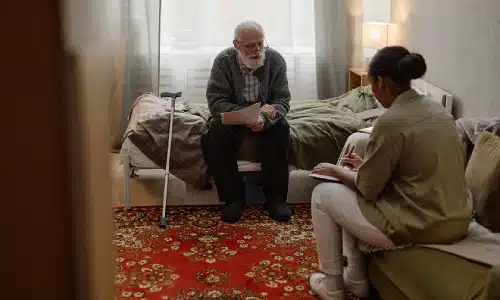 Marietta families trust nursing homes and assisted living facilities throughout Cobb County to provide safe, dignified care, but nursing home supervision failures near Cobb Parkway and I-75 corridors leave elderly residents with preventable injuries that families often discover too late, where a Marietta nursing home abuse lawyer helps families pursue accountability when facilities betray the profound trust placed in their care.
The CEO Lawyer Personal Injury Law Firm, led by Ali Jamal Awad, licensed to practice in Georgia, represents nursing home abuse victims throughout Marietta and Cobb County. Georgia elder care regulations establish clear standards facilities must follow, and early legal review can help identify and preserve important records and staff documentation, particularly when insurers are evaluating or defending claims involving the facility.
Your loved one deserves dignity and safe care. We help families work to have their concerns documented and heard, depending on the facts of each case.
How the Marietta Nursing Home Abuse Attorneys Help Clients
Recognizing signs of nursing home abuse or neglect in a loved one is alarming, and knowing how to hold a facility accountable while protecting the resident from further harm adds another layer of difficulty for Marietta families.
Ali Jamal Awad, licensed in Georgia and familiar with healthcare regulatory requirements and local court procedures, handles these cases with the care and thoroughness they demand. A Marietta nursing home abuse lawyer can help families pursue accountability and compensation where supported by the facts and law.
Nursing Home Abuse and Neglect Situations in Marietta
Distinct abuse and neglect patterns emerge across Marietta’s long-term care facilities, reflecting staffing deficiencies and systemic failures. Recognizing common scenarios assists in the identification of liable parties when evaluating Marietta elder neglect claims. Incident circumstances directly influence applicable liability theories.
Supervision Failures, Medication Errors, and Hygiene Issues
- Medication errors. Wrong medications, incorrect dosages, and missed doses create serious health complications for vulnerable residents. Staffing shortages prevent proper medication administration schedules.
- Elder neglect. Residents left in soiled clothing, deprived of adequate nutrition, or isolated from social interaction suffer profound harm. Care plan failures contribute to deteriorating resident conditions.
- Hygiene deficiencies. Residents denied regular bathing, oral care, and grooming suffer dignity violations and infection risks. Inadequate staffing prevents meeting basic hygiene standards.
- Resident safety issues. Wandering residents, unsecured exits, and inadequate safety monitoring create preventable accident risks. A nursing home neglect lawyer in Marietta addresses systematic safety failures.
Falls, Mobility Injuries, and Third-Party Provider Involvement
Fall incidents in care facilities occur when staff fail to provide adequate transfer assistance or mobility supervision. A Marietta negligence lawyer identifies all parties whose failures contributed to preventable fall injuries. Bed rail injuries and wheelchair accidents indicate supervision deficiencies.
Third-party providers, including medical equipment suppliers, physical therapy contractors, and pharmacy services, may bear separate liability when their failures cause resident injuries. Transportation services and visiting healthcare providers create additional liability exposure. Ali Jamal Awad investigates these relationships to identify all potentially available sources of compensation, where supported by the facts and law.
How Families Discover Nursing Home Abuse in Marietta
Families across Marietta confront difficult obstacles in recognizing abuse and gathering evidence after discovering warning signs. Understanding these challenges assists those seeking a Marietta nursing home abuse attorney. Early awareness enables strategic responses protecting resident interests.
Delayed Recognition, Information Barriers, and Care Coordination
Residents with dementia or cognitive impairments cannot reliably communicate abuse or neglect to family members during visits. Physical signs, including unexplained bruises, sudden weight loss, or declining hygiene, signal potential problems requiring investigation. WellStar Kennestone Hospital and Cobb County medical facilities evaluate suspected nursing home injuries.
Reporting abuse to facility management often triggers defensive responses rather than genuine investigation and correction. Facilities restrict family access to records, claiming privacy regulations. Care coordination failures between shifts and departments compound resident harm.
Communication Challenges With Staff and Management
Facility administrators become defensive when families inquire about incident details or request documentation. Staff members may provide inconsistent accounts when questioned about resident conditions. High employee turnover prevents families from developing relationships with consistent caregivers.
Resident rights include family access to care information that facilities sometimes improperly restrict. Insurance adjusters contact families seeking information before a full evaluation occurs. Ali Jamal Awad helps families navigate these communication barriers, protecting their loved ones’ interests.
Georgia Nursing Home Abuse Laws and Filing Deadlines
Georgia establishes distinctive legal frameworks governing nursing home abuse claim procedures throughout Marietta and Cobb County. Both statutory deadlines and fault allocation principles shape available remedies. Understanding Georgia nursing home abuse attorney approaches proves essential for protecting family compensation rights.
Statute of Limitations and Georgia’s 50% Fault Bar
In Georgia, individuals generally have a two-year window to file personal injury claims under O.C.G.A. § 9-3-33. The state’s modified comparative negligence rule prevents any recovery when the injured person is deemed 50% or more responsible. In many cases, elderly residents with cognitive decline are not viewed as having the capacity to meaningfully contribute to the cause of their injuries.
Defense lawyers often argue that residents share fault by claiming they failed to follow care instructions or ignored safety measures. If any responsibility is assigned below the 50% cutoff, compensation may be reduced accordingly. Strong, well-documented evidence can help push back against these efforts to unfairly shift blame onto vulnerable individuals.
How Shared Responsibility Affects Abuse and Neglect Claims
Elder care violations documented under Georgia’s Bill of Rights for Residents of Long-Term Care Facilities, O.C.G.A. § 31-8-100, establish strong facility negligence evidence supporting family claims, with multiple defendants including facility owners, management companies, and individual staff sharing proportional responsibility.
Georgia courts recognize that cognitively impaired residents cannot protect themselves, placing accountability squarely on licensed facilities rather than vulnerable residents or their families. Long-term care facility standards establish baseline care requirements that facilities cannot avoid through resident waivers or family agreements. Prior regulatory citations reveal systemic negligence patterns. Professional guidance navigates these fault allocation dynamics effectively.
Who Is Liable for Nursing Home Abuse in Georgia?
Multiple parties frequently bear responsibility when nursing home negligence injures Marietta residents. Understanding these liability structures assists families working with an elder abuse lawyer in Marietta. Anticipating defendant strategies enables effective responses protecting family interests.
Facility Operators, Insurers, and Third-Party Care Providers
- Facility ownership. Corporate nursing home chains and individual facility owners bear primary responsibility for maintaining adequate care standards. Ownership structures may involve multiple entities requiring a comprehensive investigation.
- Management companies. Companies contracted to operate facilities share liability when their policies create dangerous conditions. A nursing home injury lawyer in Georgia identifies all corporate defendants.
- Individual staff accountability. Caregivers who abuse residents or fail to provide adequate care face personal liability for resulting injuries. Background check failures, enabling unfit employees, create additional facility accountability.
- Third-party provider failures. Pharmacy services, medical equipment suppliers, and contracted healthcare workers bear separate liability when their negligence harms residents. Comprehensive investigation identifies all potential defendants.
Coverage Limitations and Facility Practice Investigations
Nursing home liability policies contain exclusions and limits that may prove inadequate for serious resident injuries. Coverage disputes arise when carriers challenge whether specific incidents trigger policy obligations. Arbitration clauses in admission agreements may restrict court access.
Assisted living abuse lawyers in Marietta investigations reveal systemic problems, including prior incidents, regulatory citations, and pattern violations. State licensing records document facility compliance histories. Ali Jamal Awad’s familiarity with Cobb County court procedures benefits families throughout these proceedings.
Evidence That Matters Most in Marietta Nursing Home Cases
Marietta nursing home abuse claims depend on specific evidence proving facility negligence that deteriorates rapidly without preservation demands. Strategic evidence collection protects documentation supporting compensation. Understanding the long-term care negligence lawyer in Marietta approaches helps families protect their loved ones’ interests.
Facility Records, Incident Documentation, and Medical History
Resident medical records document injury occurrence, treatment provided, and condition progression, establishing abuse patterns. Care plan documentation reveals whether facilities implemented appropriate supervision and treatment protocols. Staffing schedules and assignment logs establish whether adequate personnel attended to resident needs.
Incident reports may understate injury severity or omit critical circumstances requiring independent investigation. Prior regulatory citations and CMS inspection reports establish facility negligence patterns. Timely legal action may help preserve critical evidence.
Limited Witness Access and Treatment Gaps That Hurt Claims
Staff members witnessing abuse may fear employer retaliation, affecting cooperation with family investigations. Residents with dementia cannot provide reliable testimony about complex incident circumstances. Family members visiting irregularly may miss critical observation opportunities.
Surveillance footage capturing incidents may exist, but facilities resist disclosure without formal preservation demands. Employee turnover eliminates witness availability as staff members leave positions. Ali Jamal Awad issues preservation demands preventing evidence destruction while coordinating documentation efforts.
Losses Evaluated in Georgia Nursing Home Abuse Cases
Georgia recognizes comprehensive harm categories addressing nursing home abuse consequences throughout residents’ remaining lifetimes. Working with a Marietta nursing home abuse attorney can help families identify and document the categories of damages that may be recoverable in their case. Thorough assessment is intended to document the full scope of harm alleged from facility negligence for use in settlement discussions.
Medical Costs, Ongoing Care, and Emotional Impact
- Emergency medical treatment. Emergency hospitalization, surgical intervention, and acute care generate immediate substantial expenses. WellStar facilities address serious Marietta nursing home injuries.
- Ongoing rehabilitation. Fractures, pressure ulcer treatment, and physical therapy require extended care spanning weeks or months. Cumulative expenses frequently exceed initial emergency costs.
- Alternative care placement. Transfer to higher-quality facilities may necessitate increased care costs. Families must often relocate loved ones for their safety.
- Emotional distress. Abuse victims suffer profound psychological trauma requiring therapeutic intervention. A Marietta personal injury lawyer can review the losses a family has documented and evaluate which categories may be claimed under Georgia law.
Caregiver Burden, Missed Work, and Long-Term Considerations
Family members missing work to address resident crises, attend medical appointments, and coordinate alternative care experience income losses. The emotional toll on family caregivers represents genuine harm beyond direct resident injuries. Understanding how a Marietta nursing home abuse lawyer approaches these claims can help families make informed decisions about their options; outcomes depend on the facts and law of each case.
Liability evidence strength, documentation completeness, and available policy limits fundamentally determine achievable results. Jury sympathy for abused elderly residents creates settlement pressure on negligent facilities. Strategic case development is aimed at pursuing fair compensation based on the specific facts and circumstances of each case.
How the CEO Lawyer Personal Injury Attorneys Help Marietta Clients
Recognizing signs of nursing home abuse or neglect in a loved one is alarming, and knowing how to hold a facility accountable while protecting the resident from further harm adds another layer of difficulty for Marietta families.
Ali Jamal Awad, licensed in Georgia and familiar with healthcare regulatory requirements and local court procedures, handles these cases with the care and thoroughness they demand. A Marietta nursing home abuse lawyer can help families pursue accountability and compensation supported by the facts and law.
Elder Care-Focused Investigation
Medical records, staffing logs, and surveillance footage are secured through formal preservation demands before facilities have any opportunity to manage documentation in their own favor. Individual staff members and corporate operators are both examined to identify every level of responsibility contributing to the resident’s harm across Marietta facilities.
Georgia licensing records and federal CMS inspection reports frequently reveal a history of cited violations that place the incident within a broader pattern of inadequate care. A CEO Lawyer attorney can use that regulatory history alongside Georgia’s 50% comparative fault threshold to address facility defense theories in Cobb County Superior Court proceedings.
Facility Accountability Litigation
When a facility’s insurer resists offering compensation that reflects the severity of what a resident endured, an attorney may present care failures and regulatory violations before a Cobb County jury in terms that convey both the facts and the human cost of institutional negligence.
Cobb County juries may hold elder care facilities to a meaningful standard when the evidence clearly demonstrates a pattern of disregard for resident welfare, and that accountability can lead to legal remedies for Marietta families, depending on the facts of each case.
Marietta Nursing Home Abuse FAQ
Common inquiries reveal concerns shared among Marietta families evaluating legal options following nursing home abuse. These responses provide foundational knowledge for protecting family interests.
Who may be responsible for nursing home neglect or abuse?
Liability for nursing home neglect or abuse can extend to facility owners, operators, staff members, and third-party vendors, depending on the circumstances. Nursing home data maintained by the Centers for Medicare & Medicaid Services tracks inspections, violations, and reported incidents, providing context for how neglect and abuse are identified and addressed.
Corporate chains and management companies may be accountable when systemic policies or staffing deficiencies create unsafe conditions, while equipment suppliers and contracted healthcare providers may share responsibility. A thorough investigation helps identify all potentially liable parties and available sources of recovery.
Can insurance companies deny claims involving care facilities?
Facility liability insurers routinely challenge claims, arguing injuries resulted from resident conditions rather than negligence. Coverage disputes arise when carriers argue policy exclusions apply to specific incident types. Some facilities carry inadequate coverage, requiring the pursuit of additional defendants.
Arbitration agreements in admission contracts may limit legal options, requiring careful review. Strategic claim presentation addresses coverage challenges effectively. Professional guidance navigates these insurance disputes, protecting family compensation rights.
What is the deadline to file a nursing home abuse claim in Georgia?
Georgia generally applies a two-year statute of limitations to personal injury claims. The date a claim begins to run depends on the circumstances, and claims involving professional negligence by licensed providers may be governed by different rules, including a statute of repose.
Missing this deadline may result in losing the ability to pursue legal remedies against negligent facilities, so it is important to understand how these time limits apply to your situation. Evidence preservation demands much earlier action as records disappear and staff members leave employment.
Wrongful death claims involving deceased residents may involve different limitation periods requiring prompt evaluation. Prompt consultation supports evidence preservation efforts while filing deadlines remain open. Early engagement can be important in addressing concerns about how facilities handle and preserve evidence.
Legal Options for Marietta Families After Nursing Home Abuse
Instances of neglect or abuse in nursing homes, such as medication errors, falls, or mistreatment, often benefit from timely legal evaluation. Speaking with a nursing home abuse attorney early can help families understand their legal options, assess the strength of a potential claim, and consider strategies for pursuing facility accountability. Attorney’s fees are only charged if there is a recovery, but court costs and case expenses may be charged separately, depending on the fee agreement.
The CEO Lawyer Personal Injury Law Firm represents families throughout Marietta in nursing home abuse and neglect matters. We assess case viability, explain Georgia’s filing deadlines, and can discuss steps to preserve critical evidence, including medical records, incident reports, and staff documentation. Taking timely steps can help protect your loved one’s rights and support any potential claim against the nursing home.