

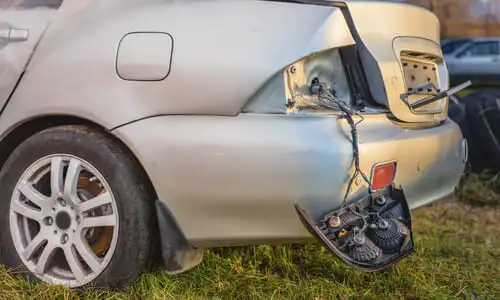
 About 30 miles from downtown Atlanta, Snellville is home to history, parks, and the Snellville Days Festival. But you might not be feeling festive if a negligent driver hits your vehicle, leaving you with painful injuries, expensive medical bills, and a damaged car.
When you’ve been hurt in a car accident, you need the at-fault driver’s insurance company to pay your damages, but it’s not always as simple as filing a claim. How can you get the compensation you need after your car accident?
Contact a Snellville Car Accident Attorney Today
If you’ve suffered a car collision, you need someone looking out for your interests. The at-fault driver and their auto insurance company will be concerned with their own finances, and that could leave you on the hook for bills and other accident-related expenses.
But a car accident attorney works for you and will fight for your right to compensation for your damages. If the insurance company tries to blame you for the car crash, undervalues your damages, or finds another reason to pay less than you deserve, we’ll work to achieve a reasonable settlement.
You shouldn’t be forced to absorb the costs the insurance company doesn’t want to pay, and we’ll keep negotiating until we achieve a fair valuation for your claim. If you or a loved one have been hurt in a car accident, please contact the CEO Lawyer Personal Injury Law Firm for a free consultation.
At the CEO Lawyer, our experienced team of personal injury lawyers in Snellville will review the details of your accident, address your questions and concerns, and explain the options for pursuing compensation. You have no obligation, but if you want to move forward with our help, you won’t pay anything until we win or settle your case.
How Much Is a Car Accident Claim Worth?
When people ask this question, they usually want to know how much their claim is worth, which is understandable. The value of a car accident claim is highly variable, depending on a number of factors. Because of this variability, it’s hard for the average person to know what their claim should be worth, and the insurance company may take advantage of that, offering too little compensation.
A reliable way to receive an accurate valuation of your claim is to speak with an attorney about the particulars of your case. We can determine what amount you should receive and compare it to any offer the insurance company extends.
If there is a significant disparity between the numbers, we’ll negotiate for a more equitable deal.
Here are some of the variables we will consider when valuing your claim:How Severe Was the Accident?
Your claim’s value is based on the combined value of your injury damages and property damages. In general, the more severe your injuries are, the more your claim will be worth.
For instance, if you have a few minor injuries that heal quickly, you are entitled to recover your medical costs, lost income if you had to miss work, and a reasonable amount of money for pain and suffering. But if your injuries were more extensive, requiring weeks of hospitalization and months of physical therapy, or if you suffered a permanent disability as a result, you’ll have higher medical bills and more lost income.
Additionally, you may need ongoing medical care, assistance with tasks you can no longer do at home, mobility aids, etc. You will also likely deserve a more substantial sum for your pain and suffering, which will be considerable and may include loss of quality of life if you experience a severe disability or disfigurement.
Finally, if you are disabled to the point of being unable to work, you can request damages for your lost earning potential.
How Challenging Is It to Prove Fault?
Disputes about fault can also affect the amount of your final settlement.
Georgia uses modified comparative negligence statutes that allow parties to an accident (usually the drivers) to share fault. Although it is possible for one driver to be wholly responsible, there are many cases where both motorists had lapses in judgment that contributed to the crash.
If both drivers have some fault, who is responsible for the damages? Georgia uses the “50 percent bar to recovery” rule, meaning you can collect damages from the other party if you are less than 50 percent at fault.
Any percentage of fault attributed to you is deducted from your final award. A motorist who is 20 percent at fault, for example, would lose 20 percent of their damages but could still collect 80 percent from the other driver.
The stumbling block for many people is that the insurance company (or companies if you both make claims) will decide this percentage of fault. It’s not unusual for the adjuster to magnify the injured party’s contributions while downplaying the more responsible party’s actions.
In some situations, adjusters may assign some fault to an injured person who didn’t do anything wrong. If this happens, you could lose a significant portion of your settlement.
Worse, it’s difficult for the average person to gauge their own level of culpability. You might not think you had any fault, or you may feel that the insurance adjuster was generous in their estimate, or maybe you believe the estimate is probably fair, and you don’t give it another thought.
In some of these situations, you could be correct. But in others, the insurance company may have deducted thousands of dollars unnecessarily.
The most effective way to find out is to contact a car accident lawyer as soon as possible after your collision. We’ll investigate the accident, gather as much evidence as possible, and fairly evaluate how much fault, if any, you have.
If the insurance company’s estimate deviates widely from this number, we’ll negotiate with them for a more realistic appraisal.
What if You Know the Accident Wasn’t Your Fault, but You Can’t Prove It?
Our clients often express concern about proving fault. You may not know how to prove the other driver caused the crash, but it’s possible your attorney’s investigative team can locate additional evidence you haven’t considered.
For instance, in some cases, we may locate a video of the accident from a nearby doorbell or security camera. Alternatively, we might learn more from analyzing accident scene photos or electronic data recorder (EDR) data.
Additionally, it helps to remember that you don’t have to prove the other driver was 100 percent at fault, only more than 50 percent, in order to collect damages. Many people believe they can’t recover anything because they recall making a mistake at the time of the collision.
Sometimes, however, we learn that their mistake only affected the accident in a minor way, and the other driver was still primarily at fault.
There are a few cases where the injured person insists the other driver was responsible, but even after exhaustive efforts, we simply can’t find the evidence to prove it. In these situations, we usually look for other options to recover compensation.
If you have Medical Payments (MedPay) and Collision policies on your auto insurance, for example, you might be able to recover your damages from your insurance company. MedPay provides payments for medical bills related to a car accident, no matter who is at fault, and Collision does the same for car repairs.
What Happens if You Are Hit by a Car as a Pedestrian or Bicyclist?
These accidents tend to be very serious for someone who isn’t in a car (also called a vulnerable road user). The vehicle’s occupants are unlikely to be injured in this type of accident because they have seatbelts, airbags, and a sturdy metal car frame to protect them; by contrast, the walker or biker has little protection (besides a helmet in the biker’s case).
As a result, the vulnerable road user may sustain severe injuries that require immediate treatment. It can be challenging to give the police a cohesive explanation about what happened when you’re in pain or unconscious, so the driver’s version of events may be assigned more weight.
The car driver might be under the impression that they had the right of way, that you ran out in front of them, etc.
Sometimes, the EDR data, tire marks, or other evidence at the scene indicate the driver was speeding or otherwise driving negligently. This works in your favor, but the insurance company could still claim you were also negligent due to ignoring traffic lights, stepping in front of the vehicle, etc.
These situations can be frustrating if you know you were traveling safely and didn’t disobey any traffic laws, but arguing with the insurance company is not a good solution. In fact, it can make things worse if the adjuster interprets something you say to mean you are at fault.
Given these issues, the recommended step following a bicycle or pedestrian accident is to speak with an attorney as soon as possible, preferably before you give the insurance company a statement. We’ll work to learn how the accident occurred and fight for your right to compensation.
What Are the Options if the Other Driver Is Uninsured or Underinsured?
We often meet clients who want to sue an uninsured motorist. That is an option, but in many situations, we advise against a lawsuit because it may not serve the client’s interests.
Lawsuits can be time-consuming and taxing, and in some cases, the uninsured motorist has no assets we can pursue if we win a judgment.
However, we will explore other options for pursuing compensation. In rare cases, we can sue a third party who contributed to the collision, but this is not an option in most accidents.
If you have uninsured/underinsured motorist coverage (UM/UI) on your insurance policy, this is often the most dependable way to recover damages from an uninsured or underinsured driver.
Unfortunately, because UM/UI isn’t required in Georgia, some motorists don’t have it. We understand that people may turn down this coverage due to a tight budget, but if there is any way you can afford it, UM/UI can be invaluable after certain accidents.
In some cases, there is no other path to recovery for people injured by an uninsured or underinsured motorist (however, you should always check with an attorney who can examine all the options in your particular situation).
If the other driver has insurance but not enough to cover all your damages, which is common in more severe collisions, we may be able to collect up to the policy limit from both the at-fault driver’s insurance and the injured party’s insurance.
What if an Uninsured or Underinsured Driver Strikes a Vulnerable Road User?
Many clients are surprised to learn that they can actually use their UM/UI policies even for accidents that don’t involve their own vehicles. If you don’t have UM/UI, we’ll consider whether a lawsuit against the driver or a third party is a viable option.
How Can You Get Assistance From a Snellville Car Accident Law Firm?
Dealing with your injuries is hard enough, you don’t need to argue with an insurance adjuster or lose money due to an undervalued claim. Please contact the CEO Lawyer Personal Injury Law Firm for a free consultation about your car accident. We’ll review the accident report, clarify any information that isn’t clear, and investigate further if necessary. If there is a way to recover some or all of your damages, we’ll find it. You have no obligation, but if we do take your case, you don’t need to worry about upfront fees, we won’t charge you anything until we win or settle your case.
He and his experienced legal team have recovered millions of dollars in compensation for injured people and their families. When he’s not hard at work on a case, you can find Mr. Awad on social media, posting no-nonsense legal advice for more than a million followers.
Work with Attorney Awad and his professional team when you call (470) 323-8779.