


 Quick Summary: Atlanta Premises Liability Claims
- Property owners may have responsibilities to maintain reasonably safe conditions.
- Injuries can result from hazards like wet floors or unsafe walkways.
- Georgia follows a 50 percent fault rule affecting claim eligibility.
- Evidence such as incident reports and photos can impact outcomes.
Need immediate help? Contact us at (404) 777-8800.
From Buckhead’s upscale shopping destinations to downtown office buildings near Centennial Olympic Park, Atlanta property owners bear a legal obligation to maintain safe premises for the millions of visitors they invite daily. Slip and fall accidents and other hazardous conditions cause preventable injuries across commercial districts, residential complexes, and entertainment venues where negligent owners prioritize convenience over safety. An Atlanta premises liability lawyer helps injured victims understand their rights when these unsafe conditions lead to harm.
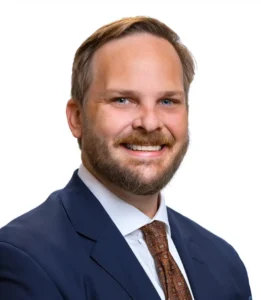
The CEO Lawyer Personal Injury Law Firm, led by Jason Slate, licensed to practice in Georgia, represents premises liability victims throughout Atlanta and Fulton County. Georgia’s 50% fault threshold gives property owners and insurers a powerful tool to argue visitor contribution, and our legal team builds cases that counter these arguments by establishing owner knowledge of dangerous conditions and failure to take corrective action before injuries occur.
Taking on a negligent property owner is easier when you have someone who knows exactly where to look and how to fight.
How the Atlanta Premises Liability Attorneys Help Clients
Property owners in Atlanta have a legal responsibility to maintain safe conditions for visitors, and when they fail to meet that obligation, injured people deserve real accountability. The CEO Lawyer Personal Injury Law Firm represents injured visitors throughout Atlanta and Fulton County in premises liability claims against negligent property owners and their insurers.
Jason Slate brings direct familiarity with local courts and Georgia premises liability law to guide clients through every stage of the process. Our Atlanta premises liability lawyer works to establish what the property owner knew, when they knew it, and why they failed to act.
Property Hazard Investigation
Surveillance footage, incident reports, and maintenance records are secured through preservation demands as soon as our attorneys get involved, before property owners have the opportunity to alter or remove documentation. Every potentially liable party, including tenants and property management companies, is identified early to capture the full scope of responsibility.
Georgia’s 50% comparative fault threshold gives property owners room to argue that the visitor contributed to their own injury, and our attorneys address that defense from the outset by building an evidence record that clearly places responsibility where it belongs. All Fulton County procedural requirements and filing deadlines are carefully observed throughout.
Property Owner Accountability
When a property owner’s insurer puts forward an offer that does not reflect the seriousness of the injury, our attorneys prepare to present the case before Fulton County Superior Court. The owner’s knowledge of the hazard and failure to take corrective action are laid out in a straightforward manner that Atlanta juries can follow and evaluate.
Premises liability cases grounded in thorough documentation and genuine trial readiness tend to produce more reasonable engagement from property owners and their insurers, leading to outcomes that better serve the injured visitors we represent.
What Properties and Hazards Cause Injuries in Atlanta?
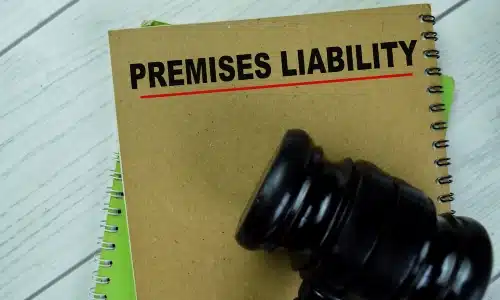 Specific hazard patterns emerge across Atlanta properties reflecting common maintenance failures and safety oversights. Recognizing these scenarios assists in identifying responsible parties when evaluating Georgia premises liability claims. Property type and hazard nature directly influence applicable liability theories.
Slip and Falls, Negligent Security, and Unsafe Structures
- Wet floors and hazards. Grocery stores, restaurants, and retail locations generate slip hazards from spills, cleaning, and weather tracking. Failure to post warning signs or address conditions promptly creates liability.
- Inadequate security. Apartment complexes, parking structures, and entertainment venues failing to provide reasonable security measures face liability when foreseeable crimes injure visitors. Broken locks, insufficient lighting, and absent security personnel contribute to assaults and robberies.
- Building code violations. Structural deficiencies, including unstable handrails, deteriorating stairs, and defective elevators, cause serious injuries. Code violations documented by inspectors establish negligence supporting claims.
- Poor lighting conditions. Dimly lit stairwells, parking areas, and walkways conceal trip hazards and enable criminal activity. Property owners bear responsibility for adequate illumination in common areas.
Retail Locations, Apartment Complexes, and Public Spaces
Atlanta retail centers, including Lenox Square, Phipps Plaza, and Atlantic Station, generate significant foot traffic where unsafe property conditions injure shoppers regularly. A slip and fall lawyer in Atlanta addresses these incidents occurring throughout the Buckhead and Midtown commercial districts. Understanding premises claims helps identify all potentially liable parties.
Tenant safety issues at apartment complexes throughout DeKalb and Fulton counties generate liability claims against landlords and property management companies. Hotels near Hartsfield-Jackson Airport and convention facilities face premises claims from traveling guests. Public vs private property distinctions affect liability standards applicable to different locations.
Who Is Legally Responsible After an Atlanta Property Injury?
Multiple parties may be responsible for injuries to Atlanta visitors caused by hazardous conditions, depending on ownership structures and contractual arrangements. Understanding liability allocation assists those seeking a premises liability lawyer in Atlanta. Georgia law imposes duties on property owners, tenants, and third parties maintaining premises.
Property Owners, Tenants, and Third-Party Liability in Georgia
- Property owner responsibility. Landowners bear primary responsibility for maintaining safe conditions and warning visitors of known hazards. Failure to address dangerous conditions creates liability when foreseeable injuries occur.
- Commercial tenants. Businesses leasing retail or office space assume responsibility for areas under their control. Lease agreements often allocate maintenance duties, creating shared liability.
- Property management companies. Third parties contracted to maintain premises face liability when negligent management causes injuries. Maintenance failures by management companies create independent grounds for claims.
- Security contractors. Companies providing security services bear responsibility when inadequate protection enables foreseeable crimes. An Atlanta negligence lawyer identifies all responsible parties.
How Shared Responsibility Complicates Atlanta Injury Claims
Multiple defendants create complexity when owners, tenants, and contractors share overlapping responsibilities for premises safety. Each party argues others bear greater fault, attempting to minimize individual exposure. Comprehensive investigation identifies contribution percentages supporting claims against all responsible parties.
Insurance coverage varies among defendants, creating settlement dynamics requiring careful coordination. Primary liability policies provide initial coverage while excess policies extend protection. Understanding negligent property conditions in Georgia requires examining all defendants’ insurance resources.
Georgia Premises Liability Laws Every Injured Person Should Know
Georgia establishes distinctive legal frameworks affecting premises liability claim procedures throughout Atlanta. Both statutory deadlines and fault allocation principles shape available remedies for injured visitors. Understanding these rules proves essential to preserving compensation rights.
Filing Deadlines and Georgia’s 50% Modified Fault Bar
Personal injury lawsuits require filing within TWO YEARS under O.C.G.A. § 9-3-33. This deadline applies to premises liability claims filed in Fulton County, DeKalb County, and courts throughout Georgia. Missing this limitation permanently eliminates legal remedies against negligent property owners.
Georgia follows modified comparative negligence, barring recovery entirely when injured parties bear 50% or greater fault for accidents. This threshold creates aggressive defense strategies, arguing that visitors ignored hazard warnings or contributed through inattention. Jason Slate helps clients navigate these fault allocation disputes effectively.
How Fault Percentage Directly Reduces What You Can Recover
Awards are reduced proportionally under O.C.G.A. § 51-12-33 (Georgia Apportionment of Damages) based on assigned victim responsibility percentages, with a visitor bearing 30% fault recovering only 70% of calculated damages. Defense attorneys argue that visitors contributed by ignoring obvious hazards or failing to exercise reasonable care, attempting to inflate fault allocations significantly.
Strategic evidence presentation demonstrates that property owner negligence created dangerous conditions despite the victim’s contributions. Documentation of inadequate warnings, prior incidents, and maintenance failures counters comparative fault arguments. Premises inspections revealing code violations strengthen liability claims substantially.
How Atlanta Property Owners and Insurers Fight Back
Property owners and their insurers employ predictable strategies challenging premises liability claims regardless of the strength of the hazard evidence. Understanding these tactics assists victims working with an Atlanta premises liability attorney. Anticipating resistance enables effective responses to protect the victim’s interests.
Responsibility Denials, Coverage Conflicts, and Low Offers
Insurers routinely deny property owners’ knowledge of hazardous conditions, arguing that defects arose without opportunity for correction. Coverage disputes arise when carriers challenge whether policies apply to specific incident circumstances. Quick settlement proposals arrive before injury severity becomes apparent, offering inadequate amounts.
Defense investigators contact injured visitors seeking recorded statements containing potential admissions about comparative fault. Their sympathetic approach masks information gathering supporting claim denials. Statements made during vulnerable recovery periods become permanent records, undermining compensation demands.
Why Claims Involving Multiple Parties Take Longer to Resolve
Cases involving owners, tenants, and contractors require coordination among multiple insurance carriers, extending resolution timelines. Each defendant argues that others bear greater responsibility, creating finger-pointing delays. A property liability attorney in Atlanta manages these complex multi-party dynamics effectively.
Discovery demands directed at multiple defendants generate extensive document production and deposition schedules. Fulton County court congestion extends case timelines despite Georgia’s two-year filing deadline. Professional guidance navigates these procedural complexities, protecting client interests.
Documentation That Determines Atlanta Premises Liability Outcomes
Atlanta premises liability claims depend on specific evidence types proving owner negligence that deteriorate rapidly without proper preservation. Strategic evidence collection protects documentation supporting compensation demands. Fulton County premises claims require demonstrating the property owner’s knowledge and failure to address dangerous conditions.
Incident Reports, Surveillance Footage, and Witness Availability
Property incident reports document initial accident circumstances before defensive revisions alter descriptions. Surveillance footage capturing hazard conditions and accident sequences is frequently overwritten within days without preservation demands. Witness contact information requires immediate gathering since observers disperse quickly from accident scenes.
Photographs capturing hazard conditions, injury severity, and scene circumstances preserve visual proof independently. Prior incident reports involving similar hazards establish owner knowledge supporting negligence claims. Comprehensive documentation protects claim foundations against defense challenges.
How Delayed Reporting Weakens What Victims Can Prove
Treatment delays enable carriers to argue injuries resulted from unrelated causes rather than premises accidents. Gaps between incidents and medical evaluation create documentation weaknesses that defense teams exploit aggressively. Following physician recommendations supports claim credibility against systematic insurance challenges.
Medical records connecting injuries to specific premises incidents support causation arguments that carriers dispute. Consistent treatment documentation from emergency care through rehabilitation protects claim credibility. The Atlanta premises liability attorney’s approach ensures proper documentation throughout recovery.
Damages Considered in Georgia Premises Liability Cases
Georgia recognizes comprehensive harm categories addressing premises liability consequences throughout victims’ recovery periods. Pursuing compensation through a premises liability law firm in Atlanta ensures all recoverable damages receive proper calculation. A thorough assessment helps identify the full scope of damages that may be recoverable.
Medical Bills, Lost Wages, and Long-Term Care Needs
- Emergency medical treatment. Emergency room visits, diagnostic imaging, and hospitalization generate immediate substantial expenses. Grady Memorial Hospital and Emory University Hospital address serious Atlanta premises injuries.
- Ongoing rehabilitation. Fractures, head injuries, and spinal damage require extended physical therapy. Treatment spanning months generates substantial cumulative expenses.
- Lost income. Employment absence creates immediate gaps, while permanent impairments reduce future earning capacity. Economists calculate lifetime wage losses supporting damage claims.
- Future care projections. Lifetime treatment estimates calculate anticipated medical needs comprehensively. An Atlanta personal injury lawyer ensures comprehensive calculations addressing every loss.
Pain and Suffering and Why Property Cases Vary Widely
Physical pain, emotional distress, and activity limitations represent genuine harm requiring compensation beyond economic losses. Premises injury victims facing chronic pain or permanent disability deserve recognition for quality-of-life diminishment. Documentation of daily limitations supports non-economic damage claims.
Hazard obviousness, owner knowledge duration, and comparative fault percentages fundamentally determine achievable results. Comparable injuries generate vastly different outcomes depending on proof quality and insurance resources. Strategic case development helps pursue compensation supported by the facts and available evidence.
Atlanta Premises Liability FAQ
Common inquiries reveal concerns shared among Atlanta property injury victims evaluating legal options. These responses provide foundational knowledge protecting victim interests.
How does Georgia’s 50% fault rule affect your claim?
Georgia’s modified comparative fault system completely bars recovery when injured visitors bear 50% or greater responsibility for accidents. Awards are reduced proportionally based on assigned victim responsibility percentages below the threshold.
Defense teams argue victims contributed through inattention or ignoring warnings, attempting to push the fault to the 50% bar and eliminate recovery. The Centers for Disease Control and Prevention (CDC), which tracks and monitors fall injuries and their prevention nationwide, documents how falls frequently result from hazardous conditions beyond victim behavior, establishing those conditions clearly is what keeps fault percentages honest and recovery intact.
Who can be held responsible for unsafe property conditions?
Property owners, commercial tenants, property management companies, and security contractors may all bear responsibility depending on control over hazardous conditions. Lease agreements often allocate maintenance duties, creating shared liability among multiple parties. Comprehensive investigation identifies all defendants maximizing available compensation sources.
Georgia law imposes different duties based on visitor status as invitees, licensees, or trespassers. Business invitees receive the highest protection, requiring owners to discover and correct hazards. Professional guidance determines applicable duties and liable parties.
What is the deadline to file a premises liability claim in Georgia?
Georgia’s two-year statute of limitations requires filing premises liability lawsuits within twenty-four months from the accident date. Missing this deadline permanently eliminates legal remedies against negligent property owners. Evidence preservation demands even earlier action since surveillance footage and witness memories deteriorate rapidly.
Certain circumstances may toll or extend filing deadlines, including minor plaintiffs or defendant concealment. However, standard adult claims face strict two-year enforcement without flexibility. Prompt consultation ensures deadline compliance, protecting the victim’s rights under Georgia law.
Schedule a Free Consultation With an Atlanta Premises Liability Law Firm
Initial consultations provide clear guidance on your legal options after a premises injury in Atlanta, with no financial obligation. Understanding your claim’s potential allows injured visitors to make informed decisions and helps identify strategies tailored to your situation.
The CEO Lawyer Personal Injury Law Firm offers free, confidential consultations for premises liability victims throughout Atlanta. Our attorneys evaluate case viability, explain Georgia’s two-year filing deadline, and outline realistic recovery expectations. Acting quickly preserves critical evidence and protects your legal rights.
Contact us online or call the CEO Lawyer Personal Injury Law Firm at (404) 777-8800 to schedule your free consultation today.